Stroke warning signs are an emergency: call 911. Call 911 right away for sudden face drooping, arm or leg weakness or numbness, slurred or confusing speech, sudden trouble seeing, sudden dizziness or loss of balance, or a sudden severe headache, even if the symptoms go away. Note the time the symptoms started. Do not use our contact form for emergencies.
Understanding Stroke Recovery at Home
A stroke can change life in an instant. One moment, a person may be carrying out normal daily activities, and the next, they may be facing challenges with speaking, walking, swallowing, memory, balance, or performing simple tasks that were once routine.
For many families, the hospital stay is only the beginning of the recovery journey. Once a loved one returns home, new questions often arise. How long will recovery take? Will they regain their independence? What therapies are needed? How can family members provide support without becoming overwhelmed?
The reality is that stroke recovery at home is often a gradual process that requires patience, consistency, and professional guidance. While every stroke affects individuals differently, many people continue making meaningful improvements for months and even years after the initial event.
Home-based recovery allows stroke survivors to heal in a familiar environment while receiving personalized support through rehabilitation services, skilled nursing care, and family involvement.
Understanding what to expect can help reduce uncertainty and allow families to focus on creating the safest and most supportive environment possible.
Table of Contents
- Important Note for Families
- What Is Stroke Recovery?
- What Happens After a Stroke Patient Returns Home?
- Understanding the Stroke Recovery Timeline
- Common Physical Challenges After a Stroke
- Speech and Communication Problems After Stroke
- Emotional Changes During Recovery
- How Home Health Services Support Recovery
- The Family’s Role in Stroke Rehabilitation
- Frequently Asked Questions
- Medical Disclaimer
Important Note
Many families worry that recovery progress will stop once a loved one leaves the hospital. In reality, some of the most important improvements often happen during the weeks and months that follow. Early rehabilitation, consistent therapy, and a supportive home environment can play a significant role in helping stroke survivors regain function and confidence.
What Is Stroke Recovery?
Stroke recovery is the process through which the brain and body adapt following damage caused by a stroke. Depending on which area of the brain was affected, a person may experience challenges involving movement, speech, memory, balance, coordination, vision, swallowing, or cognitive function.
Recovery focuses on helping the individual regain as much independence and functionality as possible.
The brain has a remarkable ability known as neuroplasticity. This means the brain can sometimes reorganize itself by creating new neural pathways that help compensate for damaged areas.
Rehabilitation therapies are designed to encourage this process. Through repetition, practice, and targeted exercises, patients may improve abilities that were affected by the stroke.
While some individuals recover quickly, others may require long-term rehabilitation and ongoing support.
The recovery process often includes:
- Physical therapy
- Speech therapy
- Occupational therapy
- Skilled nursing care
- Medication management
- Lifestyle modifications
- Emotional support
Because recovery is highly individualized, comparing one person’s progress to another can create unnecessary frustration. Every stroke is unique, and every recovery journey follows its own path.
What Happens After a Stroke Patient Returns Home?
Returning home after a stroke is often an emotional milestone. Patients are usually relieved to leave the hospital, yet many also feel nervous about managing daily life outside a medical setting.
Family members may share these concerns. Questions about medications, mobility, therapy appointments, safety, and caregiving responsibilities can feel overwhelming at first.
This transition period is one reason why home health after stroke services are frequently recommended.
Professional home health providers help bridge the gap between hospital care and independent living.
After discharge, patients may need support with:
- Walking safely
- Preventing falls
- Managing medications
- Monitoring blood pressure
- Following therapy plans
- Performing daily activities
- Managing chronic health conditions
Many stroke survivors initially experience fatigue. Simple tasks such as getting dressed, walking across a room, or preparing a meal may require significantly more energy than before.
This can be frustrating for both patients and families. However, gradual progress is common as strength and endurance improve over time.
Services such as home health care after hospital discharge often help patients transition more safely from hospital care to home recovery.
Understanding the Stroke Recovery Timeline
One of the most common questions families ask is, “How long does stroke recovery take?”
Unfortunately, there is no single answer. Recovery timelines vary depending on factors such as:
- Severity of the stroke
- Area of the brain affected
- Age and overall health
- Speed of initial treatment
- Participation in rehabilitation
- Presence of other medical conditions
The First Few Weeks
The first weeks after a stroke are often the most intensive phase of recovery. Patients may experience rapid improvements as swelling decreases and rehabilitation begins.
This period frequently involves multiple healthcare professionals working together to support recovery.
The First Three to Six Months
Many patients continue making significant progress during the first several months. Therapy sessions often focus on rebuilding mobility, communication skills, strength, and independence.
Families may notice gradual improvements in walking, speech, coordination, and confidence.
Long-Term Recovery
Recovery does not necessarily stop after six months. Many stroke survivors continue improving for years through ongoing therapy, practice, and lifestyle changes.
Although some limitations may remain, rehabilitation can help patients maximize their abilities and improve quality of life.
Common Physical Challenges After a Stroke
Physical symptoms vary widely depending on the location and severity of the stroke.
Some survivors experience only mild weakness, while others face more significant mobility challenges.
Common physical difficulties include:
- Muscle weakness on one side of the body
- Difficulty walking
- Balance problems
- Poor coordination
- Muscle stiffness
- Reduced endurance
- Difficulty using an arm or hand
These challenges can affect daily tasks such as dressing, bathing, cooking, and moving safely around the home.
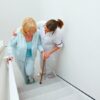
Fortunately, physical therapy stroke recovery programs are specifically designed to help patients improve movement, strength, balance, and coordination.
Therapists often create personalized exercise programs that focus on helping patients regain practical abilities needed for everyday life.
Many patients also benefit from in-home physical therapy, which allows rehabilitation exercises to be performed in a familiar environment.
Speech and Communication Problems After a Stroke
Not all stroke survivors experience speech difficulties, but communication challenges are common when specific areas of the brain are affected.
Some individuals struggle to find words, understand language, read, write, or speak clearly.
Others may develop swallowing difficulties, known medically as dysphagia, which can affect nutrition and safety during meals.
Speech-related symptoms may include:
- Slurred speech
- Difficulty finding words
- Trouble understanding conversations
- Difficulty reading or writing
- Problems swallowing food or liquids
These challenges can be emotionally difficult because communication plays such an important role in daily life and personal relationships.
Fortunately, speech therapy after stroke often helps patients improve communication abilities through targeted exercises and techniques.
Speech-language pathologists work closely with patients to rebuild skills and improve confidence during conversations.
Families can learn supportive communication strategies that make daily interactions less stressful and more productive.
Patients experiencing swallowing difficulties may also benefit from learning more about dysphagia and swallowing disorders.
Emotional and Cognitive Changes During Stroke Recovery
When families think about stroke recovery, they often focus on physical symptoms such as weakness, balance problems, or difficulty walking. However, emotional and cognitive changes can be just as challenging for both patients and caregivers.
A stroke affects the brain, and depending on the area involved, survivors may experience changes in memory, concentration, decision-making, mood, and personality.
These changes are not signs of weakness or lack of effort. They are often direct consequences of how the stroke affected brain function.
Common cognitive challenges may include:
- Difficulty concentrating
- Short-term memory problems
- Slower thinking processes
- Difficulty solving problems
- Reduced attention span
- Difficulty multitasking
Emotionally, many stroke survivors experience frustration because activities that once felt simple now require extra effort.
Patients may feel discouraged when progress seems slow or when they struggle with tasks they previously performed independently.
Some common emotional reactions include:
- Anxiety
- Irritability
- Depression
- Fear of another stroke
- Loss of confidence
- Mood swings
Family members should understand that emotional recovery is an important part of overall rehabilitation. Encouragement, patience, and professional support can make a significant difference during this stage of healing.
How Home Health Services Support Stroke Recovery at Home
Recovering from a stroke often requires a team-based approach. While family support is essential, professional home health services provide medical oversight and rehabilitation that help patients recover safely.
Home health after stroke allows patients to receive skilled healthcare services in the comfort of their own homes while continuing rehabilitation.
Home health services may include:
- Skilled nursing care
- Physical therapy
- Speech therapy
- Occupational therapy
- Medication management
- Patient education
- Caregiver support
Rather than requiring frequent travel to medical facilities, patients can receive care where they spend most of their time.
This approach allows healthcare professionals to identify challenges specific to the home environment and provide practical solutions that improve safety and independence.
For many stroke survivors, home health services create a smoother transition from hospital care to long-term recovery.
Families who are unfamiliar with eligibility requirements may find helpful information in what is home health care and who qualifies.
The Role of Skilled Nursing During Stroke Rehabilitation
Stroke survivors often have ongoing medical needs that extend beyond rehabilitation exercises.
A skilled nurse can play an important role in monitoring health conditions, managing medications, and helping prevent complications during recovery.
Depending on the patient’s needs, skilled nursing services may include:
- Medication management
- Blood pressure monitoring
- Health assessments
- Education about stroke prevention
- Monitoring recovery progress
- Communication with physicians
Blood pressure management is particularly important after a stroke because uncontrolled hypertension is a major risk factor for future strokes.
Skilled nurses help patients understand treatment plans and encourage adherence to physician recommendations.
Professional nursing support may also help families feel more confident managing recovery at home.
Learn more about skilled nursing care at home and how it supports complex medical recovery.
Physical Therapy Stroke Recovery: Rebuilding Strength and Mobility
One of the most important components of stroke rehabilitation is physical therapy.
After a stroke, patients may experience weakness, loss of coordination, difficulty walking, or balance problems. Physical therapy focuses on helping individuals regain movement and improve their ability to perform everyday activities safely.
Physical therapy stroke recovery programs are highly individualized because every stroke affects people differently.
A physical therapist evaluates the patient’s current abilities and creates exercises designed to address specific limitations.
Therapy goals may include:
- Improving walking ability
- Increasing strength
- Enhancing balance
- Improving coordination
- Reducing fall risk
- Increasing endurance
Many stroke survivors begin with basic movements and gradually progress toward more advanced activities as strength improves.
Even small gains can significantly improve independence and quality of life.
Patients recovering at home often benefit from physical therapy at home, which allows exercises to be tailored to the individual’s living environment.
Speech Therapy After Stroke: Restoring Communication Skills
Communication is a critical part of daily life. When a stroke affects language or speech centers in the brain, patients may struggle to express themselves, understand conversations, read, or write.
This can be frustrating and emotionally draining, especially when survivors know what they want to say but cannot communicate it effectively.
Speech therapy after stroke focuses on rebuilding these essential communication skills.
Speech-language pathologists use targeted exercises and strategies to help patients improve:
- Speech clarity
- Word retrieval
- Language comprehension
- Reading skills
- Writing abilities
- Conversation confidence
Progress often happens gradually. Consistent practice and family support are important components of success.
Speech therapists also address swallowing difficulties when necessary.
Patients who experience swallowing challenges may need exercises that strengthen muscles involved in eating and drinking safely.
Families can learn more through resources about speech therapy after stroke and recovery strategies that support communication improvement.
Occupational Therapy and Regaining Daily Independence
While physical therapy focuses on movement and mobility, occupational therapy helps patients regain the ability to perform everyday tasks.
After a stroke, simple activities may suddenly become difficult.
Occupational therapists help patients practice skills needed for daily living, including:
- Dressing
- Bathing
- Eating
- Personal hygiene
- Household activities
- Using adaptive equipment
The goal is to maximize independence while helping patients safely adapt to any lasting limitations.
Occupational therapists may also recommend modifications that make the home safer and easier to navigate.
Learn more about the role of occupational therapy in improving everyday function after a stroke.
Important Note
Recovery after a stroke rarely follows a straight line. Some days may feel encouraging, while others may seem frustrating. Temporary setbacks do not always mean progress has stopped. Consistent therapy, medical follow-up, and family support often play a significant role in helping patients continue moving forward over time.
Creating a Safe Home Environment for Stroke Recovery
Safety becomes especially important after a stroke because weakness, balance problems, and mobility limitations can increase the risk of falls.
Even minor falls can lead to injuries that slow rehabilitation progress.
Families can improve safety by making simple adjustments throughout the home.
Common recommendations include:
- Removing loose rugs
- Improving lighting
- Keeping walkways clear
- Installing grab bars when needed
- Using mobility aids properly
- Keeping frequently used items within reach
A physical therapist or occupational therapist may also provide personalized recommendations after evaluating the patient’s living environment.
These modifications help create a safer space while encouraging greater independence.
The Family’s Role in Stroke Rehabilitation
Family support often becomes one of the most powerful factors influencing recovery success.
While healthcare professionals provide treatment and guidance, family members frequently help patients stay motivated between therapy sessions.
Supportive caregivers can assist by:
- Encouraging therapy participation
- Helping with exercises when instructed
- Attending appointments
- Monitoring safety
- Providing emotional encouragement
- Supporting healthy lifestyle habits
At the same time, caregivers should remember that their own well-being matters too.
Caring for a stroke survivor can be physically and emotionally demanding. Taking breaks, seeking support, and asking for professional assistance when needed helps prevent caregiver burnout.
Recovery is strongest when patients and caregivers work together as a team.
Preventing Another Stroke During Recovery
One of the most important goals after a stroke is reducing the risk of a future stroke. While rehabilitation focuses on regaining lost abilities, prevention focuses on protecting long-term health.
Many stroke risk factors can be managed through medical treatment, healthy lifestyle habits, and ongoing monitoring.
Healthcare providers may recommend:
- Taking medications exactly as prescribed
- Managing high blood pressure
- Controlling diabetes
- Lowering high cholesterol levels
- Following a heart-healthy diet
- Maintaining regular physical activity
- Avoiding tobacco use
- Attending follow-up medical appointments
Blood pressure management is especially important because hypertension remains one of the leading causes of stroke.
Patients and caregivers should understand the importance of ongoing monitoring and communication with healthcare providers throughout the recovery process.
For individuals managing multiple health conditions, services such as disease management may provide additional support and education.
Nutrition and Healthy Habits After a Stroke
Recovery involves more than therapy sessions. Daily lifestyle choices can significantly influence overall health and rehabilitation outcomes.
Eating a balanced diet provides the nutrients needed for healing, energy, and cardiovascular health.
Many healthcare providers encourage stroke survivors to focus on:
- Fruits and vegetables
- Whole grains
- Lean proteins
- Healthy fats
- Adequate hydration
Limiting excess sodium, highly processed foods, and added sugars may also support better cardiovascular health.
For some patients, swallowing difficulties may affect food choices. In these situations, a speech therapist or healthcare provider may recommend modifications that improve safety during meals.
Families should always follow individualized dietary recommendations provided by the patient’s healthcare team.
When Should Families Seek Additional Medical Attention?
Although recovery often includes good days and challenging days, certain symptoms should never be ignored.
Families should contact a healthcare provider promptly if they notice:
- Sudden weakness or numbness
- New difficulty speaking
- Confusion or sudden mental status changes
- Vision problems
- Severe headaches
- Difficulty swallowing that worsens
- Falls resulting in injury
- Significant changes in mobility
Any signs that resemble stroke symptoms require immediate emergency medical attention.
Quick treatment can be critical and may significantly affect outcomes.
How Icon Home Health Supports Stroke Recovery at Home
At Icon Home Health, we understand that stroke recovery involves much more than physical healing. Patients often need coordinated care, professional rehabilitation, education, and ongoing support as they work toward greater independence.
Our team provides personalized home health services designed to help stroke survivors recover safely in the comfort of their own homes.
Depending on individual needs, stroke recovery services may include:
- Skilled nursing care
- Physical therapy
- Speech therapy
- Occupational therapy
- Medication education
- Disease management support
- Care coordination
We work closely with physicians, patients, and families to create care plans that support both short-term recovery goals and long-term wellness.
Whether a patient is recovering from a recent stroke or continuing rehabilitation months later, our goal is to provide compassionate, patient-centered care every step of the way.
Stroke Recovery at Home in Houston, Sugar Land, Katy, and Surrounding Communities
Families throughout Houston often search for reliable support after a loved one experiences a stroke. Access to professional rehabilitation services can make a meaningful difference during the recovery journey.
Icon Home Health proudly serves patients throughout:
- Houston
- Sugar Land
- Katy
- Richmond
- Missouri City
- Cypress
- Fresno
- Manvel
- Alvin
Our team brings professional care directly to the patient’s home, helping families receive rehabilitation services without the added stress of frequent travel.
Learn more about our home health care services in Houston and how we support stroke recovery throughout the region.
Frequently Asked Questions About Stroke Recovery at Home
How long does stroke recovery at home take?
Recovery timelines vary significantly. Some patients make substantial improvements within a few months, while others continue progressing over several years. Factors such as stroke severity, overall health, and participation in rehabilitation all influence recovery.
Can a stroke patient fully recover at home?
Many stroke survivors regain significant function through rehabilitation and ongoing support. Recovery outcomes vary from person to person, but home-based rehabilitation can play an important role in maximizing independence and quality of life.
What services are included in home health after stroke?
Home health services may include skilled nursing, physical therapy, occupational therapy, speech therapy, medication management, patient education, and care coordination.
Why is speech therapy important after a stroke?
Speech therapy helps patients improve communication, language comprehension, reading, writing, and swallowing abilities that may have been affected by the stroke.
How does physical therapy help stroke recovery?
Physical therapy focuses on improving strength, balance, coordination, mobility, and walking ability. These improvements can help patients regain independence and reduce fall risks.
Can stroke survivors receive rehabilitation at home?
Yes. Many patients receive rehabilitation services directly at home through home health programs. Home-based therapy allows treatment to occur in a familiar environment while addressing real-world challenges.
What are the signs of another stroke?
Sudden weakness, facial drooping, speech difficulties, confusion, vision changes, and severe headaches may indicate a stroke. Immediate emergency medical attention is essential if these symptoms occur.
What should caregivers focus on during stroke recovery?
Caregivers should encourage therapy participation, support safety, assist with medical instructions, provide emotional encouragement, and communicate regularly with healthcare providers.
Key Takeaways for Families Supporting Stroke Recovery
Recovering from a stroke is often a journey filled with both challenges and milestones. Progress may happen gradually, but consistent rehabilitation, professional support, and family involvement can make a meaningful difference.
While every stroke survivor’s experience is unique, many individuals continue improving long after they return home. Physical therapy, speech therapy, occupational therapy, skilled nursing care, and lifestyle changes all contribute to the recovery process.
Families should remember that success is not measured only by major breakthroughs. Small improvements in communication, mobility, confidence, and independence are important signs of progress.
Patience, encouragement, and access to quality healthcare services help create the strongest foundation for long-term recovery.
Medical Disclaimer
This article is intended for informational purposes only and should not replace professional medical advice, diagnosis, or treatment. Every stroke survivor has unique healthcare needs. Always consult with qualified healthcare professionals regarding treatment plans, rehabilitation services, medications, and medical concerns.
Get Professional Stroke Recovery Support at Home
If you or a loved one is recovering from a stroke, professional home health services can provide valuable guidance and support throughout the rehabilitation journey.
At Icon Home Health, our experienced team is committed to helping patients improve mobility, communication, independence, and overall quality of life through personalized in-home care.
Contact Icon Home Health today to learn how our skilled nursing, physical therapy, speech therapy, and home health services can support stroke recovery at home throughout Houston and surrounding communities.