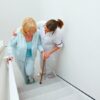

Leaving the hospital is often a moment families look forward to, but the transition from hospital care back to home can also bring uncertainty. Many patients feel better when they are discharged, yet they may still need professional support to continue healing safely.
The days and weeks after returning home are an important part of recovery. A patient may need help managing medications, following treatment instructions, rebuilding strength, monitoring symptoms, or adjusting to changes in daily activities.
This is where home health after hospital stay services can make a significant difference. Home health care provides professional medical support in the comfort of a patient’s home, helping individuals recover while reducing the risk of complications and unnecessary hospital visits.
For many patients, especially older adults and individuals managing chronic health conditions, a structured recovery plan after discharge can improve confidence, safety, and overall outcomes.
Table of Contents
- Important Note: Why Post-Hospital Care Matters
- Understanding the Transition From Hospital to Home
- 1. Helps Prevent Hospital Readmissions
- 2. Provides Skilled Nursing Support at Home
- 3. Supports Medication Management
- 4. Improves Recovery After Surgery or Illness
- 5. Provides Physical and Occupational Therapy
- 6. Helps Manage Chronic Conditions
- Choosing the Right Home Health Provider
- Home Health Care After Hospital Discharge in Houston
- Frequently Asked Questions
- Medical Disclaimer
Important Note
The first few weeks after a hospital discharge can be a vulnerable time for many patients. Even when someone feels ready to return home, they may still have medical needs that require monitoring and professional support. Understanding available home health options early can help patients recover safely, avoid preventable complications, and feel more confident during the healing process.
Understanding the Transition From Hospital to Home
The transition from hospital care to home recovery involves more than simply leaving the hospital. Patients often return home with new medications, follow-up instructions, activity restrictions, and lifestyle changes that can feel overwhelming.
For example, someone recovering from surgery may need to monitor an incision, manage pain medications, complete physical therapy exercises, and gradually return to normal activities. A person hospitalized because of a chronic condition may need ongoing monitoring to ensure symptoms remain controlled.
Without proper support, some patients may struggle to follow discharge instructions or recognize early warning signs of complications.
Hospital discharge home care provides a bridge between hospital treatment and independent recovery. Instead of managing everything alone, patients can receive guidance from trained healthcare professionals who understand their condition and recovery needs.
Home health services may include:
- Skilled nursing visits
- Medication education and management
- Physical therapy
- Occupational therapy
- Speech therapy when needed
- Health assessments and monitoring
- Patient and caregiver education
The goal is to help patients recover safely while remaining in the familiar environment of their own home.
1. Home Health Care Helps Prevent Hospital Readmissions
One of the most important benefits of home health care after discharge is helping prevent readmission to the hospital.
Many hospital readmissions happen because patients experience complications after returning home. They may have difficulty managing medications, misunderstand discharge instructions, experience worsening symptoms, or fail to recognize when they need medical attention.
Home health professionals help reduce these risks by providing ongoing monitoring and support during recovery.
A skilled nurse may check a patient’s condition, review medications, monitor symptoms, and communicate concerns with the healthcare team when needed.
For example, after a hospital stay for heart-related problems, a nurse can help monitor changes in symptoms and reinforce important lifestyle recommendations. For someone recovering from surgery, professional monitoring can help identify concerns early.
Preventing avoidable complications is not only beneficial for the patient but also provides peace of mind for family members who may worry about their loved one recovering alone.
Learn more about quality home health care and how professional support helps patients maintain better health outcomes at home.
2. Skilled Nursing Provides Medical Support at Home
After hospitalization, some patients require medical care that cannot be provided by family members alone. This is where skilled nursing becomes an important part of recovery.
Skilled nurses are trained healthcare professionals who provide medical services and monitor changes in a patient’s condition.
Depending on the patient’s needs, skilled nursing services may include:
- Medication management
- Wound care and dressing changes
- Monitoring vital signs
- Managing symptoms after illness
- Patient education
- Communication with physicians
For example, a patient recovering after surgery may need wound monitoring and education about proper recovery steps. A patient managing diabetes may need guidance with blood sugar monitoring and medication routines.
Receiving this support at home allows patients to continue recovery without the stress of frequent travel to medical appointments.
Families can learn more about skilled nursing care at home and how professional nurses support patients after illness or hospitalization.
3. Home Health Care Helps With Medication Management
Medication management is one of the biggest challenges many patients face after leaving the hospital.
A hospital discharge may involve new prescriptions, changes to existing medications, or instructions about when and how medicines should be taken. For patients taking multiple medications, keeping track of everything can become confusing.
Medication mistakes may happen when patients:
- Forget doses
- Take medications incorrectly
- Do not understand new instructions
- Experience side effects
- Mix medications incorrectly
Home health nurses can help patients understand their medication schedules and identify potential concerns.
This support is especially important for seniors and individuals managing multiple health conditions.
Proper medication management helps patients follow their treatment plans and supports safer recovery after hospitalization.

4. Home Health Care Supports Recovery After Surgery or Serious Illness
Recovering after surgery, injury, or a serious illness often requires more than rest. Many patients need professional guidance to regain strength, manage symptoms, and safely return to their normal routines.
After leaving the hospital, patients may still experience weakness, pain, limited mobility, fatigue, or difficulty completing everyday activities. These challenges can make recovery feel overwhelming, especially when family members are unsure how much assistance is needed.
Post-hospital recovery through home health care provides patients with personalized support based on their medical condition and recovery goals.
For example, someone recovering from joint replacement surgery may need physical therapy to improve movement and strength. A patient recovering from an infection may need nursing visits to monitor progress and ensure medications are working properly.
Home health professionals can help patients:
- Follow recovery instructions from their physician
- Monitor symptoms and changes in health
- Regain mobility and independence
- Complete recommended exercises safely
- Understand lifestyle changes needed for recovery
Recovering at home also allows healthcare professionals to see challenges that may not be obvious in a clinic setting. For example, a therapist may notice that a patient struggles with stairs, walking distances, or completing daily tasks within their own home environment.
This personalized approach helps create a safer and more effective recovery plan.
Patients recovering from procedures may benefit from specialized support such as post-surgical nursing care, which focuses on monitoring healing and supporting recovery after medical procedures.
5. Physical and Occupational Therapy Improve Independence After Hospitalization
Many patients leave the hospital with reduced strength, balance problems, or difficulty performing everyday activities. This is especially common after surgery, injury, stroke, or extended hospital stays.
Home health therapy services allow patients to receive rehabilitation in the place where they actually live.
Physical Therapy After Hospital Discharge
Physical therapy focuses on improving movement, strength, balance, and mobility.
A physical therapist may help patients who are experiencing:
- Difficulty walking
- Muscle weakness
- Balance problems
- Reduced endurance
- Challenges returning to normal activities
For seniors, improving mobility is especially important because better balance and strength can help reduce the risk of falls.
Occupational Therapy After Hospital Discharge
Occupational therapy focuses on helping patients complete daily activities safely and independently.
An occupational therapist may evaluate tasks such as:
- Bathing
- Dressing
- Preparing meals
- Moving safely around the home
- Using adaptive equipment when needed
These therapies help patients rebuild confidence while adjusting to changes after hospitalization.
Learn more about physical therapy services and how rehabilitation at home can support recovery.
6. Home Health Care Helps Manage Chronic Conditions
Many hospitalizations occur because chronic health conditions become difficult to manage. Conditions such as diabetes, heart disease, COPD, and other long-term illnesses often require consistent monitoring and lifestyle adjustments.
After discharge, patients may need help understanding how to manage their condition and prevent future complications.
Home health care provides ongoing education and support to help patients follow their healthcare plans.
Examples of chronic condition support may include:
- Monitoring symptoms
- Medication education
- Understanding warning signs
- Following nutrition recommendations
- Managing daily health routines
For example, a patient with diabetes may need assistance understanding blood sugar management after hospitalization. Someone with heart disease may need support recognizing changes that require medical attention.
Professional healthcare guidance can help patients feel more confident managing their condition while staying at home.
Icon Home Health provides specialized support for individuals managing chronic conditions through personalized care plans. Families can explore disease management services to learn more about ongoing healthcare support.
Why Recovery at Home Can Be Better for Many Patients
Home is often the environment where patients feel most comfortable. After a stressful hospital experience, returning to familiar surroundings can provide emotional comfort and help patients focus on healing.
Home-based care offers several advantages compared with managing recovery alone.
Comfort and Familiarity
Being surrounded by familiar belongings, routines, and loved ones can make the recovery process less stressful.
Personalized Attention
Home health professionals focus on the individual patient rather than treating recovery as a standard process.
Family Involvement
Family members can stay informed about progress and better understand how to support their loved one.
Early Identification of Problems
Regular monitoring helps identify concerns before they become serious health problems.
The goal of hospital discharge home care is not simply helping someone return home. It is helping them recover safely and confidently.
Important Note
Every patient’s recovery journey is different. Some people recover quickly after returning home, while others need additional medical support for several weeks or longer. Feeling tired, weak, or uncertain after hospitalization is common, but new or worsening symptoms should never be ignored. A healthcare professional can help determine what level of care is appropriate.
How Family Members Benefit From Home Health Support
When a loved one leaves the hospital, family members often take on unexpected caregiving responsibilities. While families want to help, managing medical needs without professional training can become stressful.
Home health care provides reassurance by giving families access to trained professionals who understand recovery needs.
Family caregivers benefit because they can:
- Receive guidance about the patient’s care plan
- Better understand medication and treatment instructions
- Feel less pressure managing complex medical needs
- Spend quality time with their loved one instead of only providing care
Professional support does not replace family involvement. Instead, it strengthens the overall support system around the patient.
When Should You Consider Home Health Care After Hospital Discharge?
Many families wonder when home health care is necessary after leaving the hospital.
It may be beneficial when a patient:
- Needs skilled nursing support
- Requires therapy after hospitalization
- Has difficulty managing medications
- Is recovering from surgery
- Has reduced mobility
- Needs help managing a chronic condition
- Has a higher risk of complications
If you are unsure whether your loved one qualifies, reviewing patient eligibility requirements can help you understand the factors healthcare providers consider.
Choosing the Right Home Health Care Provider After Hospital Discharge
Selecting the right home health provider is an important decision that can influence a patient’s recovery experience. After a hospital stay, families want to feel confident that their loved one is receiving safe, compassionate, and professional care.
A reliable home health agency should focus on personalized care rather than a one-size-fits-all approach. Every patient has different recovery needs, medical conditions, and personal goals.
When choosing a provider for home health after hospital stay, consider the following factors:
Medicare Certification and Licensing
Families should choose a licensed and Medicare-certified home health agency when seeking covered skilled healthcare services. Certification demonstrates that the agency meets specific quality and safety requirements.
Range of Services Available
A complete home health provider should offer services that support different stages of recovery, including skilled nursing, physical therapy, occupational therapy, speech therapy, and chronic condition management.
Communication With Healthcare Providers
Strong communication between the home health team, physicians, patients, and family members is essential. A coordinated approach helps ensure that changes in a patient’s condition are addressed quickly.
Personalized Care Plans
The best care plans are created around the patient’s specific health needs. Recovery after surgery may require a different approach than recovery after a stroke, infection, or chronic illness complication.
Before selecting a provider, families should ask questions about experience, services offered, availability, and how the agency communicates progress.
How Icon Home Health Supports Patients After Hospital Discharge
At Icon Home Health, we understand that returning home after hospitalization can be both exciting and challenging. Our goal is to help patients continue their recovery journey with professional support in a comfortable and familiar environment.
As a Medicare-certified home health agency serving Houston and surrounding communities, Icon Home Health provides personalized in-home healthcare designed around each patient’s unique needs.
Our team works closely with patients, families, and physicians to create care plans that support recovery, independence, and overall well-being.
Our post-hospital home health services include:
- Skilled nursing care
- Physical therapy
- Occupational therapy
- Speech therapy
- Medication management support
- Chronic disease management
- Patient and caregiver education
Whether a patient is recovering after surgery, managing a chronic condition, or adjusting after a hospital stay, our team provides compassionate care directly at home.
Learn more about home health care in Houston and how professional in-home services can support recovery.
Home Health Care After Hospital Discharge in Houston, Sugar Land, and Surrounding Areas
Families throughout Houston often search for reliable support after a loved one returns home from the hospital. Having access to local healthcare professionals can make recovery easier by providing timely visits, personalized attention, and coordinated care.
Icon Home Health proudly serves patients throughout:
- Houston
- Sugar Land
- Katy
- Richmond
- Missouri City
- Cypress
- Fresno
- Manvel
- Alvin
Our approach focuses on helping patients remain safe and comfortable while receiving the medical support they need.
For individuals recovering after hospitalization, professional home health services can provide peace of mind for both patients and their families.

Frequently Asked Questions About Home Health Care After Hospital Discharge
What is home health care after hospital discharge?
Home health care after hospital discharge provides skilled medical services to patients in their own homes after leaving the hospital. These services may include skilled nursing, therapy, medication support, and health monitoring to help patients recover safely.
How does home health care help prevent hospital readmission?
Home health care helps prevent readmission by providing ongoing monitoring, medication education, symptom management, and professional guidance during recovery. Healthcare professionals can identify potential concerns early and communicate changes with the patient’s medical team.
Who needs home health after a hospital stay?
Patients who may benefit include those recovering from surgery, illness, injury, hospitalization, or worsening chronic conditions. Individuals who need skilled nursing, therapy, or assistance following medical instructions may qualify for home health services.
What does a skilled nurse do after hospital discharge?
A skilled nurse may monitor the patient’s condition, review medications, provide wound care, educate patients and caregivers, assess symptoms, and communicate important updates with healthcare providers.
How long do patients receive home health care after discharge?
The length of home health care depends on the patient’s medical needs and recovery progress. Some patients may need support for a few weeks, while others with ongoing conditions may require longer-term services.
Does Medicare cover home health care after hospitalization?
Medicare may cover certain home health services when patients meet eligibility requirements, including needing medically necessary skilled care and receiving services through a Medicare-certified home health agency.
Can elderly patients recover better with home health care?
Many elderly patients benefit from home health care because it provides medical support while allowing them to recover in a familiar environment. Professional care can help improve safety, manage health conditions, and support independence.
Medical Disclaimer
This blog is intended for informational purposes only and does not replace professional medical advice, diagnosis, or treatment. Every patient’s health situation is different. Always consult with a qualified healthcare provider to determine the appropriate care plan after hospital discharge.
Continue Your Recovery Journey With Trusted Home Health Support
The transition from hospital care to home recovery is an important stage of healing. With the right support system, patients can recover safely, manage their health needs, and regain confidence in their daily routines.
Home health after hospital stay services provide more than medical assistance. They provide reassurance, education, and personalized care that helps patients and families navigate recovery with greater confidence.
If you or your loved one recently left the hospital and needs professional support at home, Icon Home Health is here to help.
Contact Icon Home Health today to learn how our skilled nursing, therapy, and personalized home health services can support a safer recovery at home.