

When a loved one returns home after surgery, experiences a stroke, develops a chronic illness, or begins struggling with daily health needs, families often find themselves asking the same question: “What exactly is home health care, and can we qualify for it?”
It’s a common concern. Many people assume home health care is only for seniors or those with severe medical conditions. In reality, home health services can benefit individuals of various ages who need skilled medical care while recovering at home. These services help bridge the gap between hospital care and independent living, allowing patients to receive professional healthcare in a familiar and comfortable environment.
Understanding how home health care works, who qualifies, and what services are available can help families make informed decisions and avoid unnecessary hospital readmissions. Whether you’re recovering from surgery, managing diabetes, dealing with mobility challenges, or caring for an aging parent, knowing your options is often the first step toward better health outcomes.
Table of Contents
- What Is Home Health Care?
- How Home Health Care Works
- What Services Are Included in Home Health Care?
- Who Typically Needs Home Health Care?
- Does Medicare Cover Home Health Care?
- Who Qualifies for Home Health Care?
- Common Medical Conditions That May Qualify
- Important Note
- How to Get Home Health Services
- Benefits of Receiving Care at Home
- When Home Health Care May Not Be Appropriate
- Home Health Care in Houston and Surrounding Areas
- Frequently Asked Questions
- Medical Disclaimer
Important Note
Many health conditions begin with symptoms that seem manageable at first. Difficulty walking, shortness of breath, weakness after surgery, medication complications, or declining independence can gradually affect quality of life. This guide explains what home health care is, who may qualify, and how early intervention can help prevent complications, support recovery, and improve long-term well-being. Understanding your options today could make a meaningful difference for you or someone you love.
What Is Home Health Care?
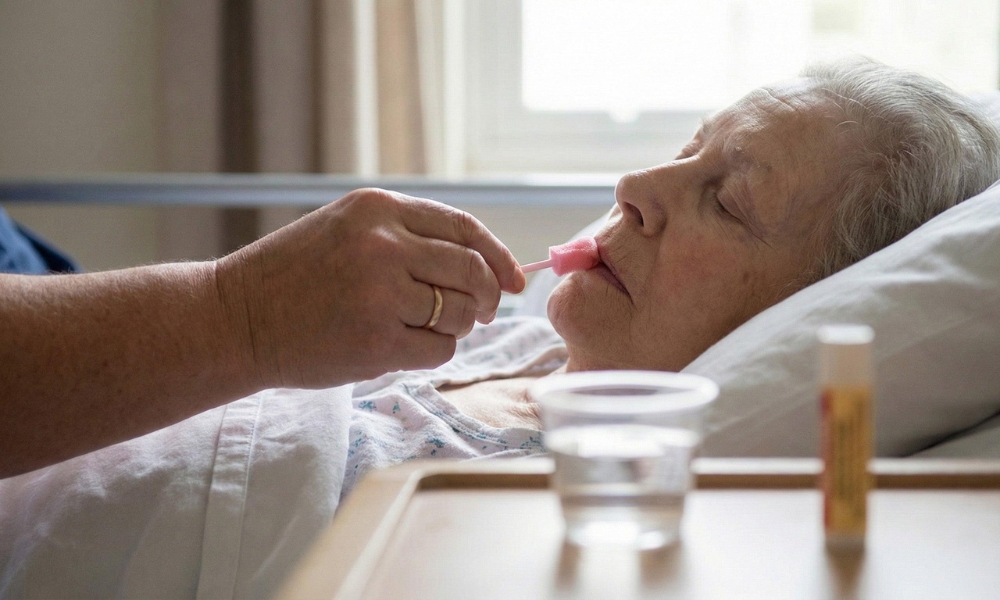
Home health care is skilled medical care provided in a patient’s home under the supervision of licensed healthcare professionals. Unlike non-medical companion care, home health services focus on treating illness, injury, chronic disease, and recovery needs while helping patients remain safely at home.
The goal is to provide medical support that would otherwise require visits to clinics, rehabilitation centers, or hospitals. Patients receive professional care in familiar surroundings, often resulting in greater comfort, reduced stress, and improved recovery outcomes.
Home health care commonly includes skilled nursing, physical therapy, occupational therapy, speech therapy, medical social services, and assistance from home health aides. Care plans are individualized and developed in coordination with the patient’s physician.
Many people search online asking, “What is home health care?” because the term is often confused with personal caregiving services. While both can be valuable, home health care specifically involves medically necessary services delivered by licensed professionals.
For example, someone recovering from hip replacement surgery may need physical therapy and wound monitoring. A patient with congestive heart failure may require nursing visits to monitor symptoms and prevent hospital readmission. A stroke survivor may benefit from speech therapy and rehabilitation exercises. These are all examples of home health services.
How Home Health Care Works
Home health care typically begins when a physician determines that a patient requires skilled medical services while recovering or managing a health condition at home. The physician creates or approves a care plan outlining the services needed and the goals of treatment.
Once referred to a licensed home health agency, a clinical assessment is performed. This assessment evaluates the patient’s condition, mobility, medication needs, safety concerns, and overall ability to function independently.
The care team then develops a personalized treatment plan. Depending on the patient’s needs, multiple healthcare professionals may be involved. Nurses may monitor chronic illnesses and medications, therapists may help restore mobility and function, and aides may assist with personal care activities.
Home visits are scheduled according to medical necessity. Some patients may need several visits each week, while others may only require occasional monitoring as they recover.
One of the greatest advantages of home health care is continuity. Rather than navigating multiple appointments and facilities, patients receive coordinated services in one familiar environment.
What Services Are Included in Home Health Care?
Many families are surprised by the variety of healthcare services that can be delivered in the home. Modern home health agencies provide comprehensive support designed to address both short-term recovery and long-term disease management.
Skilled Nursing Services
Registered nurses provide medical monitoring, wound care, medication management, chronic disease education, injections, catheter care, and post-surgical assessments. Skilled nursing at home is often recommended for patients with complex medical conditions.
Physical Therapy
Physical therapists help patients restore strength, balance, mobility, and independence following injuries, surgeries, strokes, or prolonged hospital stays. Therapy plans are tailored to individual goals and functional abilities.
Occupational Therapy
Occupational therapists focus on helping patients safely perform daily activities such as bathing, dressing, cooking, and using adaptive equipment. Their work can significantly improve independence and confidence.
Speech Therapy
Speech-language pathologists assist patients experiencing communication difficulties, cognitive challenges, or swallowing disorders following neurological conditions such as stroke or traumatic brain injury.
Home Health Aides
Home health aides provide support with personal care tasks under the supervision of licensed clinicians. Their assistance often complements skilled nursing and therapy services.
Medical Social Services
Medical social workers help patients and families navigate community resources, financial concerns, healthcare planning, and emotional challenges associated with illness or recovery.
Together, these services create a comprehensive approach that supports recovery, promotes independence, and enhances overall quality of life.
Who Typically Needs Home Health Care?
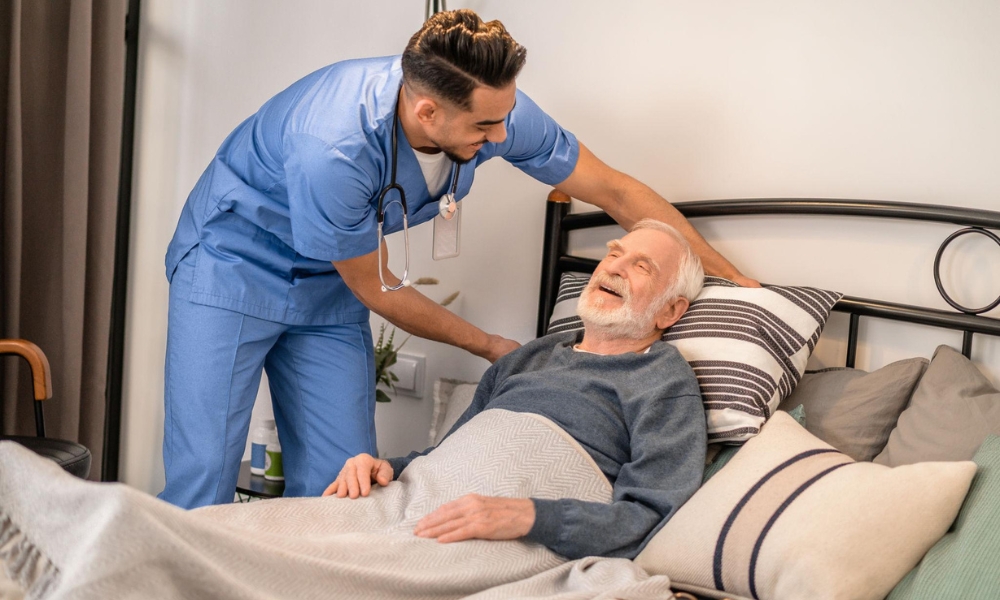
Home health care serves a broad range of patients. While older adults represent a large portion of those receiving services, younger individuals recovering from injuries, surgeries, or serious illnesses may also benefit.
Patients frequently become eligible after hospitalization because they require continued monitoring or rehabilitation. Others may need support managing chronic diseases that affect daily functioning.
Some of the most common situations include recovery after surgery, stroke rehabilitation, heart disease management, diabetes care, wound treatment, mobility limitations, chronic respiratory conditions, neurological disorders, and recurrent hospitalizations.
Family caregivers often seek home health services when they notice a loved one struggling with activities that were previously manageable. Increasing weakness, frequent falls, medication confusion, or worsening symptoms may indicate the need for professional evaluation.
Another common scenario involves patients who technically no longer require hospitalization but are not yet ready to manage independently. Home health services can provide an important transitional layer of care during this vulnerable period.
Does Medicare Cover Home Health Care?
One of the most frequently asked questions families have is whether Medicare home health benefits will cover care.
The answer is often yes, provided certain eligibility requirements are met. Medicare may cover medically necessary home health services when a physician certifies that the patient qualifies and a licensed Medicare-certified home health agency provides the care.
Coverage generally applies to intermittent skilled nursing care, physical therapy, occupational therapy, speech-language pathology services, medical social services, and certain home health aide services that are part of a broader care plan.
However, Medicare does not typically cover around-the-clock custodial care or non-medical assistance when those services are the sole need.
Understanding the distinction between medical necessity and personal assistance is important because many families assume all home-based care falls under Medicare coverage. In reality, eligibility depends on the patient’s medical condition and physician-directed treatment needs.
In the next section, we’ll explore the specific requirements used to determine who qualifies for home health care and what factors healthcare providers consider during the approval process.
Who Qualifies for Home Health Care?
The question “Who qualifies for home health care?” is often more complex than many people expect. Qualification is not based solely on age. Instead, healthcare providers evaluate a combination of medical needs, functional limitations, physician recommendations, and the type of care required.
Generally, patients may qualify when they need skilled medical services that can be safely delivered at home. These services must be medically necessary and ordered by a physician as part of an established treatment plan.
A patient recovering from surgery may qualify because wound monitoring, medication management, and rehabilitation therapy are needed during recovery. Similarly, someone managing a chronic illness may qualify if skilled nursing visits are necessary to monitor symptoms, prevent complications, or educate the patient about disease management.
In many cases, qualification involves meeting several key criteria. The patient must have a documented medical condition requiring professional healthcare intervention. The services must be considered reasonable and necessary for treatment or recovery. Additionally, the patient’s physician must certify the need for home health services.
Another important consideration involves mobility and safety. While not every patient is completely confined to the home, many individuals receiving home health care face significant challenges leaving home independently. Travel may require considerable effort, assistance from another person, special transportation, or pose health risks due to their condition.
Ultimately, eligibility decisions are based on clinical assessments rather than age alone. A younger adult recovering from a severe injury may qualify just as readily as an older adult managing multiple chronic diseases.
Key Factors That May Support Eligibility
Healthcare providers typically consider:
- The presence of a medical condition requiring skilled care
- Recent hospitalization or surgery
- Need for physical, occupational, or speech therapy
- Chronic disease management requirements
- Medication monitoring needs
- Wound care requirements
- Functional limitations affecting independence
- Physician certification and treatment plan
Each case is unique, which is why professional assessment by a qualified home health agency remains an essential part of the process.
Common Medical Conditions That May Qualify for Home Health Care
Many medical conditions can create a need for home health services. While eligibility always depends on individual circumstances, certain diagnoses frequently lead to physician referrals for home-based care.
Recovery After Surgery
Surgical recovery can be challenging, especially when mobility is limited or complications are possible. Patients recovering from orthopedic procedures, joint replacements, abdominal surgeries, cardiac surgeries, or other major operations often require nursing visits and rehabilitation therapy.
Physical therapists may help restore strength and mobility, while nurses monitor healing, medication use, and signs of infection. Receiving these services at home can reduce stress and support a safer recovery process.
Stroke Recovery
A stroke can affect speech, movement, cognition, balance, and daily functioning. Home health services often play a critical role during rehabilitation.
Speech therapists may address communication or swallowing difficulties. Physical therapists help rebuild strength and mobility. Occupational therapists focus on helping patients regain independence in daily tasks. Skilled nurses monitor ongoing medical needs and help manage risk factors that could contribute to future strokes.
Heart Disease and Congestive Heart Failure
Heart conditions frequently require close monitoring after hospitalization. Patients with congestive heart failure may experience fatigue, shortness of breath, swelling, and reduced exercise tolerance.
Home health nurses can educate patients about medication compliance, monitor symptoms, assess fluid retention, and help identify warning signs before hospitalization becomes necessary.
Many patients benefit from learning how small daily changes can significantly affect their heart health and overall quality of life.
Diabetes Management
Managing diabetes involves much more than checking blood sugar levels. Patients may require education regarding medications, insulin administration, nutrition, wound prevention, and monitoring for complications.
For individuals experiencing diabetic ulcers, poor circulation, or difficulty managing treatment independently, home health services can provide valuable support while reducing the risk of serious complications.
Chronic Obstructive Pulmonary Disease (COPD)
People living with COPD often experience breathing difficulties that make travel and clinic visits physically exhausting. Home health services may help patients manage symptoms, improve medication adherence, monitor oxygen use, and recognize worsening respiratory symptoms early.
Education plays a major role in COPD management. Understanding triggers, breathing techniques, and activity modification strategies can improve both safety and comfort.
Neurological Conditions
Conditions such as Parkinson’s disease, multiple sclerosis, traumatic brain injury, and certain forms of dementia may affect mobility, communication, cognition, and independence.
Home health professionals work collaboratively to address these challenges while helping patients remain as functional and independent as possible within their home environment.
Wound Care Needs
Complex wounds often require specialized treatment that cannot safely be managed without professional oversight. Surgical wounds, pressure injuries, diabetic ulcers, and chronic wounds frequently qualify patients for skilled nursing services.
Proper wound care reduces infection risk, promotes healing, and helps prevent complications that could lead to hospitalization.
Important Note
If you’re wondering whether a loved one truly needs home health care, remember that not every symptom automatically indicates a serious problem. Sometimes temporary weakness, fatigue, or mobility challenges improve naturally with recovery. However, persistent symptoms, repeated falls, worsening medical conditions, medication difficulties, or ongoing functional decline deserve professional evaluation. Rather than attempting to self-diagnose complex health concerns, it’s often best to discuss symptoms with a healthcare provider who can determine whether home health services may be beneficial. Early intervention frequently leads to better outcomes and greater peace of mind for both patients and families.
How to Get Home Health Services
Many families assume obtaining home health care requires a complicated process. In reality, the pathway is often straightforward once a medical need has been identified.
The process usually begins with a conversation between the patient and a healthcare provider. Physicians, hospital discharge planners, specialists, rehabilitation facilities, and healthcare case managers commonly initiate referrals.
After determining that skilled medical services are appropriate, the physician creates an order for home health care. The referral is then sent to a licensed home health agency, which schedules an initial evaluation.
During the assessment, clinicians review medical history, current diagnoses, medications, mobility status, safety concerns, support systems, and treatment goals. This information helps establish a personalized care plan tailored to the patient’s unique needs.
The care team coordinates with the physician throughout treatment, adjusting services as recovery progresses or medical conditions change.
Families should never hesitate to ask questions during this process. Understanding the purpose of each service helps ensure realistic expectations and stronger participation in the patient’s recovery journey.
Questions Families Often Ask
- How often will visits occur?
- Will Medicare cover the services?
- How long will treatment continue?
- What happens if symptoms worsen?
- Who coordinates care with the physician?
- Can multiple therapies be provided at the same time?
Open communication between providers, patients, and caregivers contributes significantly to successful outcomes.
Benefits of Receiving Care at Home
There is a reason home health care continues to grow as an important component of modern healthcare. Patients frequently experience advantages that extend beyond convenience alone.
One of the most significant benefits is comfort. Recovery often feels less stressful when patients remain in familiar surroundings with their personal routines, belongings, and family support systems.
Home-based care also allows clinicians to observe real-world challenges that may not be apparent during clinic visits. A therapist can identify fall risks inside the home. A nurse can evaluate medication storage and adherence. These observations lead to more personalized and practical recommendations.
Another major advantage is reducing avoidable hospital readmissions. Chronic diseases such as heart failure, diabetes, and COPD can worsen quickly if warning signs go unnoticed. Regular home visits help identify potential complications before they become emergencies.
Patients often report increased confidence as they regain independence through therapy and education. Learning to safely manage medications, mobility limitations, and chronic conditions empowers individuals to participate more actively in their own healthcare.
Families also benefit. Caregivers frequently experience reduced stress when trained professionals provide guidance, monitoring, and ongoing support.
Perhaps most importantly, home health services focus on improving quality of life. Healthcare becomes integrated into the patient’s daily environment rather than requiring constant travel to outside facilities.
When Home Health Care May Not Be Appropriate
Although home health care provides valuable support for many patients, it is important to understand that it is not designed for every healthcare situation. Home health services are intended for individuals who need skilled medical care and can safely receive that care in their home environment.
Patients who require continuous medical monitoring, emergency treatment, intensive rehabilitation, or hospital-level care may need a different level of support. In these situations, healthcare providers may recommend inpatient rehabilitation, skilled nursing facilities, hospitals, or other specialized care settings.
Another common misunderstanding is that home health care provides unlimited daily assistance with household tasks. While some services include support from home health aides, the primary purpose of Medicare-certified home health care is medically necessary treatment rather than full-time personal caregiving.
For example, a patient who only needs help with cooking, cleaning, transportation, or companionship may benefit from other types of home care services rather than skilled home health services.
The best way to determine whether home health care is appropriate is through a professional evaluation. Healthcare providers consider medical conditions, safety concerns, functional abilities, and treatment goals before recommending services.
What Is the Difference Between Home Health Care and Home Care?
The terms “home health care” and “home care” are often used interchangeably, but they describe different types of support.
Home health care refers to skilled medical services provided by licensed healthcare professionals. These services may include nursing care, physical therapy, occupational therapy, speech therapy, wound management, and chronic disease monitoring.
Home care, on the other hand, generally refers to non-medical assistance that helps individuals with everyday activities. This may include meal preparation, housekeeping, transportation, personal assistance, and companionship.
Understanding this difference is important because families often search for home health services when they actually need long-term supportive care, or they may overlook home health care because they assume it is only available for severe medical situations.
A healthcare professional can help determine which type of service best matches the patient’s needs.
Simple Example:
- A patient needing wound dressing changes after surgery may require home health nursing.
- A patient needing help with grocery shopping and household tasks may require home care assistance.
- A patient recovering from a stroke may need both skilled therapy and additional personal support depending on their situation.
Choosing the right type of care ensures patients receive appropriate support without unnecessary gaps or delays.
Home Health Care in Houston and Surrounding Areas
For families searching for home health care in Houston, finding a trusted provider that understands local healthcare needs is an important step. Patients across Houston, Sugar Land, Katy, Richmond, Missouri City, Cypress, Fresno, Manvel, Alvin, and surrounding communities may benefit from professional in-home healthcare services designed around their individual needs.
At Icon Home Health, care is centered around helping patients recover, maintain independence, and manage health conditions safely at home. As a Medicare-certified home health agency, Icon Home Health provides coordinated services including skilled nursing, physical therapy, occupational therapy, speech therapy, and personalized care plans developed alongside physicians.
Receiving care at home allows patients to focus on healing without the added challenges of frequent transportation, unfamiliar environments, and disrupted routines. For seniors, individuals recovering from surgery, and those managing chronic illnesses, having professional support available at home can make the healthcare journey more comfortable and manageable.
When choosing a home health agency, families should consider factors such as:
- Medicare certification and licensing
- Experience with specific medical conditions
- Communication with physicians and caregivers
- Availability of skilled nursing and therapy services
- Commitment to patient-centered care
The right provider does more than deliver medical services. A quality home health agency becomes a trusted partner in helping patients achieve better health outcomes while preserving dignity and independence.
Frequently Asked Questions About Home Health Care
What is home health care in simple terms?
Home health care is medical care provided in a patient’s home by licensed healthcare professionals. It helps people recover from illness, surgery, injury, or manage chronic conditions while remaining in a comfortable environment.
Who qualifies for home health care?
People who need skilled medical services ordered by a physician may qualify for home health care. Eligibility often depends on medical necessity, functional limitations, the need for professional care, and the ability to safely receive services at home.
Does Medicare pay for home health care?
Medicare may cover certain home health services when eligibility requirements are met. Coverage generally applies to medically necessary skilled services such as nursing, physical therapy, occupational therapy, and speech therapy provided through a Medicare-certified home health agency.
What conditions require home health care?
Many conditions may require home health care, including recovery after surgery, stroke rehabilitation, diabetes management, heart disease, COPD, neurological conditions, mobility problems, and complex wound care needs.
How long does home health care last?
The length of home health care varies depending on the patient’s condition, progress, and treatment goals. Some individuals need services for a few weeks during recovery, while others may require longer-term support for chronic health management.
Can home health care prevent hospital readmission?
Yes. Home health services can help reduce preventable hospital visits by monitoring symptoms, improving medication management, providing education, and identifying health concerns early.
Is home health care only for seniors?
No. While many older adults receive home health services, people of any age may qualify if they have a medical need requiring skilled care at home.
How do I request home health services?
The process usually begins with a discussion with your healthcare provider. A physician can determine whether home health care is appropriate and provide the necessary referral or order.
Medical Disclaimer
This article is intended for educational purposes only and should not replace professional medical advice, diagnosis, or treatment. Every person’s health situation is different. If you have concerns about your symptoms, recovery, or eligibility for home health services, consult your healthcare provider or a qualified medical professional.
Take the Next Step Toward Personalized Home Health Support
Choosing home health care is an important decision that can help patients recover safely, manage chronic conditions, and maintain independence. Understanding what services are available and who qualifies allows families to make confident healthcare decisions.
If you or a loved one may benefit from skilled nursing, physical therapy, occupational therapy, speech therapy, or other home health services in Houston and surrounding communities, Icon Home Health is here to provide compassionate, patient-centered support.
Contact Icon Home Health today to learn more about personalized home health services and discover how professional care can be delivered directly to your home.