

Watching an aging parent experience changes in health, mobility, or independence can be difficult for any family. Many adult children notice small changes over time but may wonder whether those changes are simply a normal part of aging or signs that their parent needs additional support.
The truth is that many seniors want to remain independent for as long as possible. They may hesitate to ask for help because they do not want to feel like a burden or lose control over their daily routines. As a result, family members often become the first people to recognize when something is no longer working safely.
Elderly home health care can provide professional support that helps seniors remain comfortable, safe, and independent in their own homes. Home health services may include skilled nursing, therapy, health monitoring, medication support, and personalized care plans based on an individual’s medical needs.
Knowing the warning signs early can help families take action before a small concern becomes a serious health issue.
Table of Contents
- Important Signs Your Parent May Need Home Health Care
- 1. Increased Difficulty With Daily Activities
- 2. Frequent Falls or Mobility Problems
- 3. Trouble Managing Medications
- 4. Changes in Personal Hygiene and Self-Care
- 5. Unexplained Weight Loss or Poor Nutrition
- 6. Increasing Memory Problems or Confusion
- Important Note
- 7. More Frequent Hospital Visits or Health Complications
- 8. Difficulty Managing Chronic Conditions
- 9. Increased Loneliness and Social Isolation
- 10. Family Caregivers Feel Overwhelmed
- Choosing the Right Senior Care Support
- Senior Home Care in Houston
- Frequently Asked Questions
- Medical Disclaimer
Important Note
Needing help at home does not mean an older adult has lost independence. In many cases, the right support actually allows seniors to maintain their independence longer while reducing health risks. Understanding the early signs that your aging parent may need care can help your family make decisions based on safety, comfort, and quality of life.
Why Recognizing Signs Early Matters for Aging Parents
Many families wait until a crisis happens before considering professional care. A fall, hospitalization, medication mistake, or sudden decline in health often becomes the moment when families realize additional support is needed.
However, waiting until an emergency occurs can make recovery more challenging. Early support can help identify health concerns, prevent complications, and give seniors the assistance they need before problems become severe.
Home health care is not only for people who are seriously ill. Many older adults benefit from professional care while recovering from surgery, managing chronic conditions, improving mobility, or adjusting to changes caused by aging.
Some common reasons families begin exploring senior home care include:
- Changes in walking ability or balance
- Difficulty completing daily tasks
- Medication management challenges
- Recovery after illness or hospitalization
- Increasing need for health monitoring
- Concerns about safety at home
The goal of quality senior care is to provide the right level of assistance while respecting the person’s dignity, preferences, and independence.
1. Your Parent Has Increased Difficulty With Daily Activities
One of the earliest signs that an elderly parent may need home health care is difficulty completing everyday activities that were once simple.
These changes may happen gradually. A parent may begin struggling with cooking meals, keeping the home organized, getting dressed, bathing safely, or managing normal household routines.
At first, these changes may seem minor. However, difficulty with daily activities can sometimes indicate changes in strength, balance, energy levels, memory, or overall health.
Examples of daily activities that may become challenging include:
- Preparing healthy meals
- Bathing and grooming
- Getting dressed
- Moving safely around the home
- Completing household tasks
- Keeping track of appointments
When these challenges begin affecting safety or quality of life, professional support may help.
A home health professional can evaluate the individual’s needs and recommend appropriate services. Depending on the situation, support may include skilled nursing, therapy, or assistance from a home health aide.
For families unsure where to begin, learning about home health care eligibility can help explain when professional services may be appropriate.
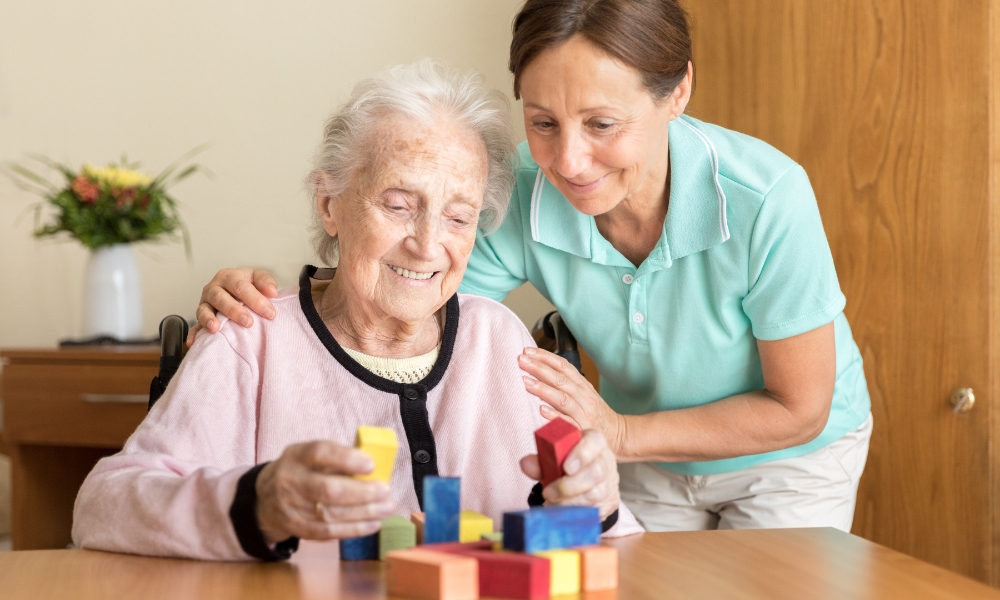
2. Your Parent Has Frequent Falls or Increasing Mobility Problems
Falls are one of the most common concerns among older adults, especially when mobility, balance, or strength begins to decline.
A parent who once moved around easily may start holding onto furniture, avoiding stairs, walking more slowly, or feeling uncertain when standing or moving from one room to another.
These changes may seem harmless, but mobility problems can increase the risk of injuries and reduce confidence. Some seniors become less active because they are afraid of falling, which can lead to further weakness and loss of independence.
Signs of mobility concerns may include:
- Difficulty standing from a chair
- Using walls or furniture for support
- Avoiding activities because of fear of falling
- Difficulty walking longer distances
- Changes in walking pattern
Home health care can help address these concerns through professional assessment and treatment.
Physical therapy is often an important part of senior home care for individuals experiencing weakness, balance problems, or recovery challenges. A therapist can create exercises designed to improve strength, mobility, and confidence.
For seniors who have difficulty traveling to appointments, in-home physical therapy allows rehabilitation to take place in a familiar environment.
Therapists can also identify safety concerns within the home and recommend ways to make daily movement easier.
3. Your Parent Struggles With Medication Management
Managing medications correctly becomes increasingly important as people age, especially for those living with multiple health conditions.
A senior who takes several prescriptions may accidentally miss doses, take the wrong medication, forget instructions, or become confused about timing.
Medication mistakes can create serious health concerns, particularly for individuals managing conditions such as heart disease, diabetes, high blood pressure, or other chronic illnesses.
Warning signs may include:
- Unopened or expired medications
- Confusion about prescriptions
- Missed doses
- Repeated questions about medication schedules
- Unexpected changes in health symptoms
Home health nursing services can provide professional monitoring, medication education, and communication with healthcare providers when needed.
A skilled nurse can help ensure that medications are taken correctly while also monitoring for changes that may require medical attention.
This type of support is especially valuable for aging parents who want to remain at home but need additional healthcare guidance.
4. Your Parent Is Struggling With Personal Hygiene and Self-Care
Changes in personal hygiene are often one of the most noticeable signs that an aging parent may need additional support at home. Many seniors value their independence and may try to hide these challenges because they feel embarrassed or worry about losing control over their daily lives.
However, difficulty maintaining personal care routines is not always a choice. It may be related to physical limitations, balance issues, fatigue, pain, memory changes, or medical conditions that make everyday tasks more difficult.
Some signs that your parent may need assistance include:
- Wearing the same clothes repeatedly
- Difficulty bathing safely
- Unkempt appearance
- Avoiding grooming routines
- Difficulty managing laundry or household cleanliness
- Needing more help with dressing
These changes do not mean a senior can no longer live independently. Instead, they may indicate that additional support could make daily life safer and more comfortable.
Senior home care services can provide assistance with personal routines while respecting privacy and dignity. A trained caregiver or home health aide can help with daily activities that have become challenging while allowing seniors to maintain as much independence as possible.
Families who want to understand available options can learn more about home health aide services and how they support seniors at home.
5. Your Parent Has Unexplained Weight Loss or Poor Nutrition
Nutrition plays an important role in maintaining strength, immunity, energy, and overall health as people age. Unexplained weight loss can sometimes be an early warning sign that an elderly parent needs additional support.
Many factors can contribute to nutrition problems in seniors. Some older adults may have difficulty shopping, preparing meals, chewing, swallowing, or remembering to eat regularly.
Other factors may include:
- Reduced appetite
- Medication side effects
- Difficulty preparing balanced meals
- Changes in taste or smell
- Memory-related challenges
- Limited mobility affecting grocery shopping
When an older adult does not receive proper nutrition, it can contribute to weakness, slower recovery, increased fall risk, and difficulty managing health conditions.
A home health professional can help identify concerns related to nutrition and communicate important changes to healthcare providers.
For individuals recovering from illness, surgery, or managing chronic conditions, having professional support at home can make it easier to maintain healthy routines.
Families should pay attention to changes such as loose-fitting clothing, reduced energy, skipped meals, or noticeable changes in eating habits.
6. Your Parent Shows Increased Memory Problems or Confusion
Occasional forgetfulness can happen with normal aging, but noticeable changes in memory, judgment, or daily functioning may indicate that an older adult needs additional support.
Memory concerns can affect many areas of daily life. A parent may forget appointments, have trouble following medication instructions, become confused about familiar routines, or struggle with tasks they previously handled easily.
Signs that memory changes may be affecting safety include:
- Forgetting important medications
- Repeatedly asking the same questions
- Difficulty managing finances or appointments
- Becoming confused in familiar places
- Changes in decision-making ability
It is important to remember that memory changes can have many causes. They may be related to aging, medications, health conditions, or other factors that should be discussed with a healthcare provider.
Home health services can provide valuable support by helping maintain routines, monitoring changes, and keeping families informed about concerns.
For seniors experiencing memory challenges, consistent routines and a safe home environment can make daily life more manageable.
Important Note
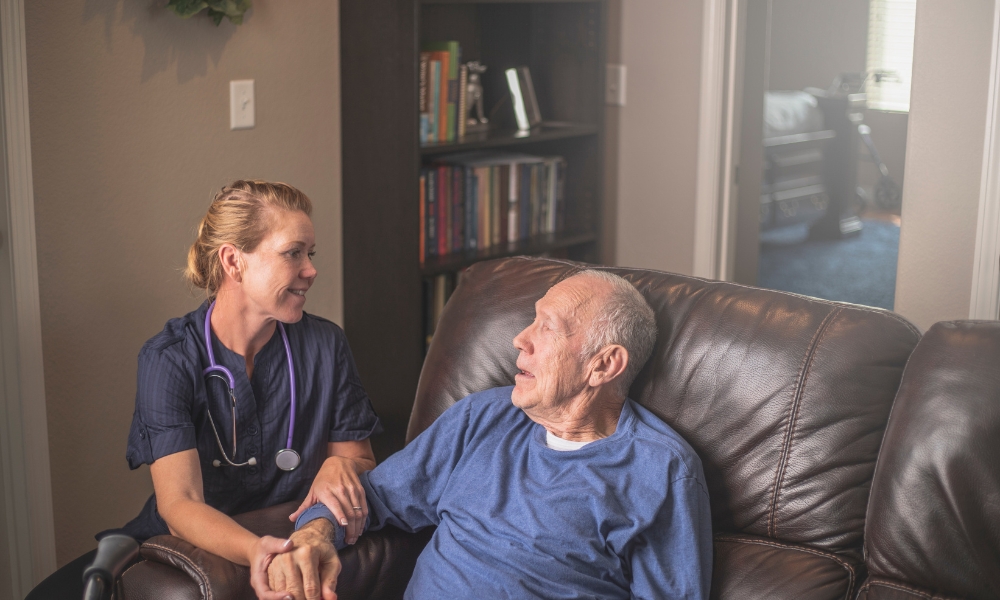
Not every change in an older adult’s life means they immediately need full-time care. Some concerns may be temporary, while others may require medical evaluation. The goal of home health care is not to remove independence but to provide the right support at the right time. If you notice significant changes in your parent’s health, safety, or ability to manage daily activities, speaking with a healthcare professional can help identify the best next step.
7. Your Parent Has More Frequent Hospital Visits or Health Complications
Repeated hospital visits, emergency room trips, or worsening health symptoms may be a sign that an elderly parent needs more consistent support at home.
Many older adults return home after hospitalization but continue to need monitoring during recovery. Without proper follow-up care, some patients may experience complications that could have been prevented with early intervention.
Home health care can help bridge the transition between hospital care and independent living.
Examples of situations where home health support may be beneficial include:
- Recovery after surgery
- Recent hospital discharge
- New medication changes
- Chronic condition flare-ups
- Difficulty following treatment plans
Professional nurses can monitor symptoms, provide education, and communicate concerns with physicians when necessary.
Patients recovering after medical procedures may benefit from specialized support such as home health care after surgery, which focuses on safe recovery and reducing complications.
8. Your Parent Has Difficulty Managing Chronic Health Conditions
Many seniors live with chronic conditions that require ongoing attention. Conditions such as diabetes, heart disease, COPD, and other long-term illnesses often require careful monitoring and lifestyle adjustments.
Managing these conditions alone can become challenging, especially when symptoms change or multiple healthcare instructions need to be followed.
Signs that your parent may need additional support include:
- Difficulty monitoring symptoms
- Frequent changes in health condition
- Problems following treatment plans
- Difficulty managing diet or medications
- Increased fatigue or weakness
Home nursing services can help seniors manage their health while remaining in a familiar environment.
Skilled nurses may assist with health assessments, patient education, medication management, and communication with healthcare providers.
For seniors managing complex conditions, professional monitoring can provide reassurance for both patients and family members.
Learn more about disease management services and how coordinated care can support long-term health needs.
9. Your Parent Is Becoming More Isolated or Losing Interest in Activities
Social connection is an important part of healthy aging. When seniors become isolated, they may experience changes in mood, motivation, and overall quality of life.
Isolation can happen for many reasons, including:
- Difficulty driving
- Loss of friends or social connections
- Mobility limitations
- Health-related restrictions
- Fear of leaving home
A parent who once enjoyed activities may begin spending most of their time alone or withdrawing from conversations and hobbies.
While companionship alone may not require medical care, it can be an important part of senior support. Having regular interaction and assistance can help seniors feel connected and supported.
Professional caregivers can provide companionship while also helping with daily routines and safety needs.
10. Family Caregivers Feel Overwhelmed or Unable to Provide Enough Support
Many families provide care for aging parents out of love and commitment. However, caregiving responsibilities can become physically and emotionally challenging, especially when combined with work, family obligations, and personal responsibilities.
If family members feel exhausted, stressed, or unable to provide the level of support their parent needs, it may be time to consider professional assistance.
Signs that additional help may be needed include:
- Constant worry about your parent’s safety
- Difficulty managing medical needs
- Feeling unable to keep up with daily care
- Missing work or personal responsibilities frequently
- Emotional exhaustion
Professional senior care services can support both the older adult and the family caregiver.
The goal is not to replace family involvement but to create a stronger support system where everyone has the help they need.
How to Choose the Right Home Health Care for Your Elderly Parent
Recognizing that an aging parent may need help is an important first step, but many families are unsure what type of care is appropriate. The right choice depends on your parent’s health condition, level of independence, safety concerns, and personal preferences.
Some seniors may only need temporary support after surgery or illness, while others may benefit from ongoing assistance managing chronic health conditions. A professional evaluation can help determine what type of care will provide the greatest benefit.
When exploring elderly home health care options, consider these important questions:
- Does my parent need medical care from a licensed healthcare professional?
- Are there mobility, balance, or safety concerns at home?
- Does my parent need help managing medications?
- Are chronic conditions becoming more difficult to manage?
- Is my family struggling to provide enough support?
If your parent needs skilled medical services, options such as nursing care, physical therapy, occupational therapy, or speech therapy may be appropriate.
If the main challenges involve daily routines, personal assistance, or companionship, senior home care services may provide the right level of support.
The most effective care plans are personalized. Every senior has different goals, abilities, and health concerns, which is why professional care should be tailored to the individual.
How Home Health Care Helps Seniors Maintain Independence
Many families worry that bringing in professional care will make their elderly parent feel like they are losing independence. In reality, the opposite is often true.
The purpose of quality home health care is to provide support where it is needed while allowing seniors to continue making decisions about their daily lives.
For many older adults, receiving assistance can help them:
- Remain safely in their own homes
- Continue daily routines with confidence
- Recover after illness or surgery
- Manage chronic health conditions more effectively
- Reduce the risk of avoidable complications
For example, a senior who struggles with walking may regain confidence after working with a physical therapist. Someone recovering after hospitalization may feel more secure knowing a nurse is monitoring their progress.
Professional support allows seniors to focus on living their lives rather than worrying about tasks that have become difficult.
Families can explore the benefits of in-home care for elderly individuals to better understand how personalized support can improve quality of life.
What Services Are Included in Elderly Home Health Care?
The services provided through elderly home health care depend on the individual’s medical needs and care plan.
Common services may include:
Skilled Nursing Services
Skilled nurses provide medical care and monitoring for seniors who need professional healthcare support at home. This may include medication management, wound care, health assessments, and education about managing health conditions.
Learn more about skilled nursing care at home and how nursing support helps seniors recover safely.
Physical Therapy
Physical therapy can help seniors improve strength, balance, mobility, and confidence after injuries, surgery, illness, or periods of reduced activity.
Occupational Therapy
Occupational therapy focuses on helping seniors complete daily activities safely and independently. Therapists may recommend strategies or modifications that make everyday tasks easier.
Speech Therapy
Speech therapy can help seniors who experience challenges with communication, swallowing, or certain neurological conditions.
Home Health Aide Support
Home health aides may assist with personal care routines and daily activities while helping seniors maintain comfort and dignity.
Elderly Home Health Care Services in Houston and Surrounding Areas
For families searching for senior care in Houston, finding a trusted provider close to home can make the care process easier and more convenient.
Icon Home Health provides compassionate, Medicare-certified home health services designed to support seniors throughout Houston, Sugar Land, Katy, Richmond, Missouri City, Cypress, Fresno, Manvel, Alvin, and surrounding communities.
The team focuses on delivering personalized care that helps older adults recover, manage health conditions, and maintain independence in the comfort of their own homes.
Services offered include:
- Skilled nursing services
- Physical therapy
- Occupational therapy
- Speech therapy
- Chronic condition management
- Home health aide services
- Post-surgical care
Whether your parent is recovering after hospitalization, managing a long-term condition, or experiencing changes related to aging, having professional support can provide reassurance for both seniors and their families.
Families can learn more about available options through home health care in Houston.
Frequently Asked Questions About Elderly Home Health Care
What are the first signs that an elderly parent needs home health care?
The first signs may include difficulty completing daily activities, frequent falls, medication mistakes, mobility problems, changes in hygiene, unexplained weight loss, or difficulty managing chronic health conditions.
Early support can help seniors remain safe and independent while reducing the risk of complications.
How do I know if my aging parent needs home health care or assisted living?
The right option depends on your parent’s medical needs, safety, and ability to function independently. Many seniors can continue living at home with professional support through home health care services.
A healthcare professional can help determine whether in-home care provides the appropriate level of assistance.
What does a home health nurse do for elderly patients?
A home health nurse provides skilled medical care such as monitoring health conditions, managing medications, providing wound care, educating patients, and communicating changes with healthcare providers.
Does Medicare cover elderly home health care?
Medicare may cover certain home health services when eligibility requirements are met, including medically necessary skilled care provided through a Medicare-certified home health agency.
Coverage depends on the individual’s medical situation and specific requirements.
Can home health care help seniors avoid hospitalization?
Home health care can help reduce health risks by providing monitoring, education, therapy, and support with treatment plans. While it cannot prevent every hospitalization, early intervention and professional care may help identify concerns before they become more serious.
How can I talk to my elderly parent about needing care?
Start the conversation with compassion and focus on support rather than limitations. Many seniors respond better when care is presented as a way to maintain independence, improve safety, and make daily life easier.
Medical Disclaimer
This article is for informational purposes only and does not replace professional medical advice, diagnosis, or treatment. Every senior has unique healthcare needs. Always consult a qualified healthcare provider to determine the appropriate care options for your elderly parent or loved one.
Support Your Aging Parent With Compassionate Home Health Care
Recognizing that your elderly parent may need help can be an emotional experience, but seeking support early can make a meaningful difference in their health, safety, and quality of life.
The goal of elderly home health care is not to take away independence. It is to provide the right support that allows seniors to remain comfortable, confident, and connected to the place they call home.
If you notice changes in your parent’s mobility, health, daily routines, or ability to manage independently, professional guidance can help your family make informed decisions.
Contact Icon Home Health today to learn how personalized senior home care and home nursing services can support your loved one’s health and independence.