
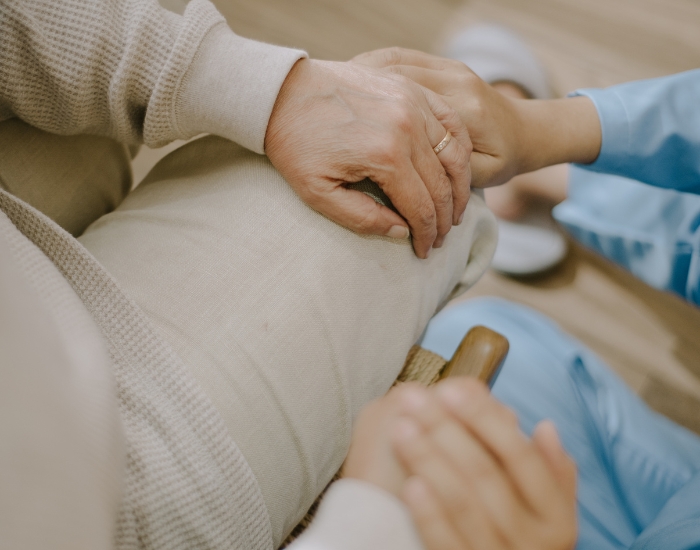
When a loved one begins having difficulty managing daily activities, recovering after surgery, or dealing with a chronic medical condition, families often start searching for support at home. However, one of the most common points of confusion is understanding the difference between home health care vs home care.
Although these terms sound similar, they represent two different types of services. Choosing the right option depends on the person’s health needs, level of independence, medical condition, and the type of assistance required.
Home health care focuses on skilled medical services provided by licensed healthcare professionals, such as nurses and therapists. These services are designed for patients recovering from illness, surgery, injury, or those managing complex medical conditions.
Home care, on the other hand, generally focuses on non-medical assistance that helps individuals with daily activities, personal care, companionship, and maintaining independence at home.
For families making healthcare decisions, understanding the difference between home health and home care can prevent delays in receiving appropriate support. It can also help patients receive the right level of care without paying for services they do not actually need.
Table of Contents
- What Is Home Health Care?
- What Is Home Care?
- What Is the Difference Between Home Health Care and Home Care?
- Home Health Care vs Home Care Services Comparison
- The Role of Skilled Nursing in Home Health Care
- What Are Personal Care Services?
- Who Needs Home Health Care?
- Who Needs Home Care?
- Does Medicare Cover Home Health Care or Home Care?
- Important Note
- How to Choose Between Home Health Care and Home Care
- Home Health Care and Home Care in Houston
- Frequently Asked Questions
- Medical Disclaimer
Important Note
Choosing the wrong type of care can create unnecessary stress for patients and families. Some individuals need medical treatment from licensed professionals, while others simply need assistance with daily routines and personal tasks. This guide explains the difference between home health care and home care so you can better understand available options and choose support that matches your loved one’s needs.
What Is Home Health Care?
Home health care is skilled medical care provided in a patient’s home by licensed healthcare professionals. It is designed for individuals who need medical treatment, rehabilitation, monitoring, or education while recovering from an illness, injury, surgery, or chronic health condition.
Unlike general caregiving services, home health care involves healthcare professionals who provide services that require medical training and clinical judgment.
Examples of home health care services include:
- Skilled nursing visits
- Physical therapy
- Occupational therapy
- Speech therapy
- Medication management
- Wound care
- Chronic disease monitoring
- Post-surgical recovery support
For example, a patient recovering from knee replacement surgery may need a nurse to monitor healing and a physical therapist to help restore movement. A person recovering from a stroke may need speech therapy, occupational therapy, and rehabilitation support.
These services are coordinated with the patient’s physician and delivered through a licensed home health agency.
The primary goal of home health care is to help patients recover safely, prevent complications, improve independence, and reduce unnecessary hospital visits.
Many people search for home health care eligibility because they are unsure whether their medical situation qualifies. Eligibility is usually based on medical necessity, physician recommendations, and the need for skilled services.
What Is Home Care?
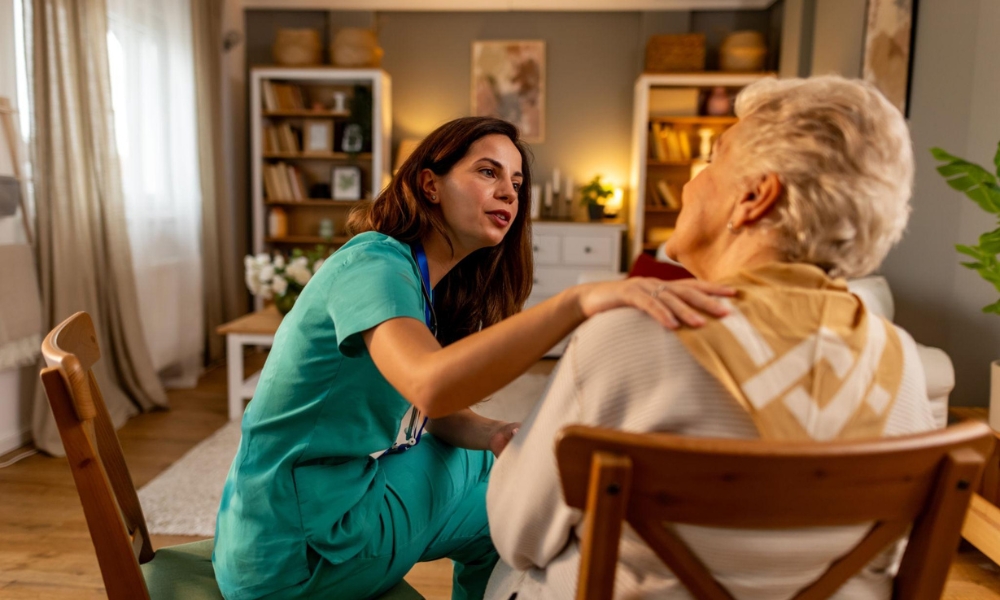
Home care refers to non-medical support services that help individuals manage everyday activities while remaining safely in their own homes.
Unlike home health care, home care does not usually involve medical treatment or services provided by licensed healthcare professionals. Instead, it focuses on helping people maintain comfort, safety, and independence with daily routines.
Common home care services may include:
- Assistance with bathing and grooming
- Meal preparation
- Light housekeeping
- Transportation assistance
- Companionship
- Help with daily routines
- Medication reminders
For example, an older adult who is healthy but needs help preparing meals, running errands, or maintaining household routines may benefit from home care services.
Home care can also provide valuable support for family caregivers who need additional assistance caring for an aging parent or loved one.
Many families choose caregiver services because they want their loved ones to continue living independently while receiving help with activities that have become more challenging.
It is important to understand that home care and home health care are not competing services. In some situations, patients may benefit from both. Someone recovering from surgery may need skilled nursing and physical therapy through home health care while also receiving personal care assistance through home care.
What Is the Difference Between Home Health Care and Home Care?
The main difference between home health care and home care is the type of support provided.
Home health care provides medical services. It is focused on treatment, recovery, rehabilitation, and managing health conditions. Services are delivered by licensed professionals such as registered nurses, physical therapists, occupational therapists, and speech therapists.
Home care provides personal and daily living assistance. It helps individuals with routine activities, comfort, safety, and companionship.
| Home Health Care | Home Care |
|---|---|
| Medical care provided by licensed professionals | Non-medical assistance and caregiver support |
| Requires physician involvement | Usually arranged based on personal needs |
| Includes nursing and therapy services | Includes personal care and household assistance |
| Often used after surgery, illness, or injury | Often used for daily living support |
| May qualify for Medicare coverage | Usually paid privately or through other programs |
Understanding this distinction is especially important when someone’s health needs change. A person who only needs help with meals and transportation may not need skilled medical care. However, someone recovering from hospitalization or managing a complex condition may require professional healthcare services at home.
Home Health Care vs Home Care Services Comparison
Although both services take place in the home, the daily experience for patients can be very different.
Medical Support
Home health care includes medical services that require specialized training. Nurses may monitor vital signs, manage medications, provide wound care, and communicate changes in health conditions with physicians.
Home care workers generally provide supportive assistance rather than medical treatment. Their role is focused on helping individuals complete daily activities safely and comfortably.
Healthcare Goals
The goal of home health care is usually recovery, rehabilitation, or disease management. Treatment plans are created around medical outcomes such as improving mobility, controlling symptoms, or recovering after an illness.
The goal of home care is maintaining quality of life and helping individuals continue daily routines with greater independence.
Both forms of care can provide meaningful support, but they address different needs.
The Role of Skilled Nursing in Home Health Care
One of the biggest differences between home health care and home care is the availability of skilled nursing services. Skilled nursing involves medical care provided by licensed nurses who have the training and experience to manage complex health needs.
Patients who require skilled nursing often have conditions that need professional monitoring, treatment adjustments, or medical education. These services are not simply about providing assistance with daily activities. They involve clinical decision-making and coordination with healthcare providers.
Examples of skilled nursing services provided at home may include:
- Monitoring chronic conditions such as diabetes, heart disease, or COPD
- Medication management and education
- Wound care and dressing changes
- Post-surgical monitoring
- Injection administration when medically required
- Patient and caregiver education
- Assessment of symptoms and changes in health status
For example, an older adult recovering after a hospital stay may need a nurse to monitor recovery progress, review medications, and identify early signs of complications.
A patient with diabetes may need education about blood sugar management, while someone recovering from surgery may require wound monitoring and follow-up care.
These situations require medical expertise, which is why skilled nursing is considered a home health service rather than traditional home care.
Learn more about skilled nursing care at home and how professional nursing support can help patients recover safely in their own environment.
What Are Personal Care Services?
Personal care services are designed to help individuals with everyday tasks that may become difficult because of aging, disability, limited mobility, or changes in independence.
Unlike skilled nursing, personal care does not involve medical treatment. Instead, it focuses on helping people maintain dignity, comfort, and safety while completing daily activities.
Examples of personal care services include:
- Assistance with bathing and grooming
- Help with dressing
- Mobility support around the home
- Meal preparation
- Assistance with personal routines
- Companionship and social interaction
For many seniors, receiving help with daily tasks allows them to remain at home longer while maintaining independence.
Personal care can also provide peace of mind for family members who may not always be available to assist with everyday needs.
However, personal care services are not designed to replace medical professionals. If a person needs wound care, rehabilitation therapy, medication management, or medical monitoring, home health care may be the more appropriate option.
Who Needs Home Health Care?
Home health care is generally recommended for individuals who need skilled medical services but can safely receive treatment in their own home.
Common situations where home health care may be appropriate include:
Recovery After Surgery
After surgery, many patients need professional support during the recovery process. A nurse may monitor healing, while therapists help restore strength and movement.
For example, someone recovering from joint replacement surgery may benefit from physical therapy to improve mobility and reduce the risk of complications.
Learn more about home health care after surgery and how in-home services support recovery.
Chronic Disease Management
People living with chronic conditions often require ongoing monitoring and education.
Conditions that may benefit from home health support include:
- Diabetes
- Congestive heart failure
- Chronic obstructive pulmonary disease (COPD)
- High blood pressure
- Neurological conditions
Home health professionals can help patients understand their condition, follow treatment plans, and recognize warning signs that require medical attention.
Mobility Challenges and Rehabilitation
Patients recovering from injuries, falls, strokes, or extended hospital stays may experience weakness and difficulty moving safely.
Physical and occupational therapists help patients rebuild strength, improve balance, and regain confidence with daily activities.
For patients who have difficulty traveling, in-home physical therapy provides rehabilitation in the environment where daily challenges occur.
Patients Recovering From Hospitalization
The transition from hospital to home can be a vulnerable time. Some patients may feel better but still require medical monitoring and support.
Home health care helps bridge this gap by providing professional care during recovery and helping prevent avoidable complications.
Who Needs Home Care Services?
Home care is often beneficial for individuals who do not require medical treatment but need assistance maintaining their daily lifestyle.
Common examples include:
- Seniors who need help with household tasks
- Adults who want additional daily support
- Individuals who need companionship
- People with limited mobility who need personal assistance
- Families looking for caregiver support
For example, an older adult may be able to manage their health independently but struggle with cooking, cleaning, transportation, or remembering daily routines.
A caregiver can provide practical support while helping the individual remain active and connected within their community.
Home care can be especially valuable for families who want to support aging loved ones while balancing work, personal responsibilities, and other commitments.
Does Medicare Cover Home Health Care or Home Care?
One of the most common questions families ask is whether Medicare covers home health care or home care services.
Generally, Medicare may cover eligible home health care services when specific requirements are met. This usually includes medically necessary skilled services provided by a Medicare-certified home health agency.
Covered services may include:
- Skilled nursing
- Physical therapy
- Occupational therapy
- Speech therapy
- Certain medical social services
However, traditional Medicare usually does not cover ongoing non-medical home care when personal assistance is the only service needed.
For example, Medicare may cover a nurse visiting a patient after surgery to monitor recovery, but it generally does not cover someone providing long-term housekeeping or companionship alone.
This difference is why understanding the type of care needed is so important.
Families who are unsure about eligibility can review patient eligibility requirements or discuss options with a healthcare provider.

Important Note
It is normal for families to feel uncertain when deciding between home health care and home care. Some needs may be temporary, while others may require ongoing support. Avoid trying to diagnose care needs based only on age or appearance. A healthcare professional can help determine whether someone needs skilled medical services, personal care assistance, or a combination of both.
Can Someone Receive Both Home Health Care and Home Care?
Yes, some individuals may benefit from both types of services depending on their situation.
For example, an older adult recovering from surgery may receive:
- Skilled nursing visits for medical monitoring
- Physical therapy to improve mobility
- Personal care assistance with bathing, meals, and daily routines
These services address different needs but can work together to provide complete support.
Home health care focuses on medical recovery and health management, while home care focuses on comfort, independence, and daily living assistance.
A coordinated approach allows patients to receive the right level of support without relying entirely on family caregivers.
How to Choose Between Home Health Care and Home Care
Choosing between home health care and home care depends on the individual’s current needs, medical condition, level of independence, and long-term goals.
Many families begin searching for care during stressful situations, such as after a hospitalization, sudden illness, surgery, or noticeable changes in an aging loved one’s abilities. During these moments, it can be difficult to know whether medical care or daily living support is the right solution.
A helpful first step is asking one important question:
“Does this person need medical treatment, or do they mainly need help with everyday activities?”
If Medical Treatment Is Needed, Home Health Care May Be Appropriate
Home health care may be the better choice when someone requires professional healthcare services, such as:
- Nursing care for a medical condition
- Recovery support after surgery
- Physical therapy for mobility problems
- Speech therapy after stroke or neurological conditions
- Medication monitoring
- Chronic disease management
For example, someone who recently had surgery may not only need help moving around the home but may also need a nurse to monitor healing and a therapist to rebuild strength.
In these situations, caregiver support alone may not address the medical needs of the patient.
If Daily Assistance Is Needed, Home Care May Be Appropriate
Home care may be a better option for individuals who are medically stable but need help with daily routines.
This may include:
- Preparing meals
- Running errands
- Providing companionship
- Helping with personal routines
- Assisting with household tasks
For many seniors, these services help maintain independence and allow them to continue living safely at home.
Consider the Person’s Current and Future Needs
Another important factor is recognizing that care needs can change over time.
A person may initially need home health care after surgery or illness and later transition to home care once medical treatment is complete. Others may require ongoing skilled services because of chronic health conditions.
Regular communication with healthcare providers helps families make decisions as needs evolve.
Questions to Ask Before Choosing a Home Care Provider
Selecting a care provider is an important decision. Whether you need medical home health services or personal caregiver support, choosing an experienced and trustworthy provider can make a major difference in the quality of care received.
Families may want to ask:
- Is the provider licensed and qualified to provide the needed services?
- Does the agency have experience with similar health conditions?
- How are caregivers or healthcare professionals trained?
- How does the provider communicate with family members?
- Are care plans personalized for each patient?
- How does the agency handle changes in a patient’s condition?
A reliable provider should focus on the patient as an individual rather than offering a one-size-fits-all approach.
Quality care involves understanding the patient’s medical history, personal preferences, comfort level, and goals.
Home Health Care vs Home Care in Houston
Families searching for support in Houston often find themselves comparing different types of in-home services. Understanding the difference between home health care and home care in Houston can help residents choose the appropriate solution for themselves or their loved ones.
Houston has a growing need for in-home healthcare services as more individuals prefer receiving support in familiar surroundings rather than spending extended time in hospitals or facilities.
Icon Home Health provides Medicare-certified home health services throughout Houston, Sugar Land, Katy, Richmond, Missouri City, Cypress, Fresno, Manvel, Alvin, and surrounding areas.
The focus is on providing personalized care plans designed around each patient’s medical needs and recovery goals.
Services available through Icon Home Health include:
- Skilled nursing
- Physical therapy
- Occupational therapy
- Speech therapy
- Chronic disease management
- Home health care coordination
For patients who need medical support at home, professional home health services can provide valuable assistance during recovery and long-term condition management.
Families can learn more about available options by exploring home health care in Houston.
How Home Health Care Supports Recovery and Independence
One of the greatest benefits of home health care is that it allows patients to receive professional treatment while remaining in their own homes.
Recovery is often easier when patients are comfortable, surrounded by familiar belongings, and able to practice daily activities in their actual living environment.
For example, a physical therapist can identify challenges such as difficulty climbing stairs or moving safely through the home. An occupational therapist can recommend adjustments that make daily activities easier.
This personalized approach helps patients build confidence while working toward independence.
Home health care can support individuals experiencing:
- Post-surgical recovery
- Mobility limitations
- Balance problems
- Chronic illness management
- Stroke recovery
- Age-related health challenges
Patients who need rehabilitation services may benefit from in-home physical therapy, where treatment is designed around their specific environment and abilities.
Why Families Choose Care at Home Instead of Facilities
Many families choose in-home care because they want their loved ones to receive support without leaving the comfort of home.
Home-based services provide several advantages:
Comfort and Familiarity
Home is often where people feel safest and most comfortable. Receiving care in a familiar environment can reduce stress and make recovery feel more manageable.
Personalized Attention
Care provided at home is focused on the individual. Healthcare professionals and caregivers can better understand the person’s routines, challenges, and goals.
Family Involvement
Families can remain actively involved in care decisions and communicate more easily with the care team.
Greater Independence
The goal of quality care is not to take away independence but to help people maintain it for as long as possible.
Frequently Asked Questions About Home Health Care vs Home Care
Can home health care and home care be used together?
Yes, some individuals benefit from both home health care and home care services at the same time. These services provide different types of support and can complement each other.
For example, a patient recovering after surgery may receive skilled nursing and physical therapy through home health care while also receiving personal care assistance with bathing, meals, and daily routines through caregiver services.
Using both types of support can help address medical needs while also making everyday life safer and easier.
Is a home health nurse the same as a caregiver?
No. A home health nurse and a caregiver have different roles.
A home health nurse is a licensed healthcare professional who provides medical services such as wound care, medication management, health assessments, and chronic condition monitoring.
A caregiver generally provides non-medical support, such as companionship, personal assistance, meal preparation, and help with daily activities.
What type of care does an elderly person usually need at home?
The type of care an elderly person needs depends on their health condition and level of independence.
An older adult who needs help with daily activities may benefit from home care services. Someone recovering from surgery, managing a chronic illness, or needing rehabilitation may require home health care.
A healthcare assessment can help determine the appropriate level of support.
How do I know if my loved one needs home health care?
Your loved one may need home health care if they require skilled medical services, have difficulty recovering after an illness or surgery, need therapy, or require professional monitoring of a health condition.
Signs that home health care may be appropriate include:
- Difficulty managing medications
- Reduced mobility after hospitalization
- New weakness or balance problems
- Need for wound care
- Difficulty managing chronic conditions
- Need for rehabilitation services
What services are included in caregiver services?
Caregiver services generally include support with daily living activities rather than medical treatment.
Services may include personal care assistance, companionship, meal preparation, transportation help, and support with household routines.
The goal is to help individuals remain comfortable, safe, and independent at home.
How long can someone receive home health care?
The length of home health care depends on the patient’s condition, recovery progress, and medical needs.
Some patients require short-term care after surgery or illness, while others may need ongoing support for chronic conditions.
The healthcare team regularly evaluates progress and adjusts services based on changing needs.
Making the Right Choice: Home Health Care or Home Care?
When families compare home health care vs home care, the most important factor is not which service is better, but which service matches the person’s actual needs.
Home health care and home care serve different purposes. One focuses on medical treatment and recovery, while the other focuses on daily support, comfort, and maintaining independence.
A patient recovering from surgery may need skilled nursing and therapy services to heal properly. An older adult who is healthy but needs help with daily activities may benefit from caregiver services instead.
The right choice begins with understanding the individual’s situation.
Ask:
- Does the person need medical treatment?
- Are there health conditions requiring professional monitoring?
- Is the main challenge completing daily activities?
- Does the person need rehabilitation or personal assistance?
- Would support help them remain safely at home?
Answering these questions can help families identify whether home health care, home care, or a combination of both would provide the best support.
The Importance of Personalized Care Plans
Every individual has different health goals, challenges, and preferences. Quality care should never follow a one-size-fits-all approach.
A personalized care plan considers:
- The patient’s medical history
- Current health conditions
- Mobility and independence level
- Recovery goals
- Family involvement
- Safety concerns at home
For home health care patients, this may involve coordination between physicians, nurses, therapists, and caregivers to ensure everyone is working toward the same goals.
For home care patients, personalization may mean matching caregiver support with the individual’s lifestyle, preferences, and daily routine.
The ultimate goal is to help people live safely, comfortably, and with as much independence as possible.
How Icon Home Health Helps Patients Receive Quality Care at Home
Choosing a trusted home health provider can make a significant difference when someone needs professional support after illness, surgery, or a change in health status.
Icon Home Health provides compassionate, patient-centered home health services designed to support recovery, independence, and quality of life throughout Houston and surrounding communities.
Our Medicare-certified team works with physicians and families to create personalized care plans based on each patient’s needs.
Services include:
- Skilled nursing services
- Physical therapy
- Occupational therapy
- Speech therapy
- Chronic condition management
- Post-surgical care support
Whether someone needs rehabilitation after surgery, assistance managing a chronic condition, or professional medical care in the comfort of home, having the right healthcare team can make recovery easier and safer.
Learn more about home health services offered by Icon Home Health and discover how personalized in-home care can support your healthcare journey.
Final Thoughts: Understanding the Difference Between Home Health and Home Care
The difference between home health care and home care comes down to one key factor: medical needs versus daily living support.
Home health care provides skilled medical services from licensed professionals, making it appropriate for patients recovering from illness, surgery, injury, or managing complex health conditions.
Home care provides non-medical assistance that helps individuals with everyday activities, personal care, and maintaining independence.
Both options play an important role in supporting individuals who want to remain safely at home.
If you are unsure which type of care is right for you or your loved one, speaking with a healthcare professional can help identify the appropriate level of support.
Medical Disclaimer
This article is intended for informational purposes only and should not replace professional medical advice, diagnosis, or treatment. Every individual’s healthcare needs are different. Always consult a qualified healthcare provider to determine the appropriate type of care for your specific situation.
Contact Icon Home Health Today
If you or a loved one needs compassionate, professional healthcare support at home, Icon Home Health is here to help.
Our experienced team provides personalized Medicare-certified home health services throughout Houston and surrounding areas, helping patients recover, manage health conditions, and maintain independence.
Contact Icon Home Health today to learn more about our in-home healthcare services and discover the right care solution for your needs.