

Maintaining independence is one of the most important goals for many seniors and individuals recovering from illness, injury, or surgery. Being able to complete everyday activities—such as getting dressed, preparing meals, bathing, or moving safely around the home—can have a significant impact on confidence and quality of life.
However, health challenges can sometimes make these daily tasks more difficult.
After a stroke, surgery, injury, or medical condition, a person may struggle with movement, coordination, strength, memory, or the ability to complete familiar routines. This is where occupational therapy at home can provide valuable support.
Many people misunderstand occupational therapy and assume it is only related to employment or workplace skills. In healthcare, occupational therapy focuses on helping individuals participate in the activities that are meaningful and necessary in their daily lives.
A home occupational therapist works with patients in their actual living environment to identify challenges, develop personalized strategies, and improve independence.
Families often ask:
- What does occupational therapy at home include?
- Who needs home occupational therapy?
- How can occupational therapy help seniors?
- Can occupational therapy improve independence after a stroke?
- What daily activities can occupational therapy help with?
This guide explains how home occupational therapy works, who can benefit from it, and how rehabilitation services help patients regain confidence and independence at home.
Table of Contents
- Important Note
- What Is Occupational Therapy at Home?
- How Does Home Occupational Therapy Work?
- Who Can Benefit From Occupational Therapy at Home?
- Occupational Therapy and Daily Living Activities
- Occupational Therapy for Senior Independence
- Occupational Therapy After Stroke
- Occupational Therapy After Surgery or Injury
- Home Safety and Occupational Therapy
- Occupational Therapy as Rehabilitation Services
- Home Occupational Therapy in Houston
- Frequently Asked Questions
- Medical Disclaimer
Important Note
Occupational therapy is not about taking away independence or telling patients what they cannot do. Instead, it focuses on finding safer and easier ways for individuals to complete meaningful activities while adapting to their current abilities and health needs.
What Is Occupational Therapy at Home?
Occupational therapy at home is a rehabilitation service that helps patients improve their ability to perform everyday activities in their own living environment.
Unlike therapy provided only in a clinic, home occupational therapy allows therapists to evaluate the actual challenges a person faces during daily routines.
An occupational therapist may observe how a patient:
- Moves around the home
- Gets dressed
- Uses the bathroom
- Prepares meals
- Completes personal care activities
- Uses household equipment
This real-life approach allows therapy plans to be personalized based on the patient’s goals and environment.
The main goal of occupational therapy is to help individuals become as independent as possible while improving safety and confidence.
What Does an Occupational Therapist Do?
An occupational therapist evaluates a person’s physical, cognitive, and emotional abilities to understand what may be affecting daily activities.
They create customized treatment plans focused on improving function and helping patients participate in activities that matter to them.
Occupational therapists may help with:
- Improving coordination and movement
- Building confidence with daily tasks
- Teaching adaptive techniques
- Recommending safety equipment
- Improving problem-solving skills
- Supporting recovery after illness or injury
The focus is always on helping patients achieve practical improvements that make everyday life easier.
How Does Home Occupational Therapy Work?
The process usually begins with an evaluation of the patient’s abilities, challenges, and personal goals.
Because therapy happens at home, the occupational therapist can better understand the patient’s daily environment and identify specific barriers.
1: Initial Assessment
During the first visit, the therapist reviews the patient’s health history, current abilities, and areas where support is needed.
The assessment may include:
- Mobility evaluation
- Balance assessment
- Upper body movement review
- Ability to complete daily tasks
- Home environment evaluation
2: Creating a Personalized Treatment Plan
After understanding the patient’s needs, the therapist develops a plan focused on specific goals.
Goals may include:
- Dressing independently
- Improving bathroom safety
- Returning to hobbies
- Preparing meals safely
- Improving confidence with movement
3: Practicing Real-Life Activities
One of the biggest benefits of home occupational therapy is practicing skills in the environment where they are actually used.
Instead of practicing only exercises, patients work on real-life activities that directly improve their independence.
Who Can Benefit From Occupational Therapy at Home?
Many different patients may benefit from home occupational therapy, especially those who experience challenges completing daily activities.
Common reasons someone may receive occupational therapy include:
Seniors Experiencing Mobility Changes
As people age, changes in strength, balance, and coordination may make everyday activities more challenging.
Occupational therapy can help seniors maintain independence by teaching safer ways to complete daily routines.
Patients Recovering After a Stroke
Stroke recovery may affect movement, coordination, communication, memory, and daily functioning.
Occupational therapy helps patients relearn skills and adapt to changes so they can participate more independently in everyday life.
Individuals Recovering After Surgery
After surgery, patients may temporarily experience weakness, limited movement, or difficulty completing normal activities.
Occupational therapy supports recovery by helping patients safely return to their daily routines.
People Managing Chronic Conditions
Chronic conditions may affect energy levels, movement, or the ability to complete activities independently.
Therapy helps patients develop strategies that make daily life more manageable.
Learn more about home health care after hospital discharge and how rehabilitation support can help patients transition safely back home.
Occupational Therapy and Daily Living Activities
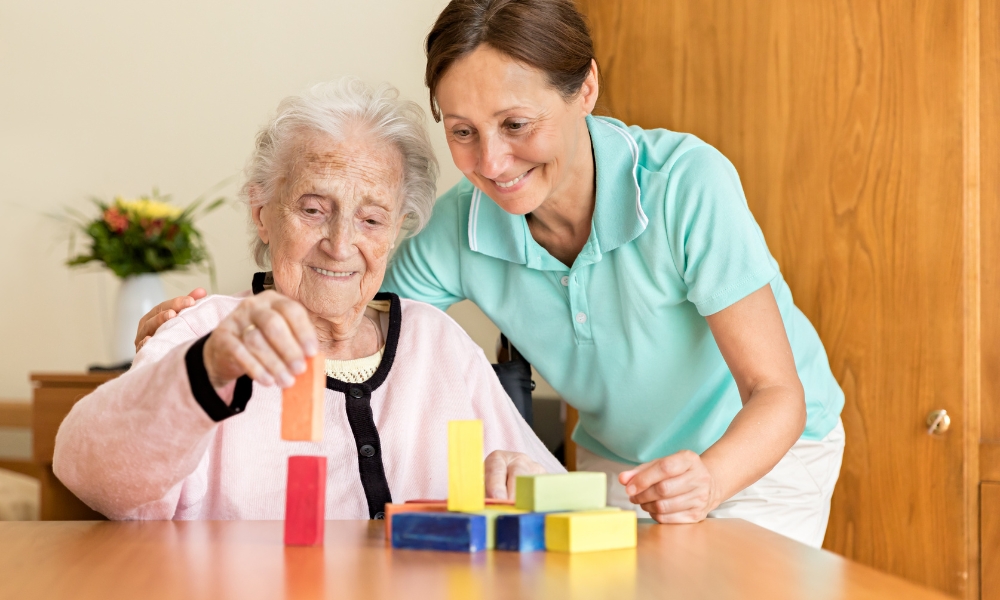
One of the main focuses of occupational therapy is helping patients improve their ability to complete daily living activities, also known as activities of daily living (ADLs).
These are the everyday tasks people perform to take care of themselves and maintain independence.
When illness, injury, or age-related changes make these activities difficult, occupational therapy provides strategies and training to help patients regain function.
Personal Care Activities
Personal care is an important part of independence. Occupational therapists help patients find safer ways to complete activities such as:
- Bathing
- Getting dressed
- Brushing teeth
- Grooming
- Using the restroom
For some individuals, the challenge may be physical, such as reduced strength or movement. For others, it may involve balance, coordination, memory, or confidence.
An occupational therapist can recommend techniques, exercises, or adaptive equipment to make these tasks easier and safer.
Meal Preparation and Kitchen Activities
Preparing meals is another important part of independent living.
After an injury, surgery, or health condition, a person may have difficulty standing for long periods, reaching items, handling kitchen tools, or remembering steps in a routine.
Occupational therapy may focus on:
- Safe kitchen organization
- Energy conservation techniques
- Improving hand coordination
- Using adaptive tools when needed
- Creating safer meal preparation routines
Household Tasks and Community Activities
Independence also includes activities outside of basic self-care.
Occupational therapy can help patients work toward goals such as:
- Managing household routines
- Handling personal items safely
- Returning to hobbies
- Improving confidence when leaving the home
- Participating in social activities
The goal is to help patients continue participating in the activities that bring meaning to their lives.
Occupational Therapy for Senior Independence
For many older adults, maintaining independence is one of their highest priorities.
Changes in strength, balance, vision, or health conditions may make certain tasks more difficult, but occupational therapy can help seniors adapt and continue living safely at home.
Senior independence does not mean doing everything without assistance. It means having the ability, confidence, and support needed to participate in daily life as safely as possible.
Helping Seniors Stay Independent at Home
An occupational therapist works with seniors to identify challenges and develop practical solutions.
This may include:
- Improving bathroom safety
- Recommending home modifications
- Teaching safer movement techniques
- Improving confidence with daily activities
- Helping families understand support needs
Small changes can often make a significant difference in a senior’s ability to continue living comfortably at home.
Supporting Aging in Place
Many seniors prefer to remain in the homes they know and love rather than moving to a different living environment.
Occupational therapy supports aging in place by helping individuals adapt their routines and surroundings to match their abilities.
This may include identifying safety concerns and finding solutions that allow seniors to maintain their independence.
Learn more about how home health care improves quality of life and supports seniors who want to remain comfortable at home.
Occupational Therapy After Stroke: Rebuilding Daily Skills
A stroke can affect many areas of a person’s life, including movement, coordination, memory, communication, and the ability to complete everyday tasks.
Home occupational therapy is often an important part of stroke rehabilitation because it focuses on helping patients regain practical skills needed for daily living.
How Occupational Therapy Helps Stroke Recovery
After a stroke, an occupational therapist evaluates which activities have become challenging and develops strategies to improve independence.
Therapy may focus on:
- Improving arm and hand function
- Practicing self-care activities
- Developing safer movement strategies
- Improving coordination
- Adapting tasks to current abilities
Adapting to Changes After Stroke
Recovery after a stroke is different for every person.
Some individuals regain abilities quickly, while others need longer-term rehabilitation support.
Occupational therapists help patients focus on realistic goals and develop techniques that allow them to participate more fully in daily activities.
Learn more about stroke recovery at home and how home-based rehabilitation supports patients and families after stroke.
Occupational Therapy After Surgery or Injury
Recovery after surgery or injury often involves more than healing physically. Patients may also need help returning to their normal routines.
Limited movement, weakness, pain, or reduced confidence can affect a person’s ability to complete everyday tasks.
Occupational therapy helps bridge the gap between medical recovery and returning to independent living.
Common Goals After Surgery
Depending on the patient’s condition, occupational therapy may focus on:
- Returning to self-care activities
- Improving movement and coordination
- Learning safer ways to complete tasks
- Managing fatigue during recovery
- Using adaptive equipment when needed
Why Home-Based Rehabilitation Is Helpful
Recovering in the home environment allows therapists to address real challenges patients face every day.
For example, an occupational therapist can help a patient safely navigate their bathroom, bedroom, kitchen, and other areas of the home.
This practical approach can make recovery more meaningful and easier to apply.
Important Note
Every person’s recovery journey is different. Occupational therapy goals are created based on the patient’s abilities, medical condition, personal priorities, and home environment. The purpose is to support progress at a safe and comfortable pace while encouraging independence.
How Occupational Therapy Improves Home Safety
A safe home environment is an important part of maintaining independence.
Occupational therapists often evaluate how a person’s home setup affects their ability to move safely and complete daily tasks.
They may identify potential concerns such as:
- Difficulty navigating narrow spaces
- Unsafe bathroom setups
- Challenges reaching important items
- Problems with furniture placement
- Need for adaptive equipment
Home Modifications Recommended by Occupational Therapists
Depending on the patient’s needs, recommendations may include:
- Improving lighting
- Adding safety equipment
- Rearranging frequently used items
- Creating easier access areas
- Using supportive devices
The goal is to create a home environment that supports safe movement without making the patient feel limited.
Learn more about fall prevention for seniors and how safety strategies can help older adults remain independent at home.
Occupational Therapy as Part of Complete Rehabilitation Services
Recovery after an illness, injury, or medical procedure often requires more than one type of support. Rehabilitation services are designed to help patients regain function, improve safety, and return to meaningful daily activities.
Occupational therapy is one important part of a complete rehabilitation plan. Depending on a patient’s needs, it may be combined with physical therapy, speech therapy, skilled nursing, and other healthcare services.
Each service has a different focus:
- Occupational therapy: Helps patients improve independence with daily activities and adapt to changes in abilities.
- Physical therapy: Focuses on improving strength, balance, mobility, and movement.
- Speech therapy: Supports communication, swallowing, and cognitive skills when needed.
- Skilled nursing: Provides medical monitoring, education, and clinical support.
When these services work together, patients receive more complete support throughout their recovery journey.
Occupational Therapy and Physical Therapy: What Is the Difference?
Many families are unsure about the difference between occupational therapy and physical therapy because both help patients improve function.
The main difference is the focus of treatment.
Physical therapy primarily focuses on movement, strength, balance, and mobility. Occupational therapy focuses on helping patients use those abilities to complete everyday activities.
For example:
- A physical therapist may help a patient improve walking ability.
- An occupational therapist may help that same patient safely use those walking skills to complete daily routines at home.
Many patients benefit from both types of therapy depending on their individual goals.
Learn more about physical therapy at home and how home-based rehabilitation supports recovery and mobility.
How Skilled Nursing Supports Occupational Therapy Goals
Skilled nursing often works alongside occupational therapy to provide complete support for patients recovering at home.
While occupational therapists focus on improving daily function, nurses help manage medical needs that may affect recovery.
A skilled nurse may support patients by:
- Monitoring health conditions
- Managing medications
- Providing patient education
- Communicating with physicians
- Identifying changes in health status
This collaboration helps ensure that therapy goals are supported by proper medical care.
Supporting Seniors With Multiple Healthcare Needs
Many seniors manage several health concerns at the same time. For example, an older adult recovering after surgery may also have diabetes, mobility challenges, or medication needs.
A coordinated home healthcare approach allows different professionals to work together toward a shared goal: helping the patient remain safe and independent at home.
Learn more about skilled nursing care at home and how professional nursing support helps patients manage complex healthcare needs.
Home Occupational Therapy Services in Houston, Sugar Land, Katy, and Surrounding Areas
For families searching for occupational therapy at home, receiving care in a familiar environment can make rehabilitation more comfortable and practical.
Icon Home Health provides compassionate home-based healthcare services designed to help patients improve independence and quality of life.
Our rehabilitation services support individuals who need help with:
- Daily living activities
- Recovery after illness or injury
- Stroke rehabilitation
- Post-surgical recovery
- Mobility challenges
- Senior independence
- Home safety improvements
Services are available throughout:
- Houston
- Sugar Land
- Katy
- Richmond
- Missouri City
- Cypress
- Fresno
- Manvel
- Alvin
- Nearby communities
Our healthcare professionals work with patients and families to develop personalized plans focused on safety, confidence, and meaningful progress.
Why Choose Icon Home Health for Occupational Therapy at Home?
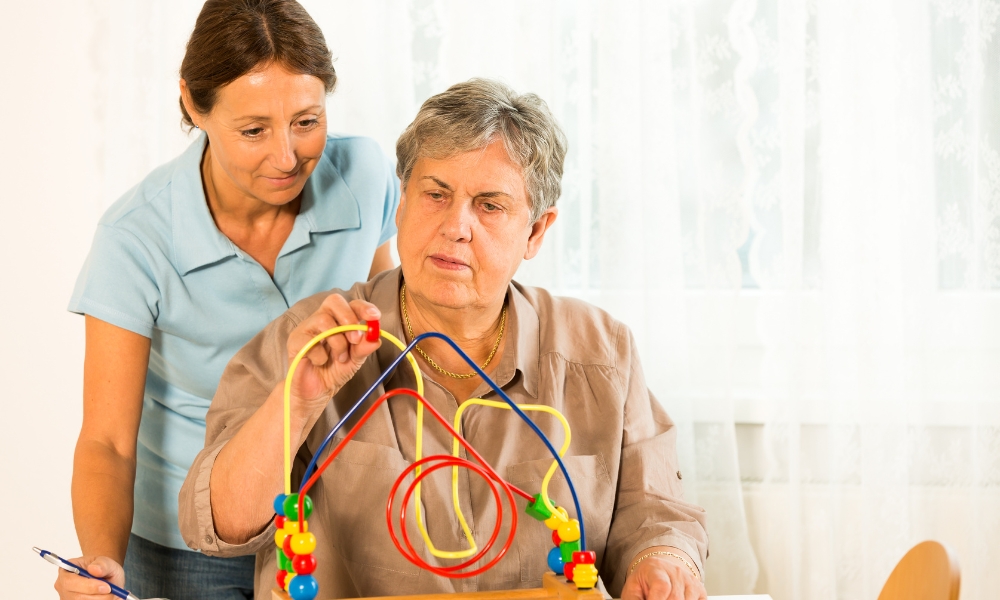
Regaining independence after a health challenge requires more than exercises or medical treatment. It requires understanding the patient’s personal goals and creating care that fits their daily life.
At Icon Home Health, our team provides patient-centered rehabilitation services designed around individual needs.
Our approach focuses on helping patients:
- Improve confidence with daily activities
- Return to meaningful routines
- Increase safety at home
- Develop strategies for independence
- Receive coordinated healthcare support
We understand that every patient’s recovery journey is unique. Our goal is to provide compassionate support that helps individuals live as independently as possible.
Whether someone is recovering from surgery, managing a chronic condition, or adapting to changes after an illness, Icon Home Health is committed to helping patients achieve their personal goals at home.
Frequently Asked Questions About Occupational Therapy at Home
What is occupational therapy at home?
Occupational therapy at home is a rehabilitation service where an occupational therapist helps patients improve their ability to complete daily activities in their own home environment.
What does a home occupational therapist do?
A home occupational therapist evaluates a patient’s abilities, identifies challenges, provides exercises and strategies, recommends adaptations, and helps improve independence with everyday tasks.
Who needs occupational therapy at home?
People recovering from surgery, stroke, injury, illness, or those experiencing age-related changes may benefit from home occupational therapy.
How does occupational therapy help seniors?
Occupational therapy helps seniors maintain independence by improving daily living skills, increasing safety, adapting the home environment, and building confidence.
What daily activities can occupational therapy help with?
Occupational therapy can help with activities such as bathing, dressing, grooming, meal preparation, household tasks, and safely participating in hobbies.
Can occupational therapy help after a stroke?
Yes. Occupational therapy is often an important part of stroke rehabilitation because it helps patients regain skills needed for daily living and adapt to changes after a stroke.
What is the difference between occupational therapy and physical therapy?
Physical therapy focuses mainly on movement, strength, and mobility, while occupational therapy focuses on using those abilities to complete daily activities and improve independence.
Does Medicare cover occupational therapy at home?
Medicare may cover certain home occupational therapy services when eligibility requirements are met and services are provided through an approved home health agency.
How long does home occupational therapy take?
The length of therapy depends on the patient’s condition, goals, progress, and healthcare needs. Each treatment plan is personalized.
How can I start occupational therapy at home?
The process usually begins by discussing therapy needs with a healthcare provider and contacting a qualified home healthcare agency.
Final Thoughts: Helping Patients Regain Independence Through Home Occupational Therapy
Losing the ability to complete everyday activities can be frustrating and challenging, but rehabilitation can help patients regain confidence and independence.
Occupational therapy at home provides personalized support that focuses on real-life activities, allowing patients to practice skills in the environment where they matter most.
From helping seniors maintain independence to supporting recovery after stroke, surgery, or illness, occupational therapy plays an important role in improving quality of life.
With the right combination of therapy, skilled nursing, and rehabilitation services, many patients can continue participating in the activities that bring meaning and comfort to their lives.
If you or a loved one needs professional home-based rehabilitation support, Icon Home Health is here to help.
Contact Icon Home Health today to learn how our occupational therapy and home healthcare services can support your recovery and independence.
Medical Disclaimer
This article is for informational purposes only and does not replace professional medical advice, diagnosis, or treatment. Every patient’s healthcare needs are different. Always consult a qualified healthcare professional before starting any rehabilitation program or making healthcare decisions.