When a loved one is recovering from surgery, managing a chronic illness, or experiencing health challenges that make frequent medical appointments difficult, one question often comes up:
“Can a nurse come to my house?”
The answer is often yes.
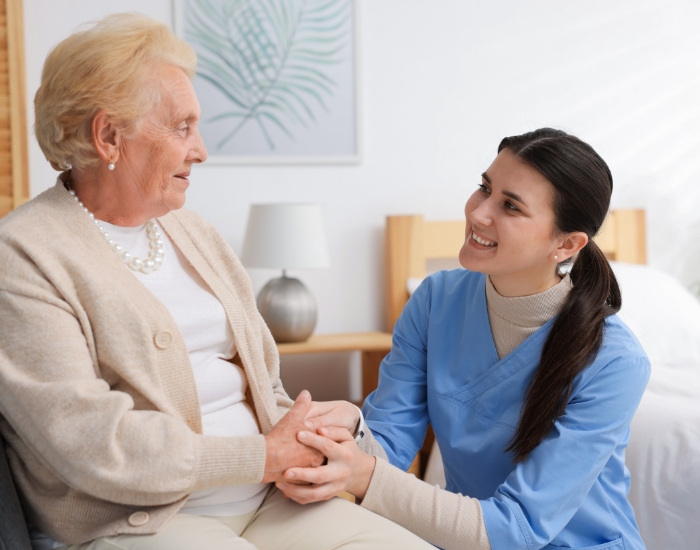
Many people are surprised to learn that professional nursing care can be delivered directly in the comfort of their home. Through home health care programs, qualified nurses provide medical services that help patients recover safely, manage health conditions, and avoid unnecessary hospital visits.
For seniors, individuals with chronic illnesses, patients recovering after surgery, and those needing ongoing medical monitoring, home nursing services can offer a valuable alternative to frequent trips to healthcare facilities.
Home nursing is not simply about convenience. It can improve recovery outcomes, enhance safety, support independence, and provide peace of mind for both patients and family members.
Families frequently ask:
- Can a nurse visit me at home?
- What does a home nurse do?
- Who qualifies for home nursing services?
- Does Medicare cover home nursing?
- How often can a nurse visit my home?
- What conditions require skilled nursing care?
This guide explains how home nursing works, what services nurses provide, who may qualify, and how professional nursing care supports patients throughout Houston and surrounding communities.
Table of Contents
- Important Note
- What Are Home Nursing Services?
- Can a Nurse Really Come to My House?
- What Is Skilled Nursing Care?
- Services a Home Nurse Can Provide
- Who May Need Home Nursing Services?
- Medical Conditions Often Supported by Home Nursing
- Does Medicare Cover Home Nursing?
- Benefits of Nurse Visits at Home
- Home Nursing Services in Houston
- Frequently Asked Questions
- Medical Disclaimer
Important Note
Many people delay seeking help because they assume nursing care is only available in hospitals or nursing facilities. In reality, professional nursing services can often be delivered at home, allowing patients to receive personalized medical support while remaining in a familiar and comfortable environment. Understanding your options early may help prevent complications and improve recovery outcomes.
What Are Home Nursing Services?
Home nursing services refer to professional medical care provided by licensed nurses in a patient’s home.
These services are typically part of a broader home health care plan and are designed to help patients manage health conditions safely outside of a hospital or clinical setting.
Unlike non-medical caregiving services that focus primarily on companionship or assistance with daily activities, home nursing involves skilled medical care provided by trained healthcare professionals.
Depending on a patient’s needs, home nursing may include:
- Health assessments
- Medication management
- Wound care
- Monitoring chronic conditions
- Patient education
- Post-surgical care
- Disease management support
- Communication with physicians
The goal is to help patients receive appropriate medical care while maintaining comfort, safety, and independence at home.
Learn more about home health care in Houston and how nursing services fit into a comprehensive care plan.
Can a Nurse Really Come to My House?
Yes, in many situations, a licensed nurse can visit your home.
Home nursing services are commonly used by patients who need medical monitoring, treatment, education, or recovery support but do not require hospitalization.
For example, a nurse may visit a patient who recently underwent surgery and needs wound monitoring. Another patient may require assistance managing medications after a hospital discharge. Someone living with heart failure or diabetes may benefit from regular nursing visits that help monitor symptoms and prevent complications.
These visits are typically scheduled based on physician recommendations and the patient’s medical needs.
Some patients may need short-term nursing care during recovery, while others may benefit from ongoing support for chronic conditions.
The exact frequency and duration of visits depend on individual circumstances and care goals.
What Is Skilled Nursing Care?
One of the most common terms associated with home nursing is skilled nursing care.
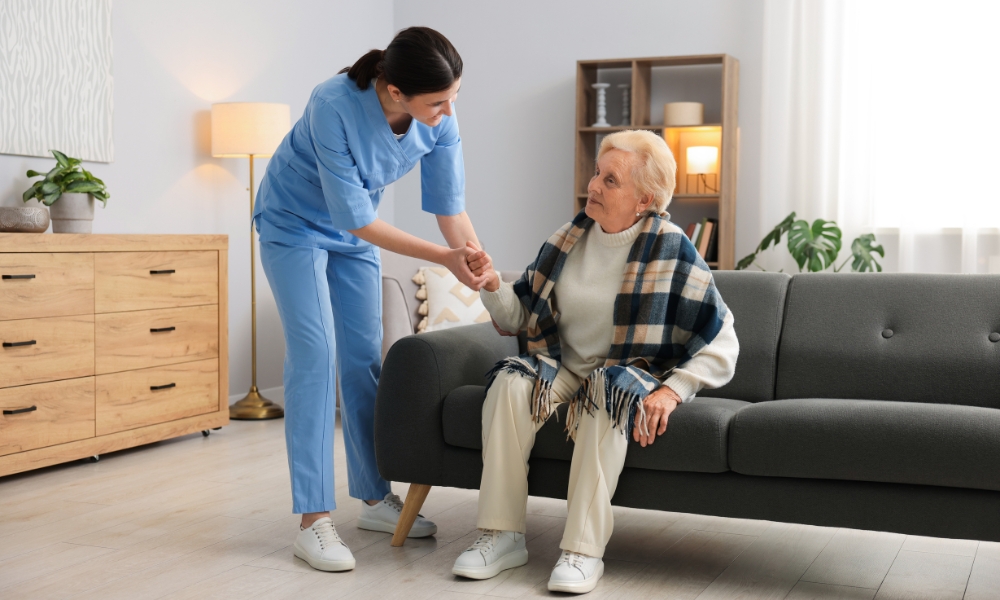
Skilled nursing refers to medical services that require the expertise of licensed healthcare professionals, such as registered nurses (RNs) or licensed vocational nurses (LVNs).
These services go beyond basic assistance and involve clinical knowledge, assessment skills, and medical judgment.
Examples of skilled nursing services include:
- Monitoring health conditions
- Medication management and education
- Wound care and dressing changes
- Post-operative monitoring
- Disease management
- Pain assessment
- Health education
- Coordination with physicians
Skilled nurses play a critical role in helping patients recover safely and manage ongoing health challenges at home.
Learn more about skilled nursing care at home and how professional nursing support contributes to better health outcomes.
What Services Can a Home Nurse Provide?
Many people assume home nurses only check vital signs during visits. In reality, nursing services often involve a much broader range of responsibilities.
Home nurses provide individualized care based on each patient’s condition, treatment plan, and recovery goals.
Common services may include:
Health Assessments
Nurses evaluate a patient’s overall condition, monitor symptoms, assess progress, and identify potential concerns that may require medical attention.
Medication Management
Understanding medications can become complicated, especially when multiple prescriptions are involved. Nurses help patients follow medication instructions safely and correctly.
Wound Care
Patients recovering from surgery, injuries, or chronic wounds often require ongoing wound assessments and dressing changes.
Disease Management
Patients living with conditions such as diabetes, heart failure, COPD, and hypertension often benefit from regular monitoring and education.
Patient Education
One of the most important roles of a home nurse is teaching patients and families how to manage health conditions effectively.
Care Coordination
Nurses communicate with physicians and other healthcare providers to ensure care plans remain effective and appropriate.
Who May Need Home Nursing Services?
Home nursing services can benefit a wide variety of patients.
While seniors are among the most common recipients of home nursing care, these services are not limited to older adults.
Patients who may benefit include:
- Individuals recovering after surgery
- Patients recently discharged from the hospital
- People living with chronic illnesses
- Stroke survivors
- Patients requiring wound care
- Individuals with mobility limitations
- People managing complex medication regimens
- Patients requiring ongoing health monitoring
The need for home nursing is determined by a patient’s medical condition and physician recommendations rather than age alone.
Learn more about how to get home health care and what steps may be involved in obtaining services.
Medical Conditions Often Supported by Home Nursing Services
Many different health conditions may require ongoing monitoring, education, or medical support after a patient returns home. Home nursing services help bridge the gap between hospital care and independent living by providing professional healthcare support where patients feel most comfortable.
Some conditions commonly managed with home nursing include:
Diabetes Management
Diabetes requires careful monitoring to prevent complications and maintain healthy blood sugar levels.
A home nurse can help patients understand their condition, follow treatment plans, recognize warning signs, and develop better daily management habits.
Nursing support may include:
- Blood sugar monitoring education
- Medication guidance
- Foot care education
- Diet and lifestyle recommendations
- Monitoring for possible complications
For older adults or individuals newly diagnosed with diabetes, having professional guidance at home can make managing the condition less overwhelming.
Learn more about diabetes management home care and how healthcare professionals support diabetic patients at home.
Heart Failure and Cardiovascular Conditions
Patients with heart conditions often require careful monitoring because symptoms can change quickly.
Home nurses help monitor important health indicators, educate patients about lifestyle recommendations, and identify changes that may require physician attention.
For individuals with heart failure, nursing visits may help with:
- Symptom monitoring
- Medication understanding
- Weight monitoring education
- Recognizing signs of worsening condition
- Communication with healthcare providers
Learn more about heart failure management at home and how home health support helps patients manage cardiovascular conditions.
Stroke Recovery
Recovery after a stroke often requires multiple types of support, including nursing care, rehabilitation, and patient education.
A home nurse can help monitor recovery progress, support medication routines, and communicate concerns with the healthcare team.
Home-based care also allows patients to recover in a familiar environment while continuing their rehabilitation plan.
Chronic Respiratory Conditions
Individuals living with respiratory conditions such as COPD may require ongoing monitoring and education to manage symptoms effectively.
Home nurses can help patients understand their condition, follow treatment recommendations, and recognize when symptoms may require medical attention.
Post-Surgical Recovery
After surgery, patients may need additional support to recover safely.
Even after leaving the hospital, recovery continues. A nurse can monitor healing, check for concerns, provide education, and help patients follow their doctor’s instructions.
This support can be especially valuable for older adults who may have additional health challenges during recovery.
Learn more about post-surgical nursing care and how skilled nursing supports recovery after procedures.
Important Note
Every patient’s healthcare situation is different. Some symptoms may be minor and manageable at home, while others may require immediate medical attention. Home nursing is designed to support recovery and health management, but patients should always follow their physician’s recommendations and avoid trying to manage serious medical concerns without professional guidance.
Does Medicare Cover Home Nursing Services?
Many patients wonder whether Medicare nursing services are covered when a nurse visits their home.
In many situations, Medicare may cover certain home health nursing services when specific eligibility requirements are met.
Generally, Medicare-covered home health services may require that:
- The patient is under the care of a physician
- A physician has established a care plan
- The patient needs skilled medical care
- The services are provided by a Medicare-certified home health agency
- The patient meets Medicare eligibility requirements
Coverage decisions depend on each patient’s individual circumstances, medical needs, and Medicare guidelines.
Patients and families should speak with their healthcare provider and home health agency to better understand available options.
Learn more about Medicare coverage for home health care and what factors may affect eligibility.
How Often Can a Nurse Visit My Home?
The frequency of home nurse visits depends on the patient’s medical needs and healthcare plan.
Some patients may require more frequent visits during the early stages of recovery, while others may need occasional monitoring and support.
The care plan may change over time as the patient improves or as healthcare needs develop.
Factors that influence visit frequency may include:
- Medical condition
- Recovery progress
- Physician recommendations
- Medication needs
- Level of independence
- Risk of complications
The goal of home nursing is not to create unnecessary dependence. Instead, nurses help patients gain confidence, improve health management skills, and safely transition toward greater independence whenever possible.
Benefits of Having a Nurse Visit You at Home
A nurse visit at home provides more than medical assistance. It offers personalized attention that can improve both physical health and emotional confidence.
Some important benefits include:
Comfort and Convenience
Receiving care at home eliminates many challenges associated with traveling to medical appointments, especially for seniors or patients with mobility limitations.
Patients can receive professional care without leaving the environment where they feel most comfortable.
Early Identification of Health Concerns
Regular nursing visits allow healthcare professionals to notice changes in a patient’s condition and communicate concerns early.
Early intervention may help prevent complications and unnecessary emergency visits.
Personalized Medical Attention
Home nursing allows care to focus specifically on the patient’s needs, lifestyle, and health goals.
Unlike brief clinical visits, home healthcare professionals often gain a deeper understanding of how a patient’s condition affects daily life.
Better Understanding of Health Conditions
Education is one of the most important parts of nursing care.
Nurses teach patients and families how to manage medications, recognize symptoms, follow treatment plans, and make informed healthcare decisions.
Support for Family Members
Family caregivers often carry significant responsibilities when caring for an aging or recovering loved one.
Having a skilled healthcare professional involved provides reassurance and guidance while reducing some of the pressure placed on family members.
Home Nursing vs Regular Caregiving: Understanding the Difference
It is important to understand that home nursing and caregiving services serve different purposes.
A caregiver may assist with non-medical daily activities such as:
- Meal preparation
- Companionship
- Personal assistance
- Household support
- Transportation help
A nurse, however, provides skilled medical care that requires professional healthcare training.
Examples of nursing responsibilities include:
- Clinical assessments
- Medication management
- Wound care
- Health monitoring
- Medical education
- Communication with physicians
Many patients benefit from both types of support depending on their situation.
Understanding this difference helps families choose the right level of care based on their healthcare needs.
How to Choose the Right Home Healthcare Provider
Choosing a home healthcare provider is an important decision because the quality of care can directly affect a patient’s recovery, comfort, and overall well-being.
Families often begin searching for home nursing services during stressful moments, such as after a hospital discharge, surgery, or a new medical diagnosis. Having the right information can make the process easier and help ensure the patient receives appropriate support.
When comparing home healthcare agencies, consider the following factors:
Medicare Certification and Licensing
A reputable home health agency should meet required healthcare standards and have appropriate certifications. Medicare-certified agencies follow established guidelines designed to promote safe and effective patient care.
This is especially important for patients who may need Medicare-covered home health services.
Experienced Healthcare Professionals
The quality of home nursing depends greatly on the skills and experience of the healthcare team.
Look for agencies that provide qualified nurses, therapists, and healthcare professionals who understand the unique needs of seniors and patients managing complex conditions.
Personalized Care Plans
Every patient has different healthcare goals.
A good home healthcare provider should create a care plan based on the patient’s medical condition, physician recommendations, lifestyle, and personal preferences.
Communication With Families and Physicians
Clear communication is essential in healthcare.
The agency should keep patients, families, and physicians informed about progress, concerns, and changes in the patient’s condition.
Range of Services
Healthcare needs can change over time. Choosing an agency that offers multiple services can provide better continuity of care.
Services may include skilled nursing, physical therapy, occupational therapy, speech therapy, and chronic disease management.
Learn more about Icon Home Health services and the range of in-home healthcare options available for patients.
Home Nursing Services in Houston, Sugar Land, Katy, and Surrounding Areas
For families searching for a nurse visit at home, choosing a local provider can make accessing care easier and more convenient.
Icon Home Health provides compassionate, Medicare-certified home healthcare services throughout Houston and surrounding communities.
Our goal is to help patients receive professional medical support while maintaining comfort, independence, and dignity in their own homes.
Our home nursing and healthcare services support patients who need assistance with:
- Recovery after hospitalization
- Chronic disease management
- Medication management
- Post-surgical care
- Health monitoring
- Patient and caregiver education
Icon Home Health proudly serves:
- Houston
- Sugar Land
- Katy
- Richmond
- Missouri City
- Cypress
- Fresno
- Manvel
- Alvin
- Nearby communities
Our team works closely with physicians and families to develop personalized care plans that support each patient’s healthcare journey.
Why Families Trust Icon Home Health for Skilled Nursing Care
At Icon Home Health, we understand that healthcare is personal.
Patients are not just medical conditions or treatment plans. They are individuals with unique goals, concerns, routines, and preferences.
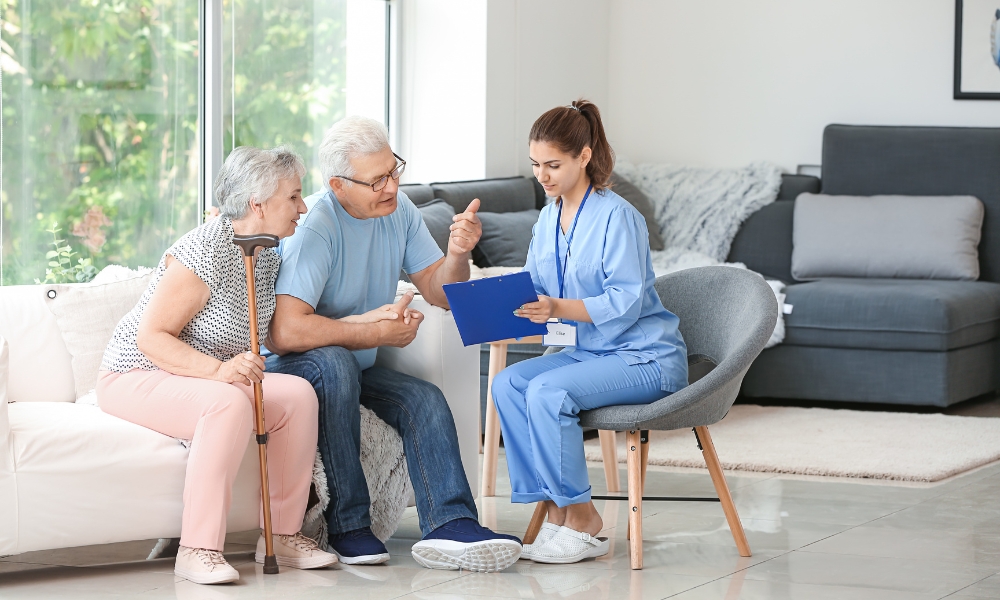
Our approach focuses on compassionate, patient-centered care that helps individuals receive the support they need while remaining comfortable at home.
Our healthcare professionals provide:
- Skilled nursing services
- Physical therapy
- Occupational therapy
- Speech therapy
- Chronic condition support
- Patient education
- Care coordination
Whether a patient is recovering after surgery, managing a chronic illness, or needs ongoing medical monitoring, our team works to provide reliable care designed around individual needs.
We believe quality healthcare should support not only physical recovery but also confidence, independence, and overall quality of life.
Frequently Asked Questions About Home Nursing Services
Can a nurse come to my house?
Yes. In many situations, a licensed nurse can provide medical care through home health services. Home nursing allows eligible patients to receive skilled healthcare support without traveling to a medical facility.
What does a home health nurse do?
A home health nurse may provide health assessments, medication education, wound care, symptom monitoring, disease management support, and communication with physicians.
What is skilled nursing at home?
Skilled nursing at home is medical care provided by licensed nurses who have the training required to manage complex health needs, monitor conditions, and provide clinical support.
Does Medicare pay for home nursing services?
Medicare may cover certain home nursing services when patients meet eligibility requirements, have physician involvement, and receive care from a Medicare-certified home health agency.
Who qualifies for home nursing care?
Patients who need skilled medical care, are recovering from illness or surgery, or require monitoring for chronic conditions may qualify depending on their healthcare needs and physician recommendations.
How often can a nurse visit my home?
The frequency of nurse visits depends on the patient’s condition, care plan, medical needs, and physician recommendations.
What conditions require skilled nursing care at home?
Skilled nursing may support patients with conditions such as diabetes, heart failure, COPD, stroke recovery needs, wounds, medication challenges, and post-surgical recovery.
Is home nursing only for seniors?
No. While many seniors benefit from home nursing services, people of different ages may require skilled nursing after surgery, illness, injury, or during chronic disease management.
What is the difference between a caregiver and a home nurse?
A caregiver usually provides assistance with daily activities, while a home nurse provides professional medical services that require healthcare training and clinical knowledge.
How do I start home nursing services?
The process usually begins with discussing healthcare needs with a physician and contacting a qualified home health agency to determine eligibility and available services.
Final Thoughts: Bringing Professional Nursing Care Into Your Home
The question “Can a nurse come to my house?” is one many families ask when they need healthcare support outside of traditional medical settings.
Today, home nursing services make it possible for many patients to receive skilled medical care while remaining in a familiar and comfortable environment.
From managing chronic conditions and supporting recovery after surgery to providing education and monitoring health changes, home nurses play an important role in helping patients live healthier and more independent lives.
The right home healthcare provider can offer more than medical assistance. It can provide reassurance, guidance, and a trusted healthcare partner throughout every stage of recovery and wellness.
For families in Houston and surrounding areas, Icon Home Health is committed to delivering compassionate, Medicare-certified home healthcare services designed around each patient’s individual needs.
Medical Disclaimer
This article is for informational purposes only and does not replace professional medical advice, diagnosis, or treatment. Healthcare needs vary between individuals. Always consult a qualified healthcare professional regarding your specific condition and care options.
Contact Icon Home Health Today
If you or your loved one needs professional home nursing services, Icon Home Health is here to provide compassionate and reliable support.
Our experienced team helps patients receive skilled nursing, therapy services, and personalized home healthcare designed to improve safety, recovery, and quality of life.
Contact Icon Home Health today to learn how our skilled nursing and home healthcare services can support your healthcare needs at home.