
Medical emergency? Call 911. Call 911 if a person with diabetes passes out, has a seizure, or is too confused or drowsy to safely eat or drink to treat low blood sugar. Do not use our contact form for emergencies.
Understanding Diabetes Management Through Home Health Care
Living with diabetes requires daily attention, planning, and consistency. From monitoring blood sugar levels to managing medications and making healthy lifestyle choices, diabetes care involves many small decisions that can have a major impact on long-term health.
For many individuals, especially older adults or people managing additional health conditions, keeping diabetes under control at home can become challenging. Remembering medications, recognizing warning signs, following dietary recommendations, and attending frequent medical appointments may feel overwhelming without the right support.
This is where diabetes management at home through professional home health care can make a meaningful difference.
Diabetic home health care provides personalized support that helps patients safely manage their condition while remaining in the comfort of their own homes. Through skilled nursing visits, health education, monitoring, and coordination with physicians, home health services help patients better understand their diabetes and follow their care plans.
Effective diabetes management is not only about controlling blood sugar numbers. It is about helping individuals maintain independence, prevent complications, and improve overall quality of life.
Table of Contents
- Important Note: Why Diabetes Management Matters
- What Is Diabetes and Why Does Management Matter?
- How Home Health Care Helps With Diabetes Management
- The Importance of Blood Sugar Monitoring
- How Skilled Nursing Supports Diabetes Care
- Managing Diabetes Medications at Home
- The Role of Diabetic Education
- Preventing Diabetes-Related Complications
- Nutrition and Lifestyle Support
- When Should Diabetes Patients Seek Medical Help?
- Diabetic Home Health Care in Houston
- Frequently Asked Questions
- Medical Disclaimer
Important Note
Diabetes affects every person differently. Some people manage their condition with lifestyle changes and medication, while others need more specialized medical support. Understanding blood sugar changes early and following a personalized care plan can help reduce complications and support a healthier, more independent life.
What Is Diabetes and Why Does Management Matter?
Diabetes is a chronic condition that affects how the body processes glucose, also known as blood sugar. Glucose provides energy for the body’s cells, but it requires insulin to move from the bloodstream into cells where it can be used.
When the body does not produce enough insulin or cannot use insulin effectively, blood sugar levels can become too high.
Over time, consistently elevated blood sugar may contribute to health complications affecting areas such as:
- The heart and blood vessels
- The kidneys
- The eyes
- The nerves
- The skin and feet
Proper diabetes management focuses on keeping blood sugar within a healthy range while reducing the risk of complications.
Diabetes care often includes:
- Regular blood sugar monitoring
- Medication management
- Healthy nutrition choices
- Physical activity when appropriate
- Routine medical follow-ups
- Understanding symptoms and warning signs
For many patients, especially seniors or individuals with mobility challenges, managing these responsibilities alone can become difficult.
Home health care provides an additional layer of support by helping patients follow their treatment plans safely.
How Home Health Care Helps With Diabetes Management
Diabetic home health care focuses on providing professional medical support directly in the patient’s home.
Unlike general assistance services, home health care involves skilled healthcare professionals who help patients manage medical needs while coordinating care with their physicians.
Home health support for diabetes may include:
- Blood sugar monitoring education
- Medication management assistance
- Insulin administration guidance when ordered
- Diabetic education
- Foot care education
- Diet and lifestyle recommendations
- Monitoring for possible complications
One of the biggest advantages of home health care is that treatment happens in the patient’s everyday environment.
A healthcare professional can better understand the challenges a patient faces at home, including medication routines, meal preparation difficulties, mobility concerns, and safety issues.
This allows care plans to be more practical and personalized.
Learn more about disease management services and how professional support can help individuals manage chronic conditions.
The Importance of Blood Sugar Monitoring at Home
Blood sugar monitoring is one of the most important parts of diabetes management.
Checking blood glucose levels helps patients and healthcare providers understand how the body responds to medications, food choices, activity levels, and other factors.
Regular monitoring can help identify patterns such as:
- Blood sugar levels that remain consistently high
- Unexpected drops in blood sugar
- Changes related to medication timing
- Effects of diet and activity
Many patients find blood sugar monitoring confusing at first. Questions often include:
- When should I check my blood sugar?
- What do my numbers mean?
- What should I do if my blood sugar is too high?
- How do I recognize warning signs?
Professional healthcare support can help patients become more confident in managing these daily responsibilities.
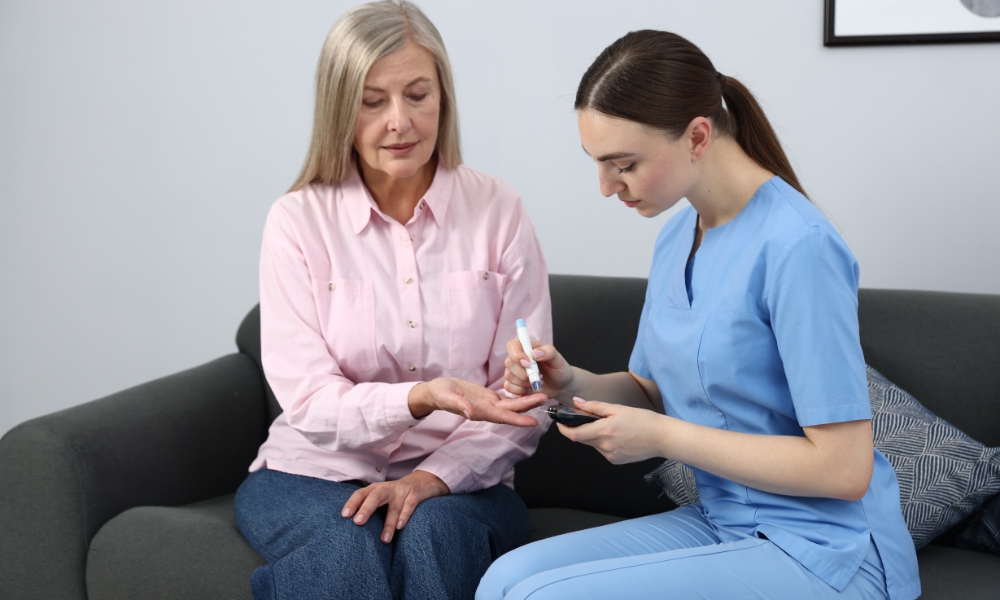
Skilled nurses can educate patients on proper monitoring techniques and help identify when changes should be reported to a physician.
How Skilled Nursing Supports Diabetes Care at Home
For many people living with diabetes, professional nursing support provides valuable guidance and safety.
Skilled nursing services are designed for patients who need medical care and monitoring from licensed healthcare professionals.
A skilled nurse supporting diabetes management may assist with:
- Monitoring blood glucose levels
- Reviewing medication routines
- Providing diabetes education
- Assessing symptoms
- Monitoring wounds or skin concerns
- Communicating changes with physicians
This support is especially important for individuals who have difficulty managing diabetes independently due to age, mobility limitations, recent illness, or other chronic conditions.
Diabetes can affect many parts of the body, and early identification of concerns can help prevent more serious problems.
Learn more about skilled nursing care at home and how professional nursing support helps patients manage complex healthcare needs.
Managing Diabetes Medications Safely at Home
Many people with diabetes rely on medications to help control blood sugar levels.
Depending on the individual’s condition, treatment may involve oral medications, insulin, or other physician-prescribed therapies.
Managing medications correctly is essential because incorrect timing, missed doses, or confusion about prescriptions can affect blood sugar control.
Common medication challenges include:
- Remembering multiple medications
- Understanding dosage instructions
- Recognizing side effects
- Coordinating medications with meals
- Knowing when to contact a healthcare provider
Home health professionals can help patients understand their treatment plans and encourage safer medication routines.
Patients should never change diabetes medications without guidance from their healthcare provider.
The Role of Diabetic Education in Successful Home Management
One of the most important parts of diabetes management at home is understanding the condition. Many complications occur not because patients do not care about their health, but because diabetes can be complex and difficult to manage without proper education.
Diabetic education helps patients understand how daily choices, medications, and lifestyle habits affect blood sugar levels.
A well-informed patient is often better prepared to recognize changes, follow treatment recommendations, and communicate concerns with healthcare providers.
Diabetes education may include guidance about:
- How diabetes affects the body
- How to monitor blood sugar correctly
- Understanding medication instructions
- Recognizing symptoms of high or low blood sugar
- Making healthier food choices
- Protecting skin and feet
- Knowing when to contact a healthcare professional
For older adults or individuals newly diagnosed with diabetes, this education can feel overwhelming at first. Healthcare professionals provide support by breaking information into practical steps that are easier to follow in everyday life.
The goal is not perfection. The goal is helping patients develop habits that support better health and confidence over time.
Preventing Diabetes-Related Complications at Home
One of the main goals of diabetes management is preventing complications before they become serious health concerns.
When blood sugar levels remain uncontrolled for long periods, diabetes may increase the risk of problems affecting multiple areas of the body.
Common diabetes-related complications may involve:
- Nerve damage
- Kidney problems
- Vision changes
- Heart disease
- Skin infections
- Slow-healing wounds
Consistent monitoring and early intervention are key parts of prevention.
Home health professionals can help patients recognize warning signs and encourage habits that protect long-term health.
For example, a patient who develops a small foot injury may not notice it immediately if diabetes has affected nerve sensation. Regular foot checks and proper education can help identify concerns earlier.
Small preventive steps can have a significant impact on maintaining independence and avoiding unnecessary medical complications.
Diabetes Foot Care and Wound Prevention
Foot care is an essential part of diabetes management, especially for individuals who have experienced changes in circulation or nerve sensation.
Diabetes can sometimes reduce the body’s ability to heal wounds effectively. Because of this, even minor cuts, blisters, or skin changes should be monitored carefully.
Important foot care practices include:
- Checking feet regularly for changes
- Keeping feet clean and dry
- Wearing properly fitting footwear
- Avoiding walking barefoot when possible
- Reporting unusual changes to healthcare providers
Patients who have difficulty checking their feet due to mobility limitations or vision problems may benefit from additional support from caregivers or healthcare professionals.
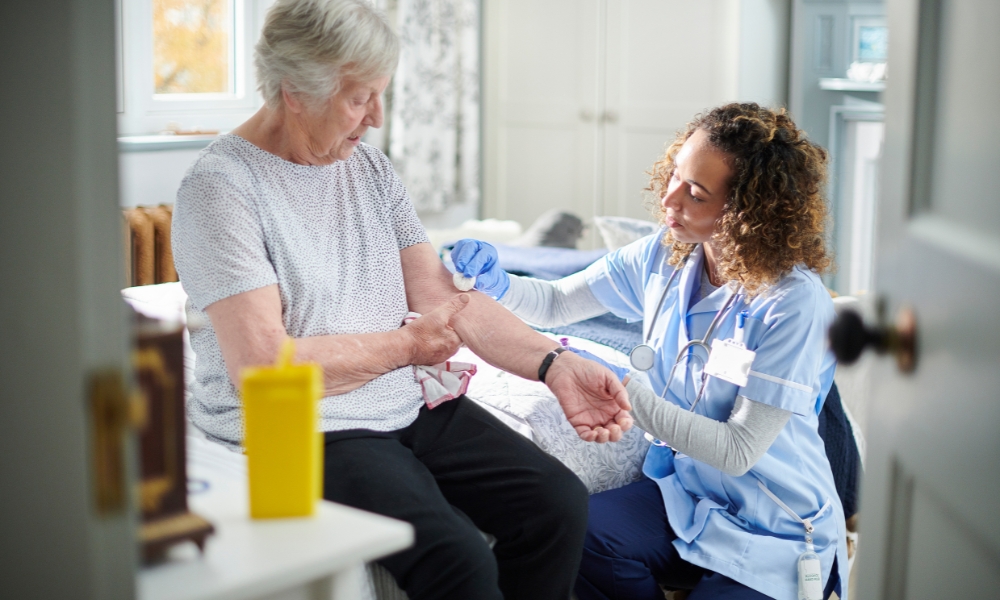
Skilled nursing services can help monitor skin health and identify concerns that may require medical attention.
Nutrition and Lifestyle Support for Diabetes Management
Food choices and daily habits play a major role in diabetes management.
However, managing nutrition with diabetes is not about following unrealistic restrictions. It is about creating sustainable habits that support stable blood sugar levels and overall wellness.
A diabetes-friendly eating approach often focuses on:
- Balanced meals with appropriate portions
- High-fiber foods
- Lean sources of protein
- Healthy fats
- Reducing excessive added sugars
- Monitoring carbohydrate intake when recommended
Every person’s nutritional needs are different. Factors such as age, medications, activity level, and other medical conditions influence what approach works best.
Healthcare professionals can help patients understand how food choices may affect their blood sugar patterns.
In addition to nutrition, other lifestyle habits support better diabetes control.
Staying Physically Active
Physical activity can help many individuals improve overall health and support blood sugar management. However, exercise plans should always be appropriate for the person’s health condition and abilities.
Patients recovering from illness, surgery, or mobility challenges may benefit from professionally guided activity recommendations.
Learn more about physical therapy services that can support safe movement and independence.
Maintaining Healthy Daily Routines
Consistency is one of the most important factors in diabetes care.
Taking medications as prescribed, monitoring blood sugar, attending appointments, and maintaining healthy habits create a stronger foundation for long-term management.
Managing Diabetes After Hospital Discharge
Returning home after a hospital stay can be challenging for individuals with diabetes.
Illness, surgery, infections, or medication changes may temporarily affect blood sugar levels and require closer monitoring.
During this transition period, patients may need help with:
- Understanding new medications
- Following discharge instructions
- Monitoring blood sugar more frequently
- Recognizing warning signs
- Scheduling follow-up appointments
Home health care can provide important support during recovery by helping patients safely transition from hospital care to daily life at home.
Learn more about home health care after hospital discharge and how professional support helps patients continue recovery safely.
Important Note
Managing diabetes can sometimes feel overwhelming, especially when patients are balancing medications, diet changes, and other health concerns. Remember that diabetes care is a continuous process. Small improvements and consistent support can make a meaningful difference. Patients should work with healthcare professionals rather than trying to manage complex changes alone.
How Family Members Can Support Diabetes Care at Home
Family involvement can be extremely valuable for individuals managing diabetes, particularly older adults or patients with additional health challenges.
Supportive family members can help by:
- Encouraging medication routines
- Helping prepare balanced meals
- Attending medical appointments
- Supporting blood sugar monitoring
- Watching for changes in health
- Providing emotional encouragement
However, family caregivers should avoid taking complete control of diabetes management unless necessary.
Whenever possible, patients should remain involved in their own care decisions because maintaining independence can improve confidence and motivation.
Professional home health services can also help families share responsibilities while ensuring medical needs are addressed properly.
Diabetes Management for Seniors at Home
Older adults with diabetes may face additional challenges that make daily management more complicated.
Age-related changes, memory concerns, mobility limitations, vision problems, and other chronic conditions can affect how easily someone manages their diabetes independently.
Senior patients may benefit from:
- Regular health monitoring
- Medication assistance
- Fall prevention support
- Nutrition guidance
- Caregiver education
- Skilled nursing oversight
The goal of senior diabetes care is not only controlling blood sugar but also maintaining safety, dignity, and quality of life.
Home-based care allows older adults to receive professional support without leaving the environment where they feel most comfortable.
Benefits of Diabetic Home Health Care
Diabetic home health care provides several advantages for patients who need additional support managing their condition.
Benefits may include:
- Personalized care based on individual needs
- Professional health monitoring
- Improved medication understanding
- Better awareness of diabetes symptoms
- Support for family caregivers
- Reduced risk of preventable complications
Receiving care at home allows healthcare professionals to see the patient’s daily environment and provide practical recommendations that fit their lifestyle.
This personalized approach can help patients feel more confident while managing diabetes long term.
When Should Diabetes Patients Seek Medical Help?
While many aspects of diabetes can be managed successfully at home, it is important to recognize when symptoms may require professional medical attention.
Changes in blood sugar levels can sometimes happen gradually, making them easy to overlook. Other times, symptoms may appear suddenly and require quick action.
Patients and caregivers should contact a healthcare provider if they notice:
- Blood sugar levels that remain consistently higher or lower than the recommended range
- Unusual weakness, fatigue, or difficulty completing normal activities
- Frequent thirst or urination changes
- Unexplained weight changes
- Slow-healing wounds or skin concerns
- New numbness, tingling, or changes in sensation
- Signs of infection
- Difficulty managing medications or daily diabetes routines
Emergency medical attention may be needed if a person experiences severe symptoms such as confusion, loss of consciousness, difficulty breathing, or other sudden changes in health.
Every diabetes patient has unique needs. Understanding personal warning signs and maintaining communication with healthcare providers are essential parts of safe diabetes management.
The Importance of Regular Diabetes Monitoring and Follow-Up Care
Successful diabetes management is an ongoing process that requires regular monitoring and adjustments.
Diabetes does not remain exactly the same throughout a person’s life. Changes in age, medications, activity level, stress, illness, and other health conditions can all influence blood sugar control.
Regular healthcare follow-up helps ensure that treatment plans continue to meet the patient’s needs.
Follow-up care may involve:
- Reviewing blood sugar patterns
- Adjusting medications when needed
- Monitoring kidney and heart health
- Checking for possible complications
- Updating nutrition and lifestyle recommendations
For patients receiving diabetic home health care, skilled healthcare professionals can help identify important changes and communicate them with the appropriate medical providers.
This coordinated approach helps patients receive timely support while remaining comfortable in their own homes.
Diabetes Management Through Home Health Care in Houston, Sugar Land, and Surrounding Areas
Managing diabetes becomes easier when patients have access to reliable healthcare support close to home.
Icon Home Health provides compassionate and personalized home health services for individuals throughout Houston and nearby communities who need assistance managing chronic conditions such as diabetes.
Our Medicare-certified home health team works with patients, families, and physicians to provide care plans designed around each individual’s health goals and daily needs.
Diabetes-related home health support may include:
- Skilled nursing visits
- Blood sugar monitoring education
- Medication management support
- Diabetic education
- Health condition monitoring
- Care coordination with physicians
Icon Home Health proudly serves patients in:
- Houston
- Sugar Land
- Katy
- Richmond
- Missouri City
- Cypress
- Fresno
- Manvel
- Alvin
Our goal is to help individuals manage diabetes safely while maintaining independence and quality of life in the comfort of their own homes.
Learn more about home health care in Houston and how personalized in-home healthcare can support chronic condition management.
How Icon Home Health Supports Patients With Diabetes
Diabetes care requires more than checking blood sugar numbers. It requires education, consistency, monitoring, and a healthcare team that understands each patient’s unique challenges.
At Icon Home Health, our professionals focus on providing patient-centered care that supports safety, comfort, and independence.
Our approach may include:
- Helping patients understand their diabetes care plans
- Monitoring health changes
- Supporting medication routines
- Providing skilled nursing services
- Educating patients and caregivers
- Communicating important updates with physicians
Many patients feel more confident managing diabetes when they have professional guidance available at home.
By bringing healthcare services directly to patients, home health care reduces unnecessary stress and helps individuals focus on maintaining better health.
Frequently Asked Questions About Diabetes Management Through Home Health Care
What is diabetic home health care?
Diabetic home health care provides professional healthcare support for individuals managing diabetes in their own homes. Services may include skilled nursing, blood sugar monitoring education, medication support, and diabetic education.
Can diabetes be managed at home?
Yes, many people manage diabetes successfully at home with proper medical guidance, healthy lifestyle habits, medication management, regular monitoring, and support from healthcare professionals when needed.
How does skilled nursing help diabetes patients?
Skilled nurses can help monitor blood sugar levels, educate patients about diabetes care, review medications, identify possible complications, and communicate important health changes with physicians.
Why is blood sugar monitoring important?
Blood sugar monitoring helps patients and healthcare providers understand how the body responds to medications, food choices, activity, and other factors. It allows care plans to be adjusted when necessary.
What does diabetic education include?
Diabetic education helps patients understand blood sugar control, medication routines, nutrition choices, foot care, symptom recognition, and ways to prevent complications.
Does Medicare cover diabetes home health services?
Medicare may cover certain home health services when eligibility requirements are met, including the need for skilled medical care and physician involvement. Coverage depends on individual circumstances and care needs.
When should a diabetic patient call a doctor?
Patients should contact a healthcare provider if they experience unusual blood sugar changes, worsening symptoms, slow-healing wounds, medication difficulties, or other concerning health changes.
Can home health care help elderly diabetes patients?
Yes. Older adults may benefit from home health care because it provides professional support with monitoring, medication management, education, and safety while allowing them to remain at home.
How can family members support someone with diabetes?
Families can help by encouraging healthy routines, supporting appointments, assisting with daily tasks when needed, and communicating concerns with healthcare professionals.
Final Thoughts: Building a Safer Future With Diabetes Management at Home
Living with diabetes requires daily attention, but patients do not have to manage every challenge alone.
With proper education, regular monitoring, healthy habits, and professional healthcare support, many individuals are able to maintain better control of their condition while continuing to live independently.
Diabetes management at home focuses on more than controlling blood sugar. It is about helping patients protect their health, prevent complications, and feel confident in their daily routines.
Through skilled nursing, diabetic education, and personalized care plans, home health services provide valuable support for patients and families navigating diabetes.
For individuals in Houston and surrounding communities, Icon Home Health is committed to delivering compassionate, patient-centered care designed around each person’s needs.
Medical Disclaimer
This article is intended for informational purposes only and should not replace professional medical advice, diagnosis, or treatment. Diabetes management needs vary between individuals. Always consult a qualified healthcare provider for medical concerns, treatment decisions, and personalized recommendations.
Get Compassionate Diabetes Support at Home
If you or a loved one needs help managing diabetes, Icon Home Health provides skilled and compassionate home health services designed to support safer, healthier living at home.
Our experienced team works with patients, caregivers, and physicians to provide personalized diabetes support, skilled nursing, and chronic condition management throughout Houston and surrounding areas.
Contact Icon Home Health today to learn how our diabetic home health care services can help you or your loved one manage diabetes with confidence.