
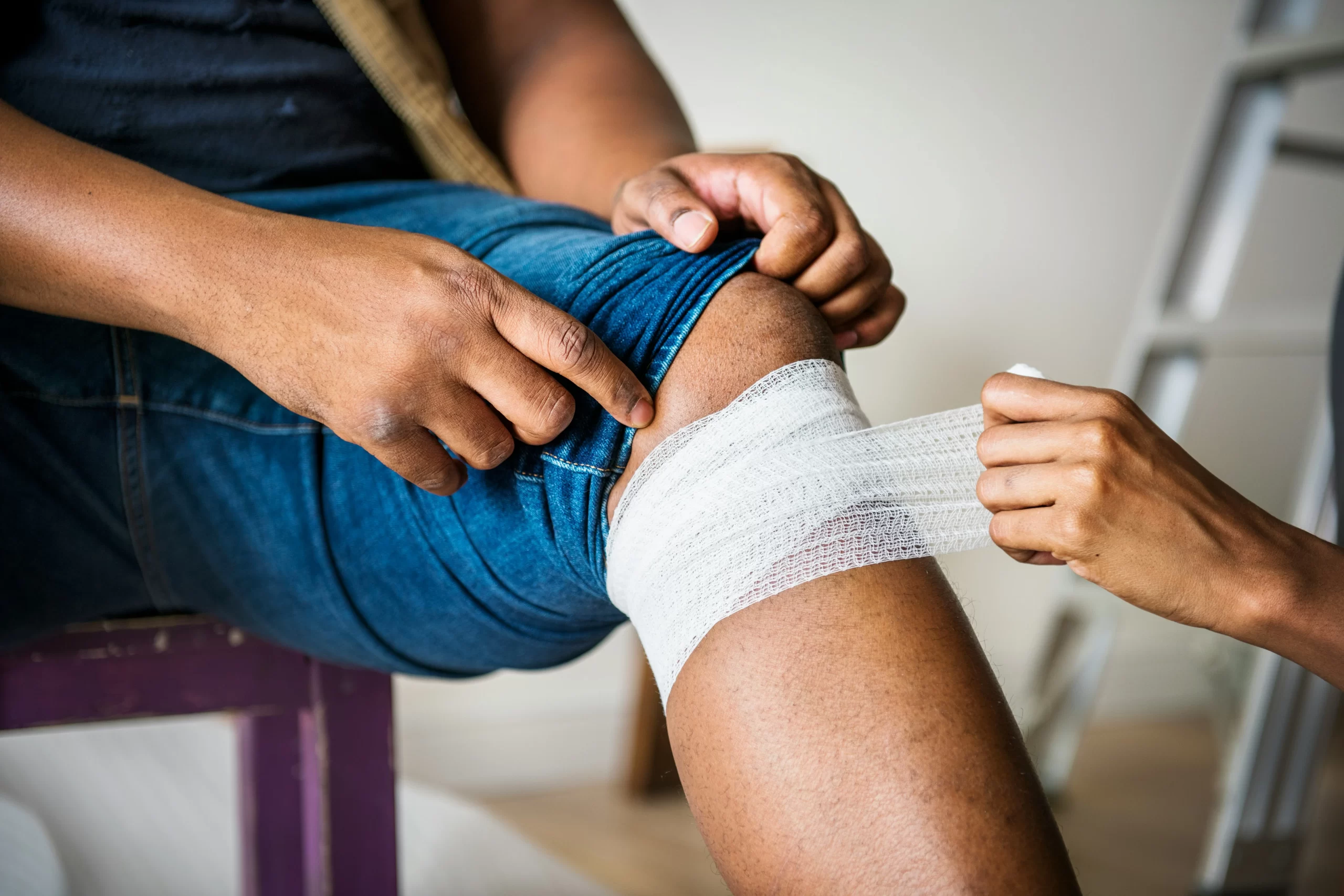
Choosing the right wound care dressing types can make the difference between smooth healing and prolonged recovery. Whether you’re managing a surgical incision, pressure ulcer, or chronic wound at home, understanding your options helps ensure proper care and faster results.
Modern wound dressings do much more than simply cover an injury. They create optimal healing environments, manage drainage, prevent infection, and protect delicate tissue during recovery.
Related: What is a Mini Stroke?
What Are Wound Care Dressing Types and Why They Matter
Primary vs. Secondary Dressings Explained
Wound care materials work in layers to provide comprehensive protection. Primary dressings make direct contact with the wound bed, delivering moisture control and creating the ideal healing environment. These dressings often contain specialized materials that interact with wound fluid and tissue.
Secondary dressings go over the primary layer to provide additional absorption, protection, and security. Think of them as the outer shield that holds everything in place and adds extra cushioning. Many wound dressing options require both layers to work effectively, especially for moderate to heavily draining wounds.
How Dressings Support the Healing Process
Quality wound care dressing types maintain balanced moisture levels that research shows speeds healing significantly. Too much moisture can lead to skin breakdown around the wound edges, while too little moisture slows down the natural repair process and can cause painful dressing changes.
Modern dressings also protect against bacteria while allowing oxygen exchange. This balance helps new tissue form properly while preventing infection that could set back recovery by weeks.
Factors That Determine the Right Dressing Choice
Several considerations guide which types of wound dressings work best for your situation. The amount of drainage or exudate your wound produces ranks as one of the most important factors. Light, moderate, or heavy drainage each requires different absorption capabilities.
Wound depth and location also influence dressing selection. Deep wounds need materials that can fill the space and prevent premature surface closure. Wounds near joints require flexible dressings that move with your body without loosening or causing discomfort.
The stage of healing matters too. Fresh surgical wounds need different care than wounds that have been healing for several weeks. Your body’s changing needs mean wound care materials often change throughout recovery.
When to Change Wound Dressing Materials
Most wound dressing options require changing every one to seven days depending on the specific type and your wound’s condition. Heavily draining wounds may need daily attention, while some advanced dressings can safely stay in place for up to a week.
Signs that indicate you need an earlier dressing change include visible saturation, loosening edges, unusual odor, or increased pain. Your skilled nursing team will establish a schedule based on your specific wound characteristics and monitor for any changes that require adjustment.
Never push beyond the recommended wearing time for any dressing type. Leaving dressings on too long increases infection risk and can actually slow the healing process you’re working to support.
Types of Wound Dressings for Different Healing Stages
Gauze Dressings for Basic Wound Protection
Traditional gauze remains one of the most versatile wound care materials available today. These woven or non-woven fabric dressings work well for packing deep wounds, cleaning wound surfaces, and providing basic protection for minor injuries.
Gauze comes in various forms including pads, rolls, and packing strips. Some versions include petroleum jelly or other substances to prevent sticking to the wound bed. While gauze requires more frequent changes than modern alternatives, it remains cost-effective and widely available for straightforward wound care needs.
Transparent Film Dressings for Monitoring Wounds
Thin, clear film dressings allow you and your care team to observe wound healing without removing the protective barrier. These waterproof sheets work exceptionally well for superficial wounds, IV sites, and situations where visual monitoring matters most.
The transparent design lets oxygen reach the wound while blocking bacteria and water from entering. This makes showering easier and reduces the risk of contamination during daily activities. However, film dressings provide minimal absorption, making them unsuitable for wounds with significant drainage.
Hydrogel Dressings for Dry Wound Care
When wounds become too dry or develop hard, dead tissue called eschar, hydrogel dressings deliver needed moisture to restart the healing process. These gel-based wound dressing options contain up to 90% water and help soften necrotic tissue for easier removal.
Hydrogels work particularly well for painful wounds because they provide cooling comfort while maintaining moisture balance. They’re often used for pressure ulcers, minor burns, and wounds that have stalled in the healing process due to dryness.
Antimicrobial Dressings for Infection Prevention
Silver-impregnated and other antimicrobial dressings add an extra layer of infection defense for high-risk wounds. These specialized wound care dressing types release infection-fighting agents directly into the wound bed while still supporting moisture balance and healing.
Patients with diabetes, compromised immune systems, or wounds showing early infection signs often benefit from antimicrobial options. Your healthcare provider will determine if your wound requires this additional protection based on your overall health status and wound characteristics.
Hydrocolloid Dressing Uses in Home Wound Care

How Hydrocolloid Dressings Create a Healing Environment
Hydrocolloid dressing uses include creating a gel-like substance when the dressing absorbs wound fluid. This gel keeps the wound bed moist while the outer layer remains waterproof, giving you protection during daily activities including showering.
These self-adhesive dressings stick to surrounding healthy skin without requiring tape or secondary securing. The waterproof backing prevents bacteria from entering while allowing the wound to maintain optimal moisture levels that research confirms speeds healing.
Best Types of Wounds for Hydrocolloid Treatment
Hydrocolloid dressings excel at treating pressure ulcers, minor burns, and wounds with light to moderate drainage. They work particularly well on areas where you need both protection and the ability to move freely without dressing disruption.
These dressings should not be used on infected wounds, heavily draining wounds, or full-thickness burns. The sealed environment they create could trap bacteria in infected wounds or become overwhelmed by heavy fluid production.
Application and Removal Guidelines
Proper application starts with clean, dry skin around the wound. The dressing should extend at least one inch beyond the wound edges to ensure good adhesion. Smooth out any wrinkles or air pockets that could allow leakage or reduce effectiveness.
When removing hydrocolloid dressings, gently lift one corner and stretch the dressing parallel to the skin rather than pulling straight up. This technique minimizes discomfort and protects the delicate healing tissue underneath. The gel that forms may look concerning but is completely normal and indicates proper function.
Signs Your Hydrocolloid Dressing Needs Changing
Most hydrocolloid dressings last three to seven days under normal conditions. Change the dressing sooner if you notice the edges lifting, the dressing becoming saturated in the center, or any signs of leakage around the borders.
Unusual odor when removing the dressing, increased pain, or signs of infection around the wound edges all warrant immediate attention from your care team. These symptoms may indicate the need for different wound care materials or medical evaluation.
Foam Dressing for Wounds with Heavy Drainage
Absorbency Benefits of Foam Wound Care Materials
Foam dressing for wounds offers exceptional fluid management through multiple layers that wick moisture away from the wound bed. The inner layer maintains beneficial moisture while outer layers absorb excess drainage that could otherwise damage surrounding skin.
Woam dressings can absorb up to 15 times their weight in fluid, making them ideal for heavily draining wounds. This high absorbency reduces the frequency of dressing changes while protecting the wound and surrounding skin from moisture damage.
These dressings typically include a waterproof outer layer that allows normal activities including showering. The cushioning effect also provides comfort and protection for wounds in areas subject to pressure or friction.
Pressure Ulcer Management with Foam Dressings
Pressure ulcers, also called bedsores, benefit significantly from foam dressing technology. The padding distributes pressure more evenly while managing the substantial drainage these wounds often produce. This dual action addresses both the cause and symptoms of pressure injuries.
Foam dressings conform to body contours better than rigid alternatives, maintaining contact with the wound bed even as you move or change positions. This consistent contact ensures continuous moisture management and protection throughout the day and night.
Combining Foam Dressings with Other Treatments
Foam dressings often work as secondary dressings over other wound care materials. For example, a thin layer of antimicrobial gel or alginate might go directly on the wound, with foam providing the absorption and protection layer on top.
Your skilled nursing team may use foam dressings alongside pressure-relieving devices, positioning schedules, and nutritional support to create a comprehensive healing plan. This multi-faceted approach addresses all factors that influence wound recovery in your home environment.
Alginate Dressing Benefits for Deep or Bleeding Wounds
How Alginate Materials Control Bleeding
Alginate dressing benefits include natural hemostatic properties that help control bleeding in fresh or reopened wounds. These dressings derive from seaweed and form a gel when they contact wound fluid or blood. This gel-forming action creates a protective seal while promoting clotting.
The fibers in alginate dressings can absorb up to 20 times their weight in fluid, making them among the most absorbent wound dressing options available. This exceptional capacity makes them ideal for wounds in the inflammatory healing phase when drainage typically peaks.
Wound Dressing Options for Surgical Site Care
Post-surgical wounds often produce significant drainage during the first several days after procedures. Alginate dressings manage this heavy exudate while conforming to irregular wound shapes that can result from surgical techniques.
These dressings work particularly well for wounds that required packing or have depth that needs gradual filling as healing progresses. The gel that forms helps keep deeper tissues moist while the wound heals from the bottom up, reducing the risk of abscess formation or premature surface closure.
Managing Exudate with Alginate Technology
Wounds with heavy, consistent drainage can overwhelm other types of wound dressings and lead to skin breakdown around the wound edges. Alginate materials lock fluid away from both the wound bed and surrounding skin, preventing the maceration that delays healing.
These dressings require a secondary cover to hold them in place and provide additional protection. Your care team typically chooses foam or film dressings as the outer layer depending on your specific wound characteristics and activity level.
The gel formed by alginate dressings rinses away easily during dressing changes, reducing trauma to healing tissue. This gentle removal process means less pain for you and better protection for the delicate new tissue forming in your wound.
How Skilled Nurses Select the Right Wound Care Dressing Types

Assessment Factors for Choosing Wound Dressing Options
Professional wound assessment considers dozens of factors to match the right dressing to your specific needs. The wound’s size, depth, and location provide the starting framework. Then your nurse examines the tissue type present, whether you have healthy pink granulation tissue, yellow slough, or black eschar.
Drainage characteristics including color, consistency, and volume all influence dressing selection. Clear, light drainage suggests different wound care materials than thick, cloudy, or heavy discharge. The condition of skin surrounding the wound matters too, as fragile or damaged skin requires gentler adhesives and more protection.
Your overall health status, including conditions like diabetes or circulatory problems, affects how your body heals and which wound care dressing types will work best. Medications you take, particularly blood thinners or steroids, also factor into the treatment plan your nurse develops.
Adjusting Treatment as Wounds Progress
The types of wound dressings you need will likely change as healing advances through different stages. A wound that initially required heavy absorption may transition to lighter dressings as drainage decreases. Deep wounds need less packing material as tissue fills in from the bottom.
Your home health nurse monitors healing progress at each visit and adjusts your treatment plan accordingly. This might mean switching from alginate to foam, or from hydrocolloid to simple film dressings as your wound improves. These changes reflect positive progress and your body’s response to treatment.
Sometimes wounds plateau or show signs of regression despite proper care. When this happens, your nurse may recommend trying different wound care materials or consulting with a wound care specialist for advanced treatment options.
Coordinating with Your Physician’s Care Plan
All wound care decisions happen in coordination with your physician who oversees your overall treatment. Your home health team communicates regularly with your doctor about wound progress, any concerning changes, and recommendations for treatment adjustments.
This collaboration ensures your wound care aligns with management of underlying conditions affecting healing. For example, if you have diabetes, your wound care plan connects with your blood sugar management. If circulation problems contributed to your wound, vascular treatments may run parallel to local wound care.
Icon Home Health’s team brings wound care expertise directly to your home while maintaining close communication with all your healthcare providers. This integrated approach through our services gives you the benefit of specialized knowledge without the burden of traveling to appointments during recovery.
Get Expert Wound Care Support from Icon Home Health
Proper wound healing requires more than just selecting the right dressing materials. It demands consistent skilled assessment, timely treatment adjustments, and coordination across your entire care team. Attempting complex wound care alone can lead to complications, infections, and prolonged healing times.
Icon Home Health brings Medicare-certified wound care expertise directly to your home in the Greater Houston area. Our skilled nurses assess your wound at every visit, select appropriate wound care dressing types for your current healing stage, and teach you and your family proper care techniques.
We coordinate with your physician to ensure your wound care plan addresses underlying health conditions that affect healing. Our team monitors for early signs of complications and intervenes quickly to keep your recovery on track.Don’t navigate wound care alone during your recovery. Contact us today to learn how our skilled nursing services can support your healing journey with professional wound care in the comfort of your own home.