
Choosing the right mobility aid can feel confusing when you’re not sure about the differences between similar options. Many people use the terms “walking stick” and “cane” interchangeably, but these are actually two distinct tools designed for different purposes.
Knowing the walking stick vs cane difference helps you select the right support for your needs, whether you’re recovering from an injury, managing a chronic condition, or staying active outdoors.
Related: What is a Mini Stroke?
Walking Stick vs Cane: Why People Choose Canes for Mobility Support
Medical Conditions Requiring Balance Assistance
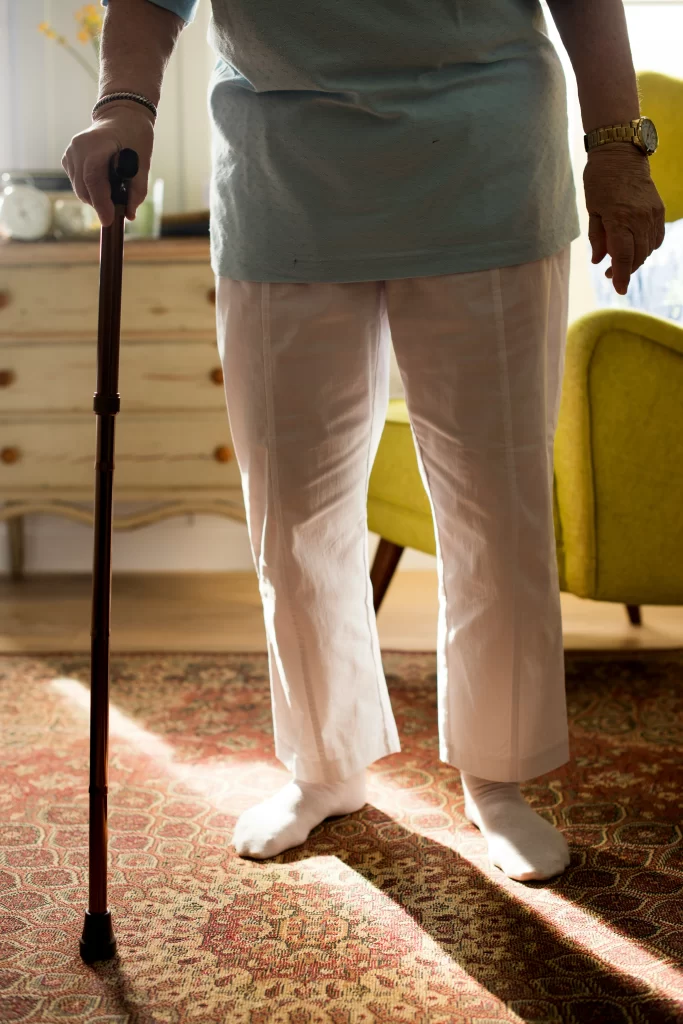
Canes provide essential support for individuals managing conditions that affect balance and stability. People living with arthritis, Parkinson’s disease, or multiple sclerosis often rely on canes to maintain independence in their daily activities.
A single-point cane offers targeted support on one side of the body, helping distribute weight away from a weakened leg or hip. This makes canes ideal for those with specific joint problems or one-sided weakness.
Neurological conditions that cause dizziness or coordination issues also benefit from the consistent balance support a cane provides. According to the CDC’s STEADI initiative, using appropriate mobility aids significantly reduces fall risk in older adults.
Recovery from Surgery or Injury
Post-surgical patients frequently use canes during their rehabilitation period. Hip replacement, knee surgery, and lower extremity fractures all require careful weight management during healing.
A cane allows you to gradually increase weight-bearing on the affected limb while maintaining safety. Physical therapists often recommend canes as part of structured recovery programs.
The controlled support from a cane helps patients rebuild strength and confidence in their mobility. This measured approach prevents re-injury while promoting proper healing.
Managing Chronic Pain and Weakness
Chronic conditions like fibromyalgia, chronic fatigue syndrome, and diabetic neuropathy can cause persistent weakness and discomfort. A cane reduces the load on painful joints and muscles throughout the day.
For people experiencing muscle weakness from stroke recovery or other conditions, canes provide reliable support during walking. This stability allows individuals to maintain activity levels without overexertion.
The consistent pressure relief a cane offers can make the difference between staying active and becoming sedentary due to pain concerns.
Preventing Falls in Daily Activities
Falls represent one of the most serious health risks for older adults and those with mobility limitations. A cane serves as a proactive safety measure during routine activities like grocery shopping, walking to appointments, or moving around the home.
The additional point of contact with the ground creates a wider base of support, improving overall stability. This is especially valuable on smooth floors, in crowded spaces, or when carrying items.
Regular cane use during daily tasks builds confidence and reduces the fear of falling that can limit independence.
When a Walking Stick is the Better Choice
Outdoor Recreation and Hiking Activities
Walking sticks excel in outdoor environments where terrain varies and additional stability enhances the experience. Hikers use walking sticks to maintain rhythm, reduce fatigue, and protect joints during long treks.
The hiking walking stick distributes effort across your upper body, taking pressure off your knees and ankles on descents. This makes challenging trails more accessible and enjoyable.
Unlike medical canes designed for indoor use, walking sticks feature durable construction meant to handle rocks, roots, and uneven ground conditions.
Uneven Terrain and Trail Navigation
When walking on natural surfaces like dirt paths, gravel roads, or beach sand, a walking stick provides better stability than a standard cane. The longer length and sturdier build handle rough conditions more effectively.
Walking sticks help you test ground stability before putting full weight on uncertain surfaces. This is particularly useful near streams, on muddy trails, or in areas with hidden obstacles.
The versatility of a walking stick makes it the superior choice for anyone who regularly ventures beyond paved sidewalks.
Temporary Support During Long Walks
People without chronic mobility issues sometimes need support during extended walking sessions. A walking stick offers assistance without the medical connotation of a cane.
During long sightseeing tours, nature walks, or community events, a walking stick reduces leg fatigue and back strain. This allows you to enjoy activities longer without discomfort.
The casual nature of walking sticks makes them appealing for active individuals who need occasional support but don’t require daily mobility assistance.
Maintaining an Active Lifestyle
Walking sticks support an active, health-focused lifestyle rather than compensating for disability. Many fitness walkers and outdoor enthusiasts incorporate walking sticks into their exercise routines.
The rhythmic use of walking sticks during exercise increases caloric burn and engages upper body muscles. This turns a simple walk into a more complete workout.
For those transitioning from rehabilitation back to recreational activities, a walking stick bridges the gap between medical support and independent mobility.
How to Determine Which Mobility Aid You Need

Assessing Your Balance and Stability Needs
The key question in the walking stick vs cane debate centers on your specific stability requirements. If you need consistent support to prevent falling during everyday activities, a cane is likely the right choice.
Canes are medical devices designed to bear a portion of your body weight and improve balance. They’re essential when you have weakness, pain, or balance problems that affect your safety indoors.
Walking sticks provide supplementary support rather than primary stability assistance. They work best when you have good baseline balance but want extra confidence on varied terrain.
Considering Your Daily Activities and Lifestyle
Think about where and when you’ll use your mobility aid most frequently. Indoor activities like cooking, cleaning, and moving between rooms typically require the compact design and medical-grade support of a cane.
Outdoor enthusiasts who spend time on trails, in parks, or exploring natural areas benefit more from the versatility of a walking stick. The context of your activities matters as much as your physical condition.
Some people find value in owning both — a cane for daily medical needs and a walking stick for recreational outings.
Consulting with Healthcare Professionals
Physical therapists and occupational therapists specialize in assessing mobility needs and recommending appropriate aids. A professional evaluation considers your strength, balance, gait pattern, and daily requirements.
These specialists can fit you with the correct height and style of cane if medical support is needed. They also teach proper technique to maximize safety and effectiveness.
Your physician can provide referrals for physical therapy or occupational therapy to ensure you’re using mobility aids correctly and safely.
Testing Different Options for Comfort
Before committing to a purchase, try different styles to find what feels most comfortable and supportive. Medical supply stores and pharmacies often have demo models available.
Pay attention to handle comfort, weight, and ease of use during your trial. The best mobility aid comparison involves actual use rather than just visual assessment.
Consider factors like adjustability, tip design, and whether you need a folding option for travel. The right choice should feel natural and boost your confidence rather than creating new challenges.
Get Professional Mobility Support from Icon Home Health
Understanding the cane vs walking stick support options is just one piece of maintaining safe, independent mobility at home. If you or a loved one needs guidance on mobility aids, fall prevention, or recovering strength after injury or illness, Icon Home Health is here to help.
Our experienced therapists provide personalized assessments in the comfort of your home, recommending the right mobility solutions for your unique situation. Through our skilled nursing and comprehensive therapy services, we help Greater Houston residents maintain independence and prevent complications.Whether you’re recovering from surgery, managing a chronic condition, or looking to prevent falls, our team delivers expert care with the compassion of a family-owned agency. Learn more about how we can support your mobility goals, contact us today for a consultation.