
Watching a loved one struggle with speech after a stroke can feel overwhelming and heartbreaking. One day, they were sharing stories and laughing with you, and now simple conversations feel like climbing a mountain.
But here’s what we want you to know: with the right support and consistent speech therapy after stroke, remarkable recovery is not only possible — it’s happening in homes across Houston every single day!
Those first weeks at home are precious. Your loved one’s brain is working incredibly hard to heal and create new pathways, and speech therapy after a stroke during this critical period can make all the difference in their recovery journey.
You don’t have to navigate this alone, and your home can become the perfect place for healing to begin.
If you’re looking for immediate support, refer a patient to us today to start the process.
Why Speech Therapy After Stroke Begins Immediately at Home
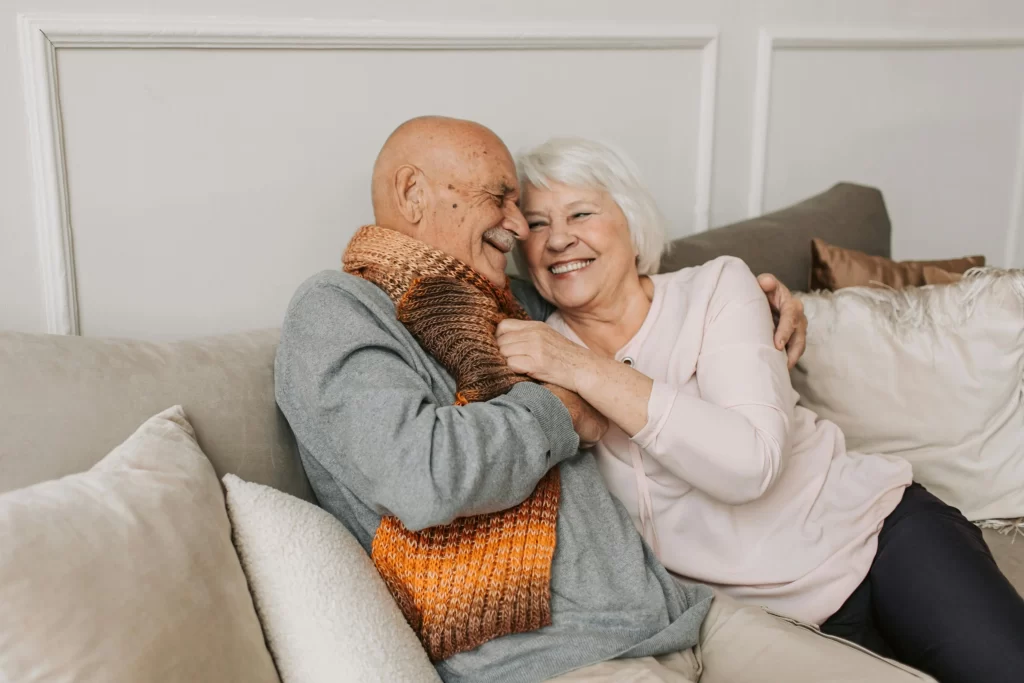
When your loved one comes home from the hospital, you might wonder if they need time to “just rest” before starting therapy. The truth is, the sooner speech therapy after stroke begins, the better the outcomes tend to be.
The brain has an amazing ability to rewire itself, especially in those crucial early weeks, and professional guidance helps direct that healing in the most effective ways.
Critical Window for Brain Recovery
Your loved one’s brain is like a garden after a storm. It needs immediate, careful tending to flourish again. The first three to six months after a stroke represent the most important time for language recovery after a cerebrovascular accident. During this period, the brain is most plastic and ready to form new connections that can restore communication abilities.
Think of it this way: every day that passes without structured therapy is a missed opportunity for recovery. Professional speech therapists understand exactly how to stimulate the brain during this golden window, using specific techniques that encourage new neural pathways to develop.
Starting therapy at home means your loved one doesn’t lose valuable recovery time waiting for transportation or dealing with the stress of getting to appointments.
The beautiful thing about this early intervention is that small improvements can snowball into bigger victories. Maybe your loved one struggles to say “water” on Monday, but by Friday, they’re asking for their favorite drink with confidence. These early wins build momentum that carries through the entire recovery process.
Comfortable Environment Reduces Anxiety
Imagine trying to relearn how to speak while sitting in a sterile clinic room with fluorescent lights and the sounds of strangers in the hallway.
Now picture the same process happening in your loved one’s favorite chair, surrounded by family photos and the comforting smell of home. The difference is profound, and it directly impacts their ability to focus and learn.
Anxiety can be one of the biggest barriers to speech recovery after stroke. When people feel stressed or overwhelmed, their brain’s ability to process and produce language becomes even more challenging. At home, your loved one can practice without feeling judged or rushed, wearing their most comfortable clothes and taking breaks whenever they need them.
The familiar environment also triggers positive memories and emotions that can actually help with language recovery. When your loved one sees their grandchildren’s artwork on the refrigerator or hears their favorite music playing softly in the background, these emotional connections can unlock words and memories that might stay hidden in a clinical setting.
Family Involvement Accelerates Progress
You and your family are you’re active participants who can significantly speed up progress. When speech therapists work in your home, they can teach you specific techniques to support your loved one’s communication throughout the day, not just during formal therapy sessions.
Family members often become the most effective practice partners because they know your loved one’s personality, interests, and communication style better than anyone. A speech therapist might teach you how to use aphasia rehabilitation techniques during everyday activities like cooking together or watching your loved one’s favorite TV show.
The emotional support you provide is equally important as any exercise or technique. Your patience, encouragement, and celebration of small victories create an atmosphere where your loved one feels safe to try, make mistakes, and try again. This emotional safety net is impossible to replicate in a clinical setting and makes an enormous difference in recovery outcomes.
Related: In-Home Palliative Care in Houston
Preventing Secondary Complications
Beyond helping your loved one regain their ability to communicate, early speech therapy after stroke also focuses on preventing serious complications that could arise from swallowing difficulties. Many stroke survivors experience dysphagia, which can lead to dangerous aspiration pneumonia if not properly addressed.
Speech therapists trained in swallowing therapy post-stroke can assess your loved one’s ability to safely eat and drink, teaching both of you techniques to prevent choking and aspiration. They’ll show you which food textures are safest, how to position your loved one during meals, and warning signs that require immediate attention.
These safety protocols become second nature when learned at home, integrated into your daily routines rather than practiced only during appointments. Your speech therapist becomes a trusted guide who helps you navigate mealtimes with confidence, ensuring your loved one can enjoy food safely while working toward normal swallowing function.
What Types of Speech Challenges Stroke Survivors Face

Understanding what your loved one is experiencing can help you provide better support and set realistic expectations for their recovery journey. Every stroke affects people differently, but there are common patterns that speech therapists see regularly, and recognizing these can help you feel more prepared and less anxious about the road ahead.
Aphasia and Language Difficulties
Aphasia might be the most misunderstood aspect of stroke recovery. Your loved one’s intelligence hasn’t changed, but their brain simply has trouble accessing and organizing the words they want to use. It’s like having all your thoughts trapped behind a door that sometimes opens easily and sometimes feels locked tight.
There are different types of aphasia, and your speech therapist will help you understand which type affects your loved one.
Some people can understand everything you say but struggle to speak (expressive aphasia), while others speak fluently but have trouble understanding or finding the right words (receptive aphasia). Many people experience a combination of both.
The frustration your loved one feels is real and valid. Imagine knowing exactly what you want to say but being unable to make your mouth cooperate, or hearing someone speak but having the words sound like a foreign language. Your patience and understanding during these moments mean everything to them, and consistent therapy helps bridge these communication gaps over time.
Dysarthria and Muscle Weakness
Sometimes the problem isn’t with language processing but with the physical act of speaking. Dysarthria occurs when the muscles used for speech — the tongue, lips, jaw, and vocal cords —become weak or difficult to control after a stroke. Your loved one might know exactly what they want to say, but the words come out slurred, slow, or difficult to understand.
This can be particularly challenging because people sometimes assume that unclear speech means cognitive problems, which isn’t the case at all. Your loved one’s mind is sharp; their mouth muscles just need retraining and strengthening. Speech therapists use specific stroke recovery speech exercises to help rebuild this muscle coordination and control.
Recovery from dysarthria often follows a predictable pattern, starting with improved breath control and gradually working up to clearer consonants and more natural speech rhythm. Celebrating these incremental improvements — like when your loved one’s “good morning” becomes crisp and clear — provides motivation for continued progress.
Swallowing Problems and Safety Concerns
Swallowing difficulties affect nearly half of all stroke survivors, and this isn’t something to take lightly. What once was an automatic, unconscious action now requires careful attention and often professional intervention. Your loved one might cough while drinking, feel like food gets stuck, or avoid eating altogether because swallowing feels scary or uncomfortable.
These challenges extend beyond mealtimes. They affect social situations, nutritional status, and overall quality of life. Family dinners might become sources of anxiety rather than joy, and your loved one might feel isolated or embarrassed about their difficulties.
Speech therapists specializing in swallowing therapy post-stroke can teach your loved one (and you) specific techniques to make eating and drinking safer and more enjoyable. This might include exercises to strengthen swallowing muscles, strategies for positioning during meals, or modifications to food and liquid textures that reduce risk while maintaining nutrition and pleasure.
Cognitive Communication Changes
Sometimes stroke affects the subtle aspects of communication that we often take for granted—things like following conversations in noisy environments, remembering what was said five minutes ago, or understanding implied meanings and social cues. These cognitive communication therapy needs can be just as impactful as obvious speech problems, but they’re often harder to identify and address.
Your loved one might struggle to organize their thoughts, have trouble with problem-solving during conversations, or find it exhausting to focus on communication tasks. They might say things that don’t quite fit the situation or have difficulty understanding jokes or sarcasm that they previously enjoyed.
These changes can be particularly challenging for family relationships because they’re less visible than obvious speech difficulties. Understanding that these cognitive changes are neurological, not personality-based, helps families adjust their communication style and expectations while working toward improvement through targeted therapy.
Refer a Patient For Icon Home Health Today!

Watching your loved one navigate speech challenges after a stroke requires tremendous courage from your entire family, but you don’t have to face this journey alone. At Icon Home Health, we understand that speech therapy after stroke is about so much more than exercises and techniques, but it’s about restoring your loved one’s voice, confidence, and connection to the people they love most.
We coordinate seamlessly with physical therapy and occupational therapy services to ensure comprehensive care that addresses all aspects of stroke recovery. Our skilled nursing team works closely with speech therapists to monitor your loved one’s overall health and safety throughout their recovery journey.
Families throughout the Greater Houston area choose our home health care services in Houston, Texas, through Icon Home Health because we understand that recovery happens best when it’s supported by both professional expertise and genuine compassion.
Ready to learn how speech therapy after stroke can help your loved one regain their voice and confidence? We’d be honored to discuss your family’s specific needs and show you how our personalized, home-based approach can make a meaningful difference in your loved one’s recovery. Refer a patient today!