
What if a simple sip of water or favorite meal suddenly felt dangerous? For countless families across Houston, this reality arrives unexpectedly through stroke recovery, aging, or illness, transforming once-pleasant mealtimes into sources of worry and fear.
Dysphagia, a medical condition that affects swallowing ability, doesn’t have to mean the end of enjoying food safely at home. With proper understanding and professional guidance, individuals can regain confidence in eating while maintaining the nutrition and social connections that make meals meaningful.
Whether you’re supporting a loved one through recovery or managing your own swallowing changes, discovering effective treatment options and proven safety strategies opens the door to restored independence and peace of mind around the dinner table.
Related: Speech Therapy After Stroke: What to Expect in the Early Weeks at Home
What Is Dysphagia and How Does It Affect Daily Life
Medical Definition of Swallowing Disorders
Dysphagia refers to a swallowing disorder that occurs when the natural process of moving food and liquid from the mouth to the stomach becomes challenging. This condition involves the muscles and nerves responsible for swallowing, creating situations where transporting food through the throat and esophagus requires extra attention and care.
Medical professionals recognize two main types: oropharyngeal dysphagia, which affects the mouth and throat area, and esophageal dysphagia, which involves the esophagus itself. The swallowing process requires coordination between multiple muscle groups, and when any part needs support, professional care can help restore safer eating patterns.
Impact on Nutrition and Quality of Life
Living with dysphagia creates opportunities to explore new approaches to nutrition and mealtime enjoyment. While individuals may initially experience changes in eating habits, working with healthcare professionals opens pathways to maintaining proper nutrition through modified techniques and specialized guidance.
Many people discover creative ways to prepare favorite foods safely while learning strategies that make social dining comfortable again. Family members often find that supporting a loved one through this journey strengthens relationships and creates new opportunities for meaningful mealtime connections.
Connection Between Dysphagia and Aspiration Risk
Understanding aspiration risk helps families take proactive steps toward safer eating experiences. Aspiration occurs when food or liquid accidentally enters the airway, but with proper evaluation and treatment, this risk can be significantly reduced.
Professional assessment identifies individual risk factors and creates personalized safety plans. Early intervention with qualified specialists like those providing speech therapy helps prevent complications and maintains quality nutrition for optimal health outcomes.
Why Dysphagia Develops in Adults

Neurological Conditions That Cause Swallowing Problems
Various neurological conditions can lead to swallowing changes that benefit from professional support. Stroke recovery often includes addressing swallowing function as part of comprehensive rehabilitation. Parkinson’s disease management incorporates swallowing support to maintain nutrition throughout the condition’s progression.
Alzheimer’s disease care plans frequently include feeding difficulties management to ensure comfort and proper nutrition. These conditions create opportunities to work with specialized therapists who understand how to adapt care approaches for individual needs and preferences.
Age-Related Changes in Swallowing Function
Natural aging brings changes throughout the body, including adjustments in swallowing coordination that can be successfully managed with the right support. Muscle strength changes are normal parts of aging, and targeted exercises can help maintain swallowing function effectively.
Saliva production may decrease over time, creating opportunities to explore helpful techniques and modifications. Dental health, medication effects, and sensory changes all respond well to professional evaluation and personalized care strategies that keep eating enjoyable and safe.
Medical Treatments That Can Trigger Difficulty Swallowing
Medical treatments sometimes temporarily affect swallowing function, creating opportunities for specialized support during recovery. Cancer treatments may impact throat and neck tissues, but swallowing therapy can help restore function and comfort.
Certain medications might influence muscle coordination or saliva production, situations that respond well to professional guidance and possible modifications. Surgical procedures involving throat, neck, or chest areas often include swallowing rehabilitation as part of comprehensive recovery planning.
How to Recognize Signs of Swallowing Difficulties
Physical Symptoms During Meals
Recognizing early signs of swallowing changes allows for timely intervention and better outcomes. Difficulty swallowing may begin with subtle changes like needing extra time to chew or feeling like food moves slowly through the throat.
Some people notice they need multiple swallows to clear food completely or experience mild discomfort during eating. Voice changes after meals, such as a slightly different quality or throat clearing, can indicate the need for professional evaluation and support.
Behavioral Changes Around Food
People naturally adapt their eating habits when swallowing becomes challenging, and recognizing these changes helps identify when professional support would be beneficial. Avoiding certain food textures, eating more slowly, or taking smaller portions often indicates developing needs that respond well to therapy.
Some individuals may feel less confident about social dining or prefer eating alone, situations where speech therapy for dysphagia can restore comfort and confidence in group settings.
Respiratory Warning Signs After Eating
Respiratory symptoms following meals provide important information about swallowing function and safety. Mild coughing after eating, chest congestion that appears after meals, or shortness of breath during eating episodes suggest the need for professional evaluation.
These signs often respond very well to targeted intervention, and advanced disease management can address underlying causes while improving overall comfort and safety.
What Types of Foods Pose the Greatest Risk
Liquids That Are Hard to Control
Thin liquids like water, juice, and coffee can move quickly through the mouth, sometimes requiring modifications to ensure safety. These liquids respond well to thickening techniques that provide better control during swallowing.
Hot liquids may need temperature adjustments, while carbonated beverages can be modified or replaced with safer alternatives. Professional guidance helps determine the right consistency modifications that maintain hydration while ensuring safety.
Solid Foods That Require Careful Chewing
Certain solid foods benefit from preparation modifications to ensure safe consumption. Hard, dry foods like crackers and raw vegetables can be softened through cooking or moistening techniques.
Sticky foods such as thick peanut butter can be thinned or replaced with smoother alternatives that provide similar nutrition. Foods that break apart unpredictably often respond well to preparation methods that create more manageable textures.
Mixed Textures That Challenge Coordination
Foods containing multiple textures can be modified to create safer, more enjoyable eating experiences. Soup with chunks can be blended to uniform consistency, while cereal with milk can be prepared using techniques that reduce texture complexity.
Fruits with skins respond well to peeling or cooking methods that soften challenging textures. Professional guidance helps identify which modifications work best for individual preferences and safety needs.
How Speech Therapy Addresses Dysphagia at Home
Swallowing Assessment and Evaluation Process
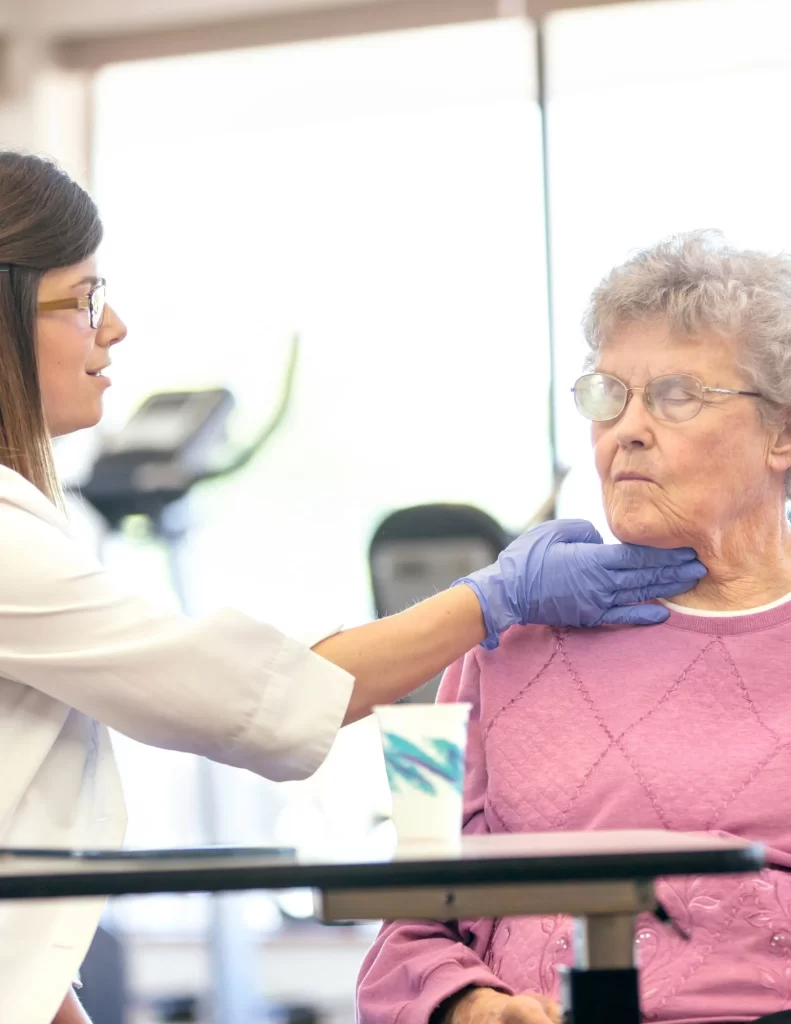
Professional speech therapists provide comprehensive evaluations that identify specific needs and create personalized treatment plans. Assessment includes observing eating and drinking patterns, testing different food textures and liquid consistencies, and evaluating muscle strength and coordination.
Therapists use specialized techniques to determine safe textures and identify effective strategies. This thorough evaluation creates the foundation for successful treatment plans that address individual challenges while maintaining nutritional goals.
Therapeutic Exercises for Muscle Strengthening
Speech therapy for dysphagia includes targeted exercises designed to strengthen swallowing muscles and improve coordination. These exercises focus on tongue strengthening, throat muscle coordination, and breathing techniques that enhance swallowing safety.
Therapists provide clear instruction on performing exercises correctly at home, with ongoing support and progress monitoring. Consistent practice of therapeutic exercises can significantly improve swallowing function and restore confidence in eating various foods safely.
Safe Eating Strategies and Positioning Techniques
Speech therapists teach practical strategies that make eating safer and more enjoyable for individuals with dysphagia. These include optimal positioning during meals, specific swallowing techniques, and environmental modifications that support successful eating experiences.
Therapists provide guidance on food preparation methods, appropriate textures, and meal timing that promotes safe nutrition. Family members learn supportive techniques and positive reinforcement methods that create encouraging environments for mealtime success.
When to Seek Professional Help for Feeding Difficulties
Emergency Signs That Require Immediate Attention
Certain symptoms benefit from prompt professional evaluation to ensure optimal outcomes. Choking while eating episodes, persistent coughing during meals, or concerns about breathing during eating warrant immediate healthcare consultation.
Recurrent respiratory issues following meals or significant changes in eating patterns indicate opportunities for professional intervention. These situations often respond very well to timely assessment and appropriate treatment planning.
Gradual Changes That Need Medical Evaluation
Even subtle changes in eating habits benefit from professional evaluation to prevent complications and maintain quality of life. Increased time needed to finish meals, avoidance of previously enjoyed foods, or concerns about food getting stuck may indicate developing needs.
Voice quality changes after eating, increased throat clearing, or reduced confidence in social eating situations all respond well to professional support and guidance.
Benefits of Early Intervention and Treatment
Seeking professional help early creates the best opportunities for successful outcomes and maintained quality of life. Early intervention often results in more effective treatment and may prevent the need for intensive interventions later.
Home health care services in Houston, Texas provide convenient access to specialized swallowing therapy without transportation challenges. Professional treatment helps maintain proper nutrition, reduces safety concerns, and allows individuals to continue enjoying pleasant, social eating experiences with family and friends.
Healthcare providers who recognize patients with feeding difficulties can easily connect them with appropriate care through our streamlined referral process, ensuring quick access to specialized dysphagia treatment.
Get Expert Dysphagia Care in Your Houston Home with Icon Home Health
When swallowing difficulties affect your family, you deserve compassionate, professional care that comes to you. Our licensed speech therapists specialize in dysphagia treatment, providing comprehensive evaluations and personalized therapy plans in the comfort and privacy of your own home.
At Icon Home Health, we understand that every swallowing challenge is unique. That’s why our speech therapy for dysphagia services are tailored to your specific needs, helping restore safe eating while maintaining the independence and dignity you value most.Ready to take the first step toward safer mealtimes? Contact us today and discover how our Houston-based team can bring expert dysphagia care directly to your doorstep.