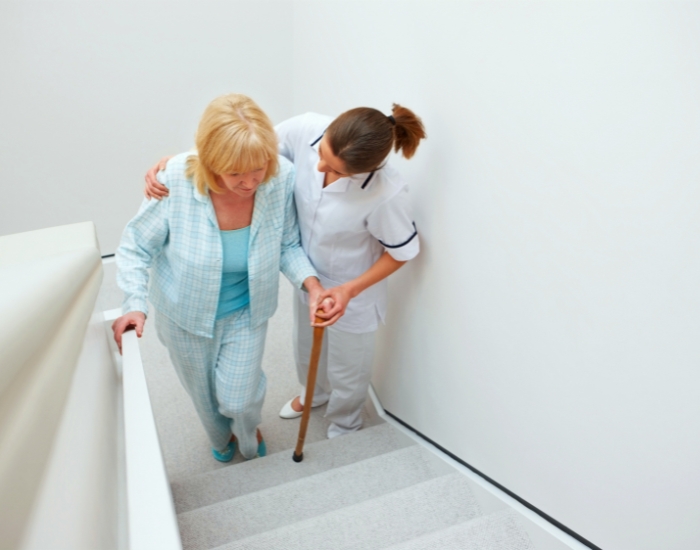
For many seniors, staying at home represents comfort, independence, and a connection to the life they have built over many years. However, as people age, changes in balance, strength, vision, and mobility can make everyday activities more challenging and increase the risk of falls.
Falls are one of the most common safety concerns among older adults, but many falls can be prevented with the right awareness, home modifications, and support.
Families often begin searching for answers when they notice an aging parent becoming less steady while walking, holding onto furniture for support, avoiding certain activities, or feeling less confident moving around the home.
This leads to an important question:
“How can seniors prevent falls while continuing to live safely and independently at home?”
Fall prevention for seniors focuses on reducing risks before an accident happens. It includes improving home safety, maintaining physical strength, addressing balance concerns, reviewing medications, and creating a safer daily routine.
With proper planning and support, many older adults can continue enjoying their homes while reducing unnecessary risks.
This guide explains practical elderly fall prevention strategies, common causes of falls, the role of balance therapy, and how professional home healthcare services can help seniors maintain confidence and independence.
Table of Contents
- Important Note
- What Is Fall Prevention for Seniors?
- Why Do Seniors Have a Higher Risk of Falling?
- Warning Signs an Older Adult May Be at Risk
- Home Safety Tips to Prevent Falls
- How Balance Therapy Helps Prevent Falls
- Role of Physical Therapy in Fall Prevention
- How Skilled Nursing Supports Senior Safety
- Maintaining Senior Independence at Home
- Fall Prevention Support in Houston
- Frequently Asked Questions
- Medical Disclaimer
Important Note
A fall is not always just an accident. For many seniors, it may be a sign that balance, strength, vision, mobility, or home safety needs additional attention. Identifying risks early and making small changes can help older adults stay safer, more confident, and more independent in their own homes.
What Is Fall Prevention for Seniors?
Fall prevention for seniors involves strategies designed to reduce the chances of falling and help older adults move safely through daily activities.
Fall prevention is not about limiting a senior’s independence or asking them to stop doing the things they enjoy. Instead, it focuses on creating an environment where seniors can continue participating in daily life with greater confidence.
A complete fall prevention plan may include:
- Improving home safety
- Strengthening muscles and improving balance
- Using mobility aids correctly when needed
- Reviewing medications with healthcare providers
- Managing vision and hearing concerns
- Learning safer movement techniques
- Receiving professional therapy when appropriate
Every senior has different needs. A person who is recovering from surgery may require different support than someone managing a chronic condition or age-related mobility changes.
The goal is to identify personal risk factors and create a practical plan that supports safety without taking away independence.
Why Do Seniors Have a Higher Risk of Falling?
Falls become more common as people age because several physical and environmental factors can affect stability and movement.
Understanding why falls happen is the first step toward preventing them.
Changes in Balance and Coordination
Balance naturally depends on communication between the brain, muscles, joints, and sensory systems.
As people get older, changes in these systems can make it harder to recover quickly when they lose their balance.
This may happen when turning suddenly, walking on uneven surfaces, or moving from sitting to standing.
Muscle Weakness
Muscle strength plays an important role in maintaining stability.
Weakness in the legs, hips, or core muscles can make everyday movements more difficult, including climbing stairs, standing from a chair, or walking longer distances.
Regular movement and appropriate exercises can help maintain strength and mobility.
Vision Problems
Clear vision helps people recognize obstacles and navigate their surroundings safely.
Changes in eyesight may make it harder to notice hazards such as uneven flooring, poor lighting, or objects in walking paths.
Medication Side Effects
Some medications may affect balance, alertness, or blood pressure.
Seniors should regularly review their medications with their healthcare provider to understand possible side effects and ensure medications are being used safely.
Chronic Health Conditions
Certain health conditions may increase fall risk by affecting strength, sensation, energy levels, or movement.
Examples may include:
- Diabetes-related nerve changes
- Arthritis
- Stroke recovery challenges
- Heart conditions
- Neurological conditions
- Mobility limitations
Managing these conditions properly can play an important role in maintaining safe movement.
Learn more about diabetes management home care and how professional support can help seniors manage chronic health conditions safely.
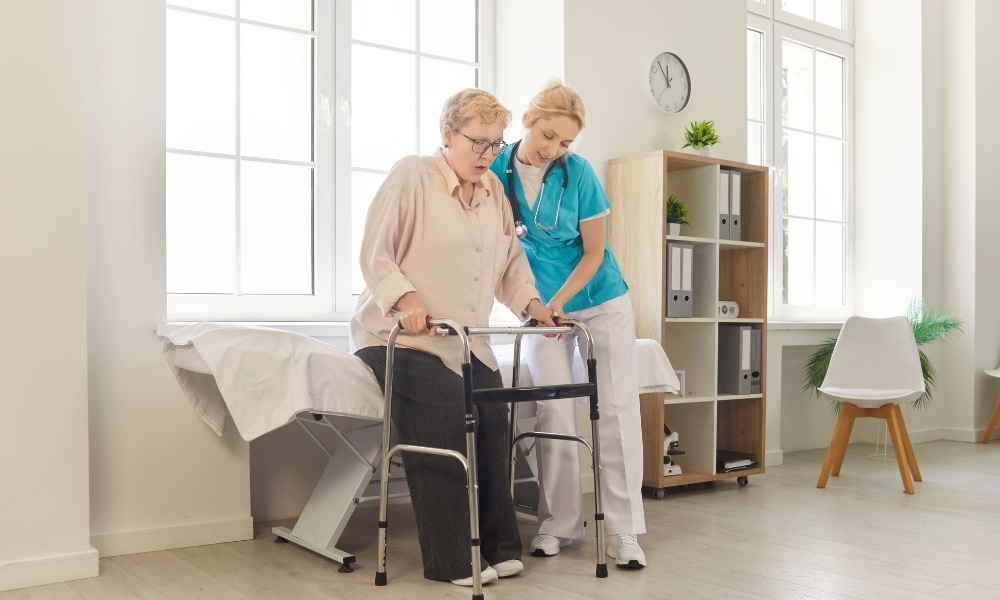
Warning Signs an Older Adult May Be at Risk of Falling
Many seniors experience early warning signs before a fall occurs. Recognizing these changes allows families to provide support before an accident happens.
Some signs that an older adult may have an increased fall risk include:
- Holding onto walls or furniture while walking
- Avoiding stairs or certain areas of the home
- Feeling unsteady when standing
- Difficulty getting up from chairs
- Taking shorter or slower steps
- Complaining about dizziness or weakness
- Having a history of previous falls
- Losing confidence while walking
Sometimes seniors avoid mentioning balance problems because they worry about losing independence.
Families should approach these conversations with understanding and focus on support rather than restriction.
The purpose of fall prevention is to help seniors remain active safely, not to remove their ability to make choices or enjoy daily activities.
Home Safety Tips to Prevent Falls Among Seniors
One of the most effective ways to reduce fall risk is creating a safer home environment. Many falls happen during everyday activities, and small changes around the house can make a significant difference.
Home safety for seniors does not mean making a home feel unfamiliar or restrictive. Instead, it means removing avoidable hazards and making daily movement easier and safer.
Keep Walkways Clear
Clutter, loose objects, and crowded pathways can create unnecessary obstacles.
Families should regularly check areas where seniors walk most often and remove items that could cause trips or difficulty navigating.
This includes:
- Keeping floors free from unnecessary objects
- Securing electrical cords
- Removing items from stairways
- Creating clear walking paths between rooms
Improve Lighting Throughout the Home
Poor lighting can make it harder for seniors to identify obstacles or changes in flooring.
Good lighting is especially important in areas used during nighttime, such as hallways, bathrooms, and bedrooms.
Helpful improvements may include:
- Adding brighter lights where needed
- Using nightlights in frequently used areas
- Ensuring light switches are easily accessible
- Replacing burned-out bulbs promptly
Make Bathrooms Safer
Bathrooms are one of the most common areas where falls occur because wet surfaces can become slippery.
Safety improvements may include:
- Installing grab bars when appropriate
- Using non-slip mats
- Improving shower safety
- Keeping essential items within easy reach
Bathrooms should be designed around the senior’s abilities and comfort level.
Secure Rugs and Flooring
Loose rugs and uneven flooring can create tripping hazards.
Families should check rugs, carpets, and floor surfaces regularly to ensure they are secure and easy to walk across.
Use Mobility Equipment Correctly
Some seniors benefit from mobility aids such as canes or walkers.
However, using equipment incorrectly can sometimes increase risk instead of reducing it.
A healthcare professional can help determine whether a mobility device is appropriate and provide guidance on safe use.
Learn more about walking stick vs cane and how choosing the right support device can improve mobility safety.
Room-by-Room Fall Prevention Checklist for Seniors
A complete safety review should include every area of the home. Different rooms create different challenges, and identifying risks early can help prevent accidents.
Bedroom Safety
Seniors often experience falls when getting out of bed, especially during nighttime.
Helpful steps include:
- Keeping a clear path from the bed to the bathroom
- Using appropriate lighting
- Placing frequently used items within easy reach
- Choosing safe footwear instead of walking barefoot
Kitchen Safety
The kitchen is an important part of daily independence, but reaching high shelves or standing for long periods may create risks.
Safety suggestions include:
- Keeping commonly used items at accessible heights
- Avoiding standing on chairs or unstable surfaces
- Cleaning spills immediately
- Maintaining good lighting
Living Room Safety
Living areas should provide comfortable spaces for movement.
Consider:
- Arranging furniture to create walking space
- Removing loose cords
- Using stable chairs with supportive armrests
- Keeping frequently used items accessible
Stair Safety
Stairs require extra attention because balance and strength are especially important when moving between levels.
Safety steps may include:
- Using secure handrails
- Keeping stairs well lit
- Removing objects from steps
- Avoiding rushing while using stairs
How Balance Therapy Helps Prevent Falls in Seniors
Balance therapy is an important part of many senior fall prevention programs.
Balance is not just about standing still. It involves coordination between muscles, joints, vision, and the nervous system.
As seniors age, balance may decline due to reduced strength, medical conditions, injuries, or changes in mobility.
Balance therapy focuses on improving stability, confidence, and safer movement patterns.
What Happens During Balance Therapy?
A healthcare professional evaluates a person’s mobility, strength, and balance abilities before creating an appropriate plan.
Exercises may focus on:
- Improving leg strength
- Enhancing coordination
- Practicing safe walking techniques
- Improving posture
- Building confidence with movement
Why Confidence Matters After a Fall
After experiencing a fall, some seniors become afraid of falling again. This fear may cause them to move less, which can lead to reduced strength and increased fall risk.
Balance therapy helps seniors rebuild confidence by teaching safer ways to move and encouraging appropriate activity.
The goal is not simply preventing falls. It is helping seniors continue participating in the activities that matter to them.
Learn more about in-home physical therapy in Houston and how rehabilitation services can support safe recovery and mobility improvement.
Important Note
Experiencing balance changes does not mean a senior must give up independence. Many older adults improve their safety and confidence with the right combination of home modifications, exercise, therapy, and healthcare support. Every person’s situation is different, so a personalized approach is often the most effective way to reduce fall risk.
The Role of Physical Therapy in Senior Fall Prevention
Physical therapy is one of the most effective tools for helping seniors maintain mobility and reduce fall risk.
A physical therapist evaluates how a person moves and identifies areas that may contribute to instability.
Based on the evaluation, therapy may focus on improving:
- Strength
- Balance
- Flexibility
- Walking ability
- Body awareness
- Safe movement techniques
Why In-Home Physical Therapy Can Be Helpful
For many seniors, traveling to a therapy clinic can be challenging.
In-home physical therapy allows patients to receive rehabilitation in their actual living environment.
This provides several advantages because therapists can observe real-life challenges, such as navigating stairs, moving between rooms, or safely completing daily activities.
Home-based therapy can be especially beneficial after surgery, illness, injury, or a decline in mobility.
Learn more about physical therapy services and how rehabilitation can support senior independence.
How Skilled Nursing Supports Fall Prevention for Seniors
Skilled nursing can play an important role in helping seniors remain safe at home, especially those who have medical conditions, mobility challenges, or a history of falls.
A skilled nurse does more than provide medical care. They evaluate the patient’s overall health, identify potential safety concerns, and help coordinate care that supports long-term independence.
For seniors at risk of falling, skilled nursing support may include:
- Assessing fall risk factors
- Monitoring chronic health conditions
- Reviewing medication concerns with the healthcare team
- Educating patients and caregivers
- Supporting safe daily routines
- Communicating changes with physicians
Many falls happen because of a combination of factors rather than one single cause. A nurse can help identify how health conditions, medications, mobility limitations, and home safety concerns may work together to increase risk.
Chronic Condition Management and Fall Prevention
Managing existing health conditions is an important part of preventing falls.
Conditions such as diabetes, heart disease, stroke recovery challenges, and arthritis may affect strength, balance, sensation, or energy levels.
Proper management can help seniors maintain better mobility and confidence.
Learn more about skilled nursing care at home and how professional healthcare support helps seniors manage complex medical needs.
How Fall Prevention Helps Seniors Maintain Independence
The goal of elderly fall prevention is not to limit what seniors can do. It is to help them continue living safely and confidently.
Many older adults worry that discussing fall risks means they will lose control over their daily lives. However, the right prevention strategies often have the opposite effect.
When seniors feel safer moving around their homes, they may be more willing to:
- Participate in daily activities
- Spend time with family and friends
- Maintain personal routines
- Stay physically active
- Continue hobbies and interests
Building Confidence Through Safe Movement
Confidence is an important part of independence.
After experiencing a fall or noticing mobility changes, some seniors may begin avoiding activities they enjoy. Over time, reduced activity can contribute to decreased strength and mobility.
A combination of safe exercise, therapy, home adjustments, and professional support can help seniors regain confidence.
Supporting Aging in Place
Aging in place means allowing older adults to remain in their preferred home environment while receiving the support they need.
With proper planning, many seniors can continue living at home safely while maintaining dignity and independence.
Fall prevention is one important part of creating a successful aging-in-place plan.
Learn more about how home health care improves quality of life and supports seniors who want to remain comfortable at home.
Fall Prevention Support for Seniors in Houston, Sugar Land, Katy, and Surrounding Areas
Families searching for senior safety solutions often look for trusted healthcare professionals who can provide support in the home environment.
Icon Home Health offers compassionate home healthcare services designed to help seniors maintain safety, mobility, and independence.
Our team supports older adults through personalized care plans that may include:
- Skilled nursing services
- Physical therapy
- Balance and mobility support
- Chronic condition management
- Patient education
- Care coordination
Our services are available for seniors throughout:
- Houston
- Sugar Land
- Katy
- Richmond
- Missouri City
- Cypress
- Fresno
- Manvel
- Alvin
- Nearby communities
We understand that every senior has different goals, challenges, and preferences. Our approach focuses on helping patients remain safe while preserving their independence and quality of life.
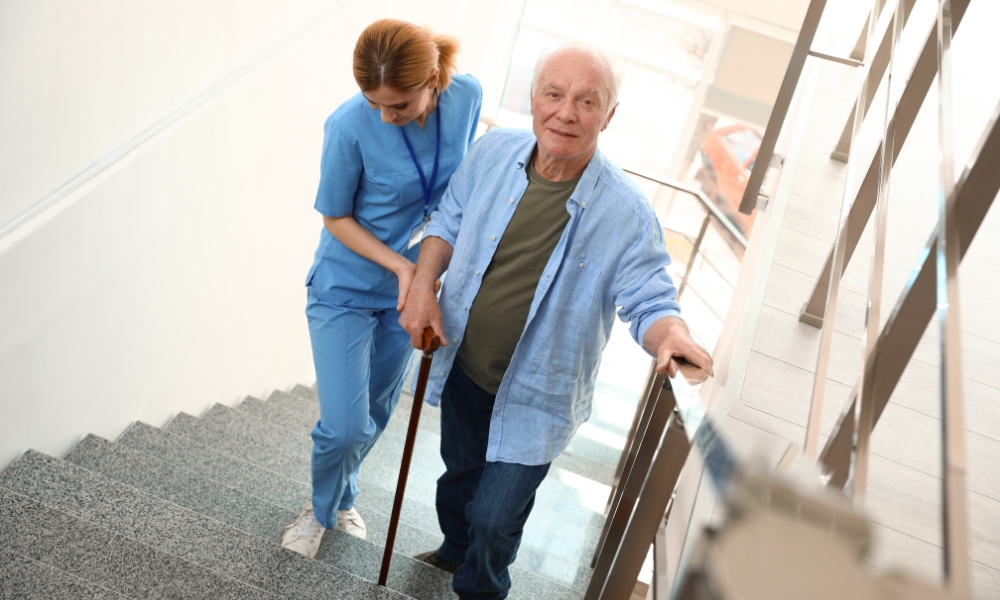
Why Choose Icon Home Health for Senior Fall Prevention Support?
Helping seniors stay safe at home requires more than identifying risks. It requires understanding the person behind the care plan.
At Icon Home Health, our team provides personalized healthcare support focused on improving safety, comfort, and independence.
Our professionals work with patients and families to:
- Identify mobility challenges
- Support recovery and rehabilitation
- Improve confidence with daily activities
- Provide healthcare education
- Create individualized care strategies
Whether a senior needs support after a health event, help managing a chronic condition, or assistance improving mobility, our team is committed to providing compassionate care at home.
We believe seniors should have the opportunity to age safely while staying connected to the environment they know and love.
Frequently Asked Questions About Fall Prevention for Seniors
What are the best fall prevention tips for seniors?
The best fall prevention strategies include improving home safety, maintaining strength and balance, reviewing medications, addressing vision concerns, and receiving professional support when needed.
Why do elderly people fall more often?
Seniors may have a higher fall risk due to changes in balance, muscle strength, vision, mobility, medications, or certain medical conditions.
How can I make my home safer for an elderly parent?
Home safety improvements may include improving lighting, removing clutter, securing rugs, adding bathroom safety features, and creating clear walking paths.
Does physical therapy help prevent falls in seniors?
Yes. Physical therapy can help improve strength, balance, coordination, and walking ability, which may help seniors move more safely.
What is balance therapy for seniors?
Balance therapy includes exercises and movement training designed to improve stability, coordination, and confidence during daily activities.
How can a home health nurse help prevent falls?
A home health nurse can evaluate health risks, monitor medical conditions, educate patients and caregivers, and coordinate care with healthcare providers.
Should seniors stop activities because they are afraid of falling?
No. Avoiding activity completely may reduce strength and confidence. The goal of fall prevention is to help seniors participate safely with the right support.
When should an elderly person receive professional fall prevention support?
Professional support may be helpful when a senior has experienced falls, shows balance changes, has difficulty walking, or needs help managing health conditions affecting mobility.
Can fall prevention help seniors age at home?
Yes. Fall prevention strategies can support aging in place by making the home safer and helping seniors maintain independence.
How do I start a fall prevention plan for my loved one?
Begin by identifying safety concerns, discussing them with a healthcare provider, and considering services such as physical therapy or home healthcare support.
Final Thoughts: Helping Seniors Stay Safe and Independent at Home
Falls can affect a senior’s confidence, mobility, and quality of life, but many risks can be reduced with proactive planning and support.
Fall prevention for seniors combines home safety improvements, balance training, healthcare support, and lifestyle changes to help older adults continue living independently.
From removing household hazards to improving strength and mobility through therapy, every step can contribute to a safer home environment.
Professional support from skilled nurses and therapists can provide families with valuable guidance while helping seniors maintain comfort and confidence.
If you or your loved one needs assistance creating a safer home healthcare plan, Icon Home Health is here to help.
Contact Icon Home Health today to learn how our skilled nursing and therapy services can support senior safety, mobility, and independence at home.
Medical Disclaimer
This article is for informational purposes only and does not replace professional medical advice, diagnosis, or treatment. Every individual’s health situation is different. Always consult a qualified healthcare professional before making decisions about fall prevention, exercise, mobility, or medical care.