A wound may seem like a small health concern at first, but proper care plays a major role in how quickly and safely it heals. For some people, especially seniors or individuals managing chronic conditions, wound healing can become complicated and require professional medical attention.
This is when many families begin asking an important question:
“Can wound care be done at home, or do I need a professional nurse?”
The answer depends on the type of wound, the patient’s overall health, and how well the wound is healing. While some minor injuries may improve with basic care, other wounds require specialized monitoring and treatment from a trained healthcare professional.
Wound care at home allows eligible patients to receive skilled medical support without frequent trips to clinics or hospitals. A wound care nurse can assess healing progress, provide appropriate treatments, educate patients and caregivers, and help prevent complications.
This type of support can be especially important for patients recovering after surgery, people living with diabetes, individuals with limited mobility, and seniors who may experience slower healing.
Families often search for answers such as:
- When does a wound need professional nursing care?
- Can a nurse help with wound care at home?
- What does a wound care nurse do?
- How does diabetic wound care work?
- When should I worry about a wound not healing?
- Does Medicare cover wound care nursing services?
This guide explains how professional wound care works at home, when skilled nursing is needed, and how proper treatment can support safer healing and better outcomes.
Table of Contents
- Important Note
- What Is Wound Care at Home?
- When Does a Wound Need Professional Nursing?
- What Does a Wound Care Nurse Do?
- Types of Wounds That May Need Home Nursing
- Diabetic Wound Care at Home
- Post-Surgical Wound Care at Home
- How Skilled Nursing Supports Wound Healing
- Warning Signs a Wound May Need Medical Attention
- Preventing Wounds and Supporting Healing
- Wound Care Services in Houston
- Frequently Asked Questions
- Medical Disclaimer
Important Note
Not every wound requires professional nursing care, but delaying treatment for a serious or slow-healing wound can increase the risk of complications. Understanding when to seek help can make a significant difference in healing, comfort, and overall health. Professional wound care provides patients and families with guidance, monitoring, and support throughout the healing process.
What Is Wound Care at Home?
Wound care at home refers to medical wound treatment provided in a patient’s residence by qualified healthcare professionals.
Instead of traveling to a clinic or hospital for every dressing change or wound evaluation, eligible patients can receive skilled care in the comfort of their own homes.
Home-based wound care is commonly used for patients who have wounds that require ongoing monitoring, specialized treatment, or professional assessment.
A wound care nurse may help with:
- Evaluating wound condition
- Cleaning and dressing wounds
- Monitoring healing progress
- Recognizing signs of infection
- Managing wound-related complications
- Educating patients and caregivers
- Communicating updates with physicians
The goal of home wound care is not only to treat the existing wound but also to support proper healing and reduce the risk of future problems.
For many patients, receiving care at home provides comfort and convenience while still ensuring professional medical oversight.
Learn more about skilled nursing care at home and how licensed nurses support patients with complex healthcare needs.
When Does a Wound Need Professional Nursing Care?
Many people wonder whether a wound is serious enough to require a nurse visit. The answer depends on several factors, including the wound type, healing progress, and the patient’s medical history.
A wound may require professional nursing care when it:
- Does not appear to be healing properly
- Requires frequent dressing changes
- Results from surgery or a medical procedure
- Occurs in someone with diabetes
- Is associated with poor circulation
- Requires specialized treatment
- Shows possible signs of infection
Patients with certain health conditions may need closer monitoring because their bodies may heal more slowly.
For example, individuals with diabetes may develop foot wounds that require specialized attention. Similarly, older adults may experience slower tissue repair due to age-related changes, reduced mobility, or other medical conditions.
A professional wound care nurse can identify concerns early and help ensure the treatment plan is appropriate for the patient’s needs.
Why Early Wound Care Matters
Ignoring a wound that is not healing properly can allow problems to become more serious.
Early professional evaluation can help identify issues such as infection, delayed healing, or underlying health factors affecting recovery.
Professional wound care also helps patients and caregivers feel more confident because they understand how to properly care for the wound between visits.
What Does a Wound Care Nurse Do?
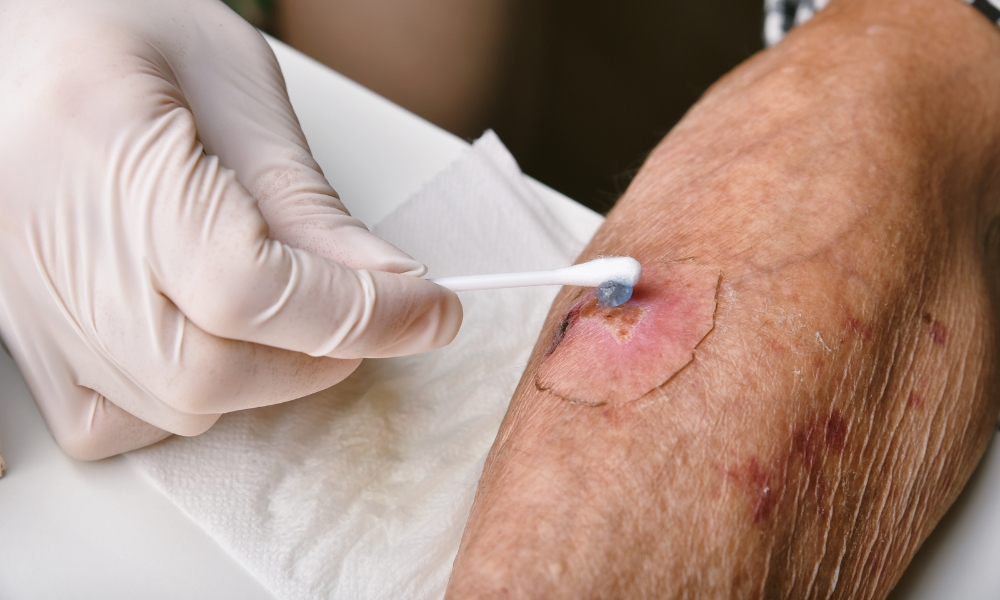
A wound care nurse is a healthcare professional trained to assess, manage, and support the healing of different types of wounds.
Wound care involves much more than simply changing a bandage. Proper wound management requires understanding how wounds heal, identifying complications, selecting appropriate treatments, and monitoring progress over time.
During a home visit, a wound care nurse may:
- Assess wound size and condition
- Monitor changes in healing
- Perform dressing changes
- Provide wound cleaning and treatment
- Watch for infection risks
- Educate patients about wound care routines
- Teach caregivers proper techniques
- Coordinate care with physicians
Because wound healing can change from week to week, regular professional assessment helps ensure treatment remains appropriate.
A wound care nurse also considers the patient’s overall health rather than focusing only on the wound itself.
Factors such as nutrition, circulation, mobility, medications, and chronic conditions can all affect healing.
Types of Wounds That May Need Home Nursing Support
Different wounds require different approaches. Some heal quickly with basic care, while others require ongoing professional management.
Common wounds that may benefit from home nursing include:
Surgical Wounds
After surgery, patients may need wound monitoring to ensure proper healing and identify possible complications.
A nurse can help monitor incision sites, provide dressing changes, and educate patients about recovery instructions.
Diabetic Wounds
People with diabetes may experience wounds that heal more slowly due to circulation problems, nerve changes, or difficulty controlling blood sugar levels.
These wounds often require careful monitoring and specialized care.
Pressure Injuries
Patients with limited mobility may develop pressure-related wounds from prolonged pressure on certain areas of the body.
Prevention and treatment often involve repositioning strategies, skin monitoring, and professional guidance.
Chronic Wounds
Some wounds continue for extended periods and require ongoing evaluation.
Chronic wound care often involves identifying factors that may be slowing healing and adjusting treatment approaches.
Diabetic Wound Care at Home: Why Professional Monitoring Matters
Diabetic wound care is one of the most common reasons patients may require professional nursing support at home. People living with diabetes often face unique challenges when it comes to wound healing, making early attention and proper management extremely important.
Diabetes can affect the body’s natural healing process in several ways. Elevated blood sugar levels may impact circulation, immune function, and nerve sensitivity. As a result, some individuals may not notice injuries immediately or may experience wounds that take longer to heal.
For example, a small cut or blister on the foot may seem harmless, but without proper attention, it can become more difficult to manage.
A wound care nurse can help diabetic patients by monitoring healing progress, providing treatment recommendations, and educating patients about protecting their skin and preventing future wounds.
Why Are Diabetic Wounds More Difficult to Heal?
Several factors can contribute to slower wound healing in people with diabetes.
These may include:
- Reduced blood circulation
- Nerve damage that reduces sensation
- Higher risk of infection
- Difficulty maintaining healthy blood sugar levels
- Reduced ability of the body to repair damaged tissue
Because diabetic wounds can sometimes worsen without obvious symptoms, regular monitoring is important.
A healthcare professional can identify changes that may not be noticeable to the patient or family members.
How Home Nurses Support Diabetic Patients
Home nursing services can provide valuable support for individuals managing diabetes-related wounds.
A nurse may assist with:
- Wound assessment and monitoring
- Proper dressing changes
- Patient education
- Blood sugar management guidance
- Foot care awareness
- Communication with physicians
Education is especially important because patients and caregivers need to understand how daily habits affect wound healing.
Learn more about diabetes management home care and how professional support helps individuals manage diabetes-related health concerns.
Post-Surgical Wound Care at Home: Supporting Safe Recovery
After surgery, the healing process continues long after a patient leaves the hospital. Proper post-surgical wound care plays an important role in preventing complications and supporting recovery.
Many patients and families feel uncertain after returning home. They may wonder:
- Is my incision healing normally?
- How often should the dressing be changed?
- What symptoms should I watch for?
- When should I contact my doctor?
A home health nurse provides professional guidance during this important recovery period.
How Nurses Help After Surgery
A skilled nurse may evaluate the surgical site, monitor healing progress, and provide instructions based on the physician’s treatment plan.
Post-surgical nursing support may include:
- Checking incision sites
- Changing dressings
- Monitoring for possible infection
- Reviewing medication instructions
- Helping patients understand recovery steps
- Reporting concerns to the healthcare team
This support can be especially helpful for older adults or patients recovering from major procedures who may have additional healthcare needs.
Common Signs a Surgical Wound May Need Attention
While every recovery is different, patients should contact their healthcare provider if they notice concerning changes such as worsening discomfort, unusual drainage, increased swelling, or other unexpected symptoms.
A nurse can help monitor these changes and determine whether additional medical evaluation may be needed.
Learn more about home health care after surgery and how skilled professionals support patients during recovery.
Important Note
A wound that looks small does not always mean it is harmless. Some wounds require careful evaluation because underlying conditions, medications, circulation problems, or chronic illnesses may affect healing. Professional wound care does not mean a patient has failed to heal independently—it provides additional support to help the body recover safely.
How Skilled Nursing Supports Wound Healing at Home
Skilled nursing plays an important role in helping patients recover from complex wounds while remaining in their own homes.
Unlike basic wound assistance, skilled nursing involves medical care that requires professional training and clinical judgment.
A skilled nurse understands that successful wound healing depends on more than treating the wound itself. The nurse considers the patient’s complete health picture, including medications, nutrition, mobility, medical conditions, and lifestyle factors.
Assessment and Monitoring
One of the most important responsibilities of a skilled nurse is regularly evaluating the wound.
During visits, the nurse may monitor:
- Changes in wound appearance
- Healing progress
- Signs of complications
- Patient comfort levels
- Response to treatment
Consistent monitoring allows healthcare professionals to recognize concerns earlier and adjust care when needed.
Professional Dressing Changes
Proper dressing techniques are essential for protecting wounds and supporting healing.
A skilled nurse understands how different wounds require different approaches and can follow the treatment plan established by the healthcare provider.
Patient and Family Education
Education is a major part of successful wound care.
Nurses teach patients and caregivers how to:
- Protect the wound between visits
- Recognize warning signs
- Follow treatment instructions
- Support healthier healing habits
When families understand proper wound care practices, patients often feel more confident during recovery.
Care Coordination
Wound healing often involves multiple healthcare professionals.
A skilled nurse helps communicate important updates with physicians and other members of the care team to support coordinated treatment.
Learn more about skilled nursing care at home and how professional nursing services support patients with complex medical needs.
Warning Signs a Wound May Need Medical Attention
Knowing when to seek professional help is one of the most important parts of wound care.
While some changes are part of the normal healing process, certain symptoms may indicate that additional evaluation is needed.
Patients and caregivers should pay attention to changes such as:
- A wound that is not improving over time
- Increasing redness around the area
- New swelling or worsening discomfort
- Changes in drainage
- Unusual odor from the wound
- Fever or feeling generally unwell
- Darkening or concerning changes in the skin
These signs do not always mean a serious problem is present, but they should be discussed with a healthcare professional.
Early attention can help prevent minor concerns from becoming more complicated.
Why Home-Based Wound Care Can Be Better for Many Patients
Recovering at home provides benefits that extend beyond convenience.
For many patients, being cared for in a familiar environment can reduce stress and make the healing process more comfortable.
Home wound care allows healthcare professionals to see the patient’s real daily environment and provide more personalized recommendations.
For example, a nurse may identify challenges related to mobility, medication routines, safety concerns, or caregiver support that may not be obvious during a short clinic appointment.
This personalized approach helps create a more complete understanding of the patient’s needs.
How to Prevent Wounds and Support Better Healing at Home
While professional wound care is essential when injuries occur, prevention remains one of the most effective ways to protect overall health. This is especially important for seniors, people living with diabetes, individuals with limited mobility, and patients recovering from medical procedures.
Healthy skin, proper nutrition, safe movement, and regular health monitoring can all contribute to better healing and reduce the likelihood of developing difficult-to-treat wounds.
Maintain Healthy Skin
Skin is the body’s first protective barrier. Keeping skin clean, moisturized, and protected can help reduce the risk of cracks, irritation, and injuries.
Patients and caregivers should regularly check areas where wounds may develop, especially if a person has reduced sensation or limited mobility.
Monitor Feet Carefully If You Have Diabetes
Foot care is especially important for individuals with diabetes.
Because diabetes can sometimes affect sensation, a person may not notice small injuries immediately. Regular foot checks and proper footwear can help reduce the risk of complications.
Patients should discuss personalized foot care recommendations with their healthcare provider.
Support Healthy Nutrition
The body needs proper nutrients to repair damaged tissue and support healing.
A balanced diet that includes appropriate amounts of protein, vitamins, minerals, and fluids can support overall recovery.
Patients with chronic conditions should follow nutrition recommendations provided by their healthcare team.
Improve Mobility and Prevent Pressure Injuries
Patients who spend long periods sitting or lying down may have a higher risk of pressure-related wounds.
Safe movement, repositioning, and following mobility recommendations can help protect skin health.
Patients receiving physical therapy or skilled nursing care may benefit from professional guidance on safe movement strategies.
Learn more about in-home physical therapy for seniors and how rehabilitation support can improve mobility and independence.
When Should You Consider Hiring a Wound Care Nurse?
Many families are unsure about when professional wound care becomes necessary. Some wait until a wound becomes painful or difficult to manage, but early support may help prevent complications.
You may want to discuss home nursing services with your healthcare provider if:
- The wound requires regular dressing changes
- The wound is related to surgery
- The patient has diabetes
- The wound has not improved as expected
- The patient has difficulty managing care independently
- The wound requires specialized treatment
- The patient has other medical conditions affecting healing
A wound care nurse can provide professional assessment and ongoing support based on the patient’s individual situation.
The goal is not only treating the current wound but also helping patients understand how to protect their health moving forward.
Professional Wound Care Services in Houston, Sugar Land, Katy, and Surrounding Areas
For families searching for wound care at home in Houston, receiving support from a trusted local healthcare provider can make the recovery process easier and more comfortable.
Icon Home Health provides compassionate, Medicare-certified home healthcare services designed to help patients receive professional care in the place they call home.
Our skilled nursing services support patients who need assistance with:
- Wound monitoring and treatment support
- Post-surgical recovery
- Chronic condition management
- Diabetes-related care
- Medication management
- Health education
- Care coordination
We proudly serve patients throughout:
- Houston
- Sugar Land
- Katy
- Richmond
- Missouri City
- Cypress
- Fresno
- Manvel
- Alvin
- Surrounding communities
Our team works closely with physicians, patients, and families to create personalized care plans focused on healing, safety, and improved quality of life.
Learn more about home health care in Houston and how professional healthcare services can be delivered directly to your home.
Why Choose Icon Home Health for Home Wound Care?
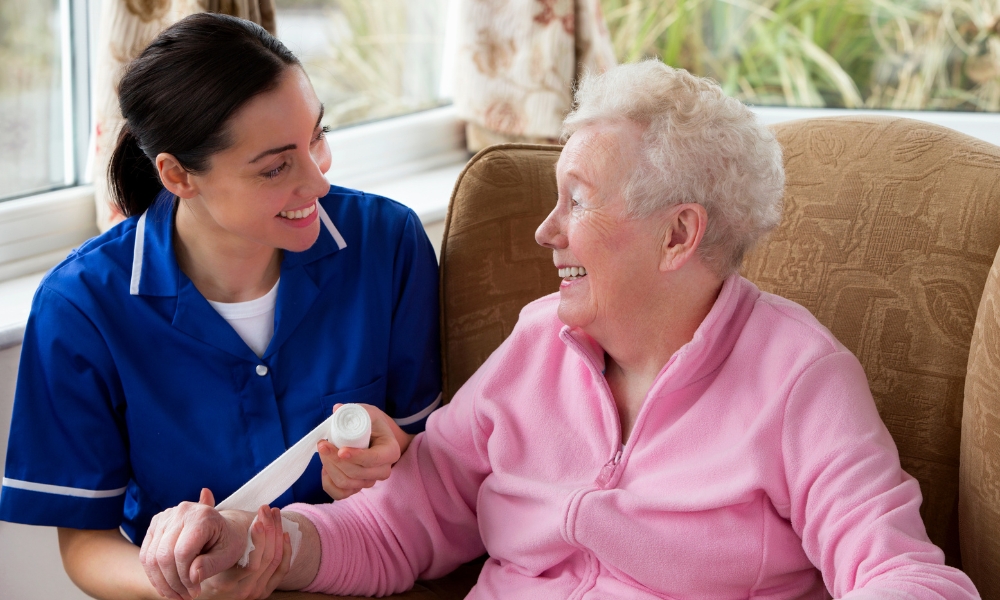
When a patient needs wound care, families want more than medical treatment. They want compassionate professionals who understand the physical and emotional challenges that come with recovery.
At Icon Home Health, our approach focuses on patient-centered care that respects each person’s unique needs, preferences, and health goals.
Our experienced healthcare team provides support through:
- Skilled nursing services
- Wound care support
- Physical therapy
- Occupational therapy
- Speech therapy
- Chronic disease management
- Patient education
We believe healing happens best when patients receive the right care, at the right time, in the right environment.
By bringing healthcare into the home, we help patients maintain comfort while receiving professional medical attention.
Frequently Asked Questions About Wound Care at Home
Can a nurse provide wound care at home?
Yes. Qualified home health nurses can provide wound care services at home for eligible patients. This may include wound assessments, dressing changes, monitoring healing progress, and communicating with healthcare providers.
What does a wound care nurse do?
A wound care nurse evaluates wounds, provides treatment according to the care plan, monitors healing, identifies possible concerns, and educates patients and caregivers about proper wound management.
How do I know if my wound needs professional care?
A wound may need professional care if it is not healing properly, requires frequent treatment, occurs after surgery, is related to diabetes, or shows signs that may require medical evaluation.
Does Medicare cover wound care at home?
Medicare may cover certain home health wound care services when eligibility requirements are met. Coverage generally depends on medical necessity, physician involvement, and receiving care through a Medicare-certified home health agency.
Can diabetic wounds be treated at home?
Yes, many diabetic wounds can be managed at home with professional guidance. Because diabetes may affect healing, regular monitoring by healthcare professionals can be especially important.
How long does wound care at home take?
The healing timeline depends on the type of wound, overall health, treatment plan, and how the body responds to care. Some wounds heal quickly, while others require longer-term management.
What is the difference between regular wound care and skilled nursing wound care?
Regular wound care may involve basic cleaning and protection, while skilled nursing wound care involves professional assessment, medical treatment, monitoring, and care coordination.
Can home nursing prevent wound complications?
Professional monitoring can help identify concerns earlier and ensure wounds are managed according to healthcare recommendations, which may reduce the risk of complications.
Who is most likely to need wound care nursing?
Patients recovering from surgery, individuals with diabetes, seniors, people with chronic wounds, and those with limited mobility may benefit from professional wound care nursing.
How can I arrange wound care services at home?
The first step is usually discussing your needs with your physician and contacting a qualified home health agency to determine eligibility and available services.
Final Thoughts: Professional Wound Care Can Support Safer Healing at Home
A wound may start as a small concern, but proper treatment and monitoring can make a significant difference in recovery.
For patients who need additional support, wound care at home provides access to professional nursing services without the stress of frequent travel to healthcare facilities.
A skilled wound care nurse can help patients manage surgical wounds, diabetic wounds, chronic wounds, and other healing challenges while providing education and reassurance throughout the process.
Receiving care at home allows patients to recover in a familiar environment while still benefiting from professional medical expertise.
If you or a loved one needs wound care support, Icon Home Health provides compassionate, skilled nursing services designed to help patients heal safely and maintain independence at home.
Contact Icon Home Health today to learn how professional wound care services can support your recovery journey.
Medical Disclaimer
This content is for informational purposes only and should not replace professional medical advice, diagnosis, or treatment. Every patient’s condition is different. Always consult your physician or qualified healthcare provider for guidance regarding wound care and treatment options.