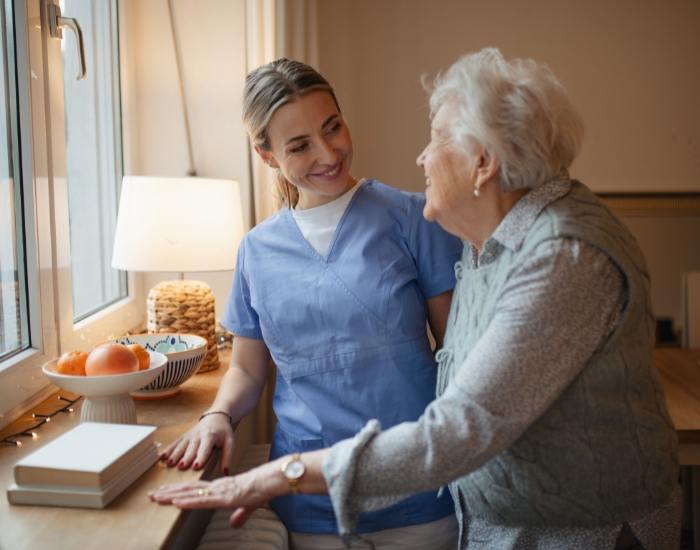
Growing Older Doesn’t Mean Giving Up Independence
Most older adults share a common goal: they want to remain in the place they know and love for as long as possible. Home is more than a physical location. It is where memories were made, routines were established, and family connections continue to grow.
As health needs change with age, many seniors and their families begin exploring options that provide support without sacrificing independence. This is where senior home health care can make a meaningful difference.
Home health care brings professional medical services directly to the patient rather than requiring frequent travel to healthcare facilities. For many older adults, this approach combines quality medical care with the comfort and familiarity of home.
Beyond treating medical conditions, home health services often improve confidence, safety, mobility, emotional well-being, and overall quality of life. Seniors can receive personalized care while continuing to participate in the routines and activities that matter most to them.
Families frequently ask questions such as:
- How does home health care help seniors remain independent?
- Can home health services improve quality of life?
- What are the benefits of aging in place?
- How does home health care support recovery and wellness?
- When should seniors consider home health services?
This guide explores how home health care supports older adults physically, emotionally, and socially while helping them maintain independence at home.
Table of Contents
- Important Note
- What Is Senior Home Health Care?
- Why Quality of Life Matters for Seniors
- How Home Health Care Supports Aging in Place
- Maintaining Independence at Home
- Improving Safety and Reducing Risks
- Supporting Physical Health and Recovery
- The Emotional Benefits of Home Health Care
- How Home Health Care Helps Family Caregivers
- Senior Home Health Care in Houston
- Frequently Asked Questions
- Medical Disclaimer
Important Note
Many families assume that growing older automatically means losing independence. In reality, the right support can help seniors continue living safely, comfortably, and confidently at home. Understanding how home health care improves daily life may help families make proactive decisions before health challenges become overwhelming.
What Is Senior Home Health Care?
Senior home health care refers to professional healthcare services delivered in the comfort of an older adult’s home.
Unlike non-medical assistance alone, home health care often includes skilled services provided by licensed healthcare professionals. Care is typically coordinated with the patient’s physician and tailored to individual medical needs.
Depending on the situation, home health services may include:
- Skilled nursing care
- Physical therapy
- Occupational therapy
- Speech therapy
- Medication management support
- Chronic disease monitoring
- Patient and caregiver education
The goal is not simply to provide treatment. Home health care aims to help seniors remain healthier, safer, and more independent while living at home.
Learn more about home health care in Houston and how personalized care plans support seniors throughout the recovery and aging process.
Why Quality of Life Matters as We Age
Quality of life means more than managing medical conditions. It includes the ability to enjoy daily activities, maintain relationships, make personal choices, and feel connected to the world around us.
For many older adults, quality of life is closely tied to independence.
Being able to wake up in one’s own home, prepare a favorite meal, spend time with family, and participate in familiar routines can contribute significantly to emotional well-being.
Unfortunately, health challenges can sometimes interfere with these experiences.
Conditions such as heart disease, diabetes, arthritis, stroke recovery, mobility limitations, and respiratory illnesses may create obstacles that make daily life more difficult.
Home health care helps address these challenges by providing professional support while allowing seniors to remain in an environment where they feel most comfortable.
Instead of focusing solely on illness, home health professionals often help patients maximize their abilities and maintain meaningful daily activities.
How Home Health Care Supports Aging in Place
Aging in place refers to the ability to live safely and independently in one’s own home as long as possible.
This concept has become increasingly important as more seniors express a desire to remain at home rather than relocate to institutional care settings.
Home health care often plays a vital role in making aging in place possible.
Healthcare professionals assess the patient’s needs, identify potential risks, and create strategies that support safety and independence.
For example, a physical therapist may help improve balance and mobility, while a skilled nurse monitors chronic conditions and medication routines.
Together, these services help seniors continue living in familiar surroundings while receiving the medical support they need.
The benefits of aging in place may include:
- Greater comfort and familiarity
- Maintained personal routines
- Increased emotional well-being
- Stronger family connections
- More independence in daily life
- Reduced stress associated with relocation
For many older adults, remaining at home contributes to both physical and emotional health.

Maintaining Independence at Home
One of the greatest home health benefits is helping seniors maintain independence.
Many older adults worry that accepting healthcare assistance means losing control over their lives. In reality, the opposite is often true.
Professional support can help seniors continue performing daily activities safely while reducing the risk of serious health setbacks.
For example, a patient recovering from surgery may receive physical therapy that improves strength and mobility. Rather than becoming dependent on others, therapy helps the patient regain confidence and function.
Similarly, someone managing diabetes or heart failure may benefit from skilled nursing visits that help them understand medications, monitor symptoms, and avoid complications.
The goal is to empower seniors, not limit them.
Home health professionals focus on helping patients perform tasks as independently as possible while providing assistance where needed.
This balance often contributes to improved confidence and a greater sense of control over daily life.
Improving Safety and Reducing Health Risks
Safety concerns become increasingly important as people age.
Falls, medication errors, mobility limitations, and unmanaged chronic conditions can significantly affect quality of life.
Home health care professionals help identify risks before they become serious problems.
During home visits, healthcare providers can evaluate factors such as:
- Mobility challenges
- Fall risks
- Medication routines
- Home safety concerns
- Chronic disease symptoms
- Changes in physical functioning
Addressing these issues early may help prevent injuries, hospitalizations, and unnecessary complications.
For seniors and families, knowing that healthcare professionals are monitoring these concerns can provide valuable peace of mind.
Supporting Physical Health and Recovery at Home
One of the most valuable benefits of senior home health care is the ability to support physical health in a setting where seniors feel comfortable and confident.
Many older adults face health challenges that require ongoing monitoring, rehabilitation, or medical guidance. Traveling to appointments can sometimes be difficult due to mobility issues, transportation limitations, fatigue, or recovery needs.
Home health care eliminates many of these obstacles by bringing professional healthcare services directly to the patient.
This allows seniors to receive consistent support while remaining in a familiar environment.
Healthcare professionals work closely with patients to address both immediate concerns and long-term wellness goals.
Rather than focusing solely on illness, home health services often emphasize maintaining function, preventing decline, and supporting overall quality of life.
The Role of Skilled Nursing in Senior Health
Many seniors living with chronic conditions benefit from ongoing nursing support.
Skilled nursing services provide professional medical care that helps patients manage health conditions safely at home.
Skilled nurses can monitor symptoms, educate patients, review medications, and communicate important updates with physicians.
These services are particularly valuable for seniors managing conditions such as:
- Heart failure
- Diabetes
- Chronic obstructive pulmonary disease (COPD)
- Hypertension
- Post-surgical recovery needs
- Wound care requirements
Regular monitoring may help identify potential concerns before they become serious complications.
For example, a nurse visiting a patient with heart failure may recognize subtle signs of worsening symptoms and communicate with the healthcare team before hospitalization becomes necessary.
Learn more about skilled nursing care at home and how nursing professionals help support senior wellness.
How Physical Therapy Helps Seniors Stay Active
Mobility plays a major role in maintaining independence and quality of life.
When movement becomes difficult, seniors may become less active, which can contribute to additional physical and emotional challenges.
Physical therapy helps older adults improve strength, flexibility, balance, endurance, and mobility.
For seniors recovering from surgery, injury, hospitalization, or illness, therapy often becomes a critical part of the recovery process.
Benefits of in-home physical therapy may include:
- Improved balance
- Increased strength
- Reduced fall risk
- Better mobility
- Enhanced confidence during daily activities
- Greater independence
Because therapy occurs in the home environment, patients can practice movements and exercises that directly relate to their everyday routines.
This practical approach often makes therapy more meaningful and effective.
Learn more about in-home physical therapy and how rehabilitation supports healthy aging.
Occupational Therapy and Everyday Independence
Many people think of rehabilitation only in terms of walking or physical movement, but independence involves much more than mobility.
Everyday tasks such as dressing, bathing, cooking, grooming, and moving safely around the home are also important parts of daily living.
Occupational therapists help seniors maintain or regain the ability to perform these activities as independently as possible.
Therapy may focus on:
- Daily living skills
- Adaptive techniques
- Energy conservation
- Home safety recommendations
- Functional mobility
By addressing these practical challenges, occupational therapy can significantly improve confidence and quality of life.
Learn more about occupational therapy services and how they support independent living.
Speech Therapy Can Improve Communication and Safety
Speech therapy is often associated with communication challenges, but its benefits extend beyond speech alone.
Many seniors experience swallowing difficulties, cognitive communication changes, or speech impairments following medical conditions such as stroke.
Speech-language pathologists work with patients to improve communication abilities and swallowing function when appropriate.
Improved communication helps seniors maintain social connections, express needs, and participate more fully in daily life.
Swallowing support may also help reduce risks associated with eating and drinking difficulties.
Learn more about speech therapy services and how they contribute to safer and more confident living.
Managing Chronic Conditions More Effectively
Many older adults live with one or more chronic health conditions that require ongoing attention.
Conditions such as diabetes, heart disease, COPD, arthritis, and hypertension can affect daily routines and overall well-being.
Without proper management, these conditions may lead to complications that impact quality of life.
Home health professionals help patients better understand their conditions and follow treatment plans more consistently.
Support may include:
- Monitoring symptoms
- Medication education
- Lifestyle guidance
- Disease management strategies
- Communication with physicians
Consistent support often helps patients feel more confident managing their health while reducing uncertainty about symptoms and treatment plans.
Learn more about disease management services for chronic health conditions.
Important Note
Needing support does not mean losing independence. In fact, many seniors discover that professional home health services allow them to remain active and self-sufficient for longer periods of time. Seeking help early can often prevent larger health challenges later and create opportunities for safer, healthier living at home.
The Emotional Benefits of Home Health Care
Physical health is only one part of overall well-being.
Emotional health plays an equally important role in quality of life, especially for older adults.
Many seniors experience feelings of loneliness, isolation, frustration, or anxiety when health concerns begin interfering with daily activities.
Receiving care at home can help reduce some of these challenges.
Remaining in familiar surroundings often provides a sense of comfort and stability that supports emotional wellness.
Home health professionals also become trusted members of the care team, offering encouragement, education, and reassurance throughout the healthcare journey.
Patients frequently report feeling more confident when they understand their condition, know what to expect, and have professional guidance available when questions arise.
This confidence can positively influence both emotional and physical outcomes.
Maintaining Social Connections and Family Relationships
Strong social connections are closely linked to better health outcomes and overall happiness.
For many seniors, remaining at home helps preserve important relationships with family members, friends, neighbors, and community groups.
Relocating to an unfamiliar setting can sometimes disrupt these connections.
Home health care supports aging in place, allowing seniors to continue participating in the social interactions and routines that give meaning to everyday life.
Whether it is sharing meals with family, attending community events, or simply enjoying conversations with loved ones, maintaining these relationships contributes significantly to quality of life.
How Home Health Care Supports Family Caregivers
Family caregivers play an essential role in helping older adults remain at home.
However, caregiving can also be physically demanding, emotionally challenging, and time-consuming.
Many caregivers balance healthcare responsibilities with work, parenting, and other personal obligations.
Home health services provide valuable support by sharing some of the responsibilities associated with medical care.
Professional healthcare providers can:
- Monitor health conditions
- Provide skilled nursing care
- Offer rehabilitation services
- Educate family members
- Answer healthcare-related questions
- Coordinate with physicians
This partnership helps caregivers feel more confident while reducing some of the stress associated with managing complex healthcare needs alone.
Families often gain peace of mind knowing that trained professionals are involved in the care process.
Helping Reduce Hospital Readmissions
One of the lesser-known but highly important home health benefits is helping reduce the likelihood of avoidable hospital readmissions.
Many seniors leave the hospital feeling overwhelmed by medication schedules, follow-up instructions, dietary recommendations, and activity restrictions. Even small misunderstandings can sometimes lead to setbacks that require additional medical care.
Home health professionals help bridge the gap between hospital discharge and recovery at home.
Skilled nurses and therapists can reinforce physician instructions, monitor recovery progress, identify potential concerns early, and help patients stay on track with their care plans.
This additional support often improves recovery outcomes while helping seniors remain safely at home.
Learn more about home health care after surgery and how professional in-home care supports recovery after hospitalization.
Supporting Recovery After Illness, Injury, or Surgery
Recovering from a serious illness, injury, or surgical procedure often requires time, patience, and ongoing support.
For many older adults, recovery can be more challenging due to existing health conditions or age-related changes in strength and mobility.
Home health care helps create a structured recovery environment while allowing patients to heal in familiar surroundings.
Depending on the situation, recovery-focused services may include:
- Skilled nursing visits
- Medication management support
- Physical therapy
- Occupational therapy
- Speech therapy
- Health monitoring
- Patient education
These services work together to help seniors regain function, improve confidence, and safely return to daily activities.
For stroke survivors, rehabilitation services can be particularly important.
Learn more about speech therapy after stroke and how recovery services support long-term improvement.
Personalized Care Creates Better Outcomes
No two seniors have identical healthcare needs.
Some individuals require short-term support while recovering from surgery. Others may need ongoing assistance managing chronic health conditions.
This is why personalized care is one of the most valuable aspects of home health services.
Home health professionals evaluate each patient’s:
- Medical condition
- Recovery goals
- Physical abilities
- Home environment
- Family support system
- Lifestyle preferences
Using this information, they develop individualized care plans designed to address both immediate concerns and long-term wellness goals.
Personalized care helps ensure that treatment recommendations are realistic, practical, and aligned with the patient’s daily life.
As needs change, care plans can be adjusted to provide ongoing support and flexibility.
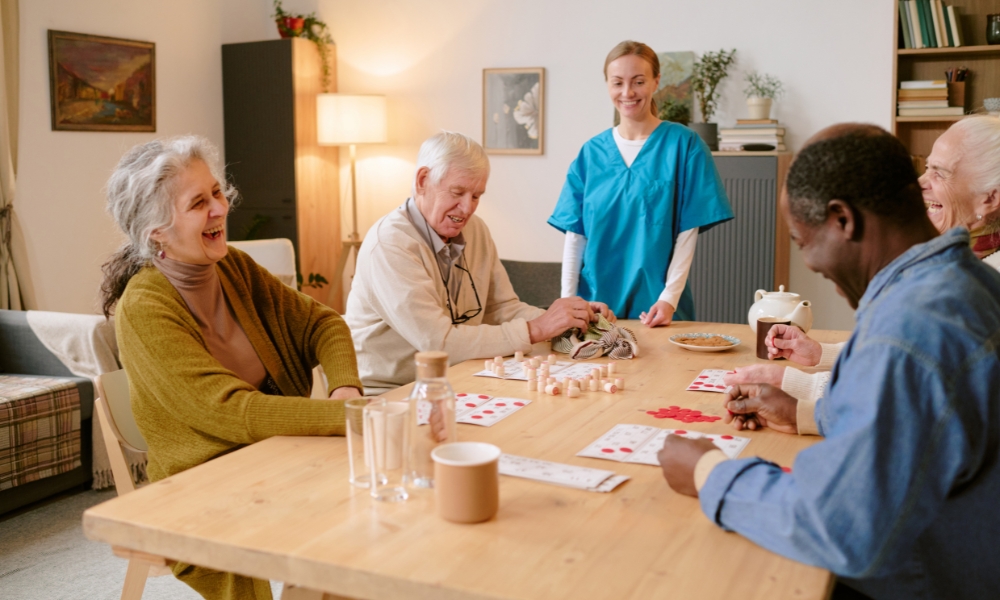
Senior Home Health Care in Houston, Sugar Land, Katy, and Surrounding Areas
Families searching for dependable elderly care often want a provider that combines professional expertise with compassionate support.
Icon Home Health proudly serves seniors throughout Houston and surrounding communities with personalized, Medicare-certified home health services.
Our goal is to help older adults maintain independence while receiving the medical support they need in the comfort of home.
Services may include:
- Skilled nursing care
- Physical therapy
- Occupational therapy
- Speech therapy
- Disease management programs
- Patient education
- Care coordination with physicians
We proudly serve patients in:
- Houston
- Sugar Land
- Katy
- Richmond
- Missouri City
- Cypress
- Fresno
- Manvel
- Alvin
- Nearby communities
Learn more about how to get home health care and whether services may be appropriate for your situation.
Why Families Trust Icon Home Health
At Icon Home Health, we understand that quality care involves more than medical treatment alone.
Our team is committed to supporting seniors and families through compassionate, patient-centered care that respects dignity, independence, and personal preferences.
We work closely with physicians, caregivers, and patients to create individualized care plans designed around each person’s unique needs.
Whether someone is recovering after hospitalization, managing a chronic condition, or working to improve mobility and independence, our healthcare professionals provide personalized support every step of the way.
By bringing healthcare directly into the home, we help seniors remain connected to their families, routines, and communities while receiving high-quality medical care.
Frequently Asked Questions About Senior Home Health Care
What is senior home health care?
Senior home health care provides professional medical services in a patient’s home, including skilled nursing, therapy services, disease management, and health monitoring.
How does home health care improve quality of life?
Home health care supports independence, improves safety, helps manage medical conditions, assists with recovery, and allows seniors to remain in familiar surroundings.
What does aging in place mean?
Aging in place refers to the ability to live safely and independently in one’s own home while receiving the support needed to maintain health and quality of life.
Can home health care help prevent hospital readmissions?
Home health services may help reduce avoidable hospital readmissions by providing monitoring, education, medication support, and follow-up care after hospitalization.
Who qualifies for home health care?
Eligibility depends on medical needs, physician recommendations, and other factors. Many patients recovering from illness, surgery, or managing chronic conditions may qualify.
Does Medicare cover home health care?
Medicare may cover certain home health services when eligibility requirements are met. Coverage depends on individual circumstances and physician involvement.
Can seniors receive physical therapy at home?
Yes. Home-based physical therapy can help seniors improve strength, mobility, balance, and overall function while recovering in a familiar environment.
How does skilled nursing help elderly patients?
Skilled nurses help monitor health conditions, educate patients, manage medications, and communicate important health changes to physicians.
How does home health care help family caregivers?
Home health professionals provide medical expertise, education, and support, helping caregivers manage responsibilities more confidently and effectively.
When should families consider home health services?
Families may consider home health care after hospitalization, surgery, illness, mobility changes, chronic disease diagnosis, or when additional medical support is needed at home.
Final Thoughts: Better Health, Greater Independence, and Improved Quality of Life
Growing older does not mean giving up independence or sacrificing quality of life.
With the right support, many seniors can continue living safely, comfortably, and confidently in their own homes.
Senior home health care provides far more than medical treatment. It supports physical health, emotional well-being, recovery, independence, and meaningful daily living.
Whether helping a patient regain strength after surgery, manage a chronic condition, reduce fall risks, or remain active in the community, home health services play an important role in promoting healthier aging.
For families throughout Houston and surrounding communities, Icon Home Health is committed to delivering compassionate care that helps seniors thrive where they feel most comfortable—at home.
Medical Disclaimer
This article is intended for informational purposes only and should not be considered medical advice. Every patient has unique healthcare needs. Always consult a qualified healthcare professional regarding diagnosis, treatment, and recommendations for home health services.
Contact Icon Home Health Today
If you or a loved one could benefit from professional home health services, Icon Home Health is here to help.
Our experienced team provides skilled nursing, therapy services, chronic disease management, and personalized care plans designed to support independence and quality of life.
Contact Icon Home Health today to learn how our senior home health care services can help you or your loved one remain safe, healthy, and independent at home.