Medical emergency? Call 911. Call 911 right away for chest pain or pressure, severe or sudden shortness of breath, breathing trouble that does not ease with rest or sitting up, fainting, or coughing up pink, foamy mucus. Do not use our contact form for emergencies.
Waking up in the middle of the night gasping for air is alarming. For some people, this happens regularly — and it’s not just a bad dream or a stuffy room. It could be a medical condition called paroxysmal nocturnal dyspnea.
Understanding what this condition is, why it happens, and what causes it can help families take the right steps to protect their loved ones. If someone you care for is waking up breathless at night, this guide is a helpful place to start.
Related: Orthopnea and Heart Failure: Correlations & More
What Paroxysmal Nocturnal Dyspnea Actually Means
Paroxysmal nocturnal dyspnea is a condition where a person suddenly wakes up at night feeling severely short of breath. The word “paroxysmal” means a sudden attack or episode. “Nocturnal” means it happens at night. “Dyspnea” is the medical term for difficulty breathing.
Put together, paroxysmal nocturnal dyspnea describes a sudden, intense episode of breathlessness that wakes someone from sleep. It is more than just mild discomfort — it often causes significant distress and a feeling that the person cannot get enough air.
Breaking Down the Medical Term
Each part of the term gives you a clue about what the condition involves. “Paroxysmal” tells you it comes on suddenly, without much warning. “Nocturnal” tells you it is tied to lying down and sleeping, not daytime activity.
“Dyspnea” refers to a genuine difficulty breathing that can be frightening. When these three elements combine, the result is an episode that typically jolts a person awake and may leave them standing or sitting upright for relief.
How It Differs from Ordinary Shortness of Breath
Everyday shortness of breath might happen after exercise or during a respiratory illness. Paroxysmal nocturnal dyspnea is different because it strikes during sleep, when the body should be at rest.
A person is not exerting themselves — they are lying still. The episode wakes them abruptly, often with a sense of panic or suffocation. This pattern of nighttime-only, sudden-onset breathlessness is what sets it apart from general breathing difficulties.
Orthopnea vs. Paroxysmal Nocturnal Dyspnea
These two conditions are related but not the same. Orthopnea is breathlessness that occurs when lying flat, which can be relieved by propping up with pillows. Paroxysmal nocturnal dyspnea goes further — the person is already asleep when the episode begins, and it wakes them suddenly.
Orthopnea vs. paroxysmal nocturnal dyspnea is a common point of confusion. Both involve trouble breathing in a horizontal position, and both are often linked to heart failure. However, paroxysmal nocturnal dyspnea tends to be more acute and more disruptive to sleep. Both conditions deserve prompt medical attention.
Why Paroxysmal Nocturnal Dyspnea Happens at Night
It may seem strange that breathing problems would get worse during sleep. But there are specific physical reasons why lying down triggers these episodes, particularly in people with underlying heart or lung conditions.
How Lying Down Shifts Fluid in the Body
When a person stands or sits, gravity helps keep excess fluid in the lower parts of the body — mainly the legs and feet. When they lie down, that fluid redistributes. It moves upward toward the chest and lungs.
In someone with a healthy heart, this shift is handled without issue. But in someone whose heart is already struggling, the extra fluid in the lungs can cause congestion that makes breathing difficult. This is one of the primary reasons nocturnal dyspnea occurs during sleep rather than during the day.
The Role of the Heart in Nighttime Breathing Episodes
The heart pumps blood through the lungs to pick up oxygen. When the heart is weakened, it cannot move blood efficiently. Fluid backs up into the lungs, a condition called pulmonary edema, which makes it harder to breathe.
At night, the combination of lying flat and reduced activity can allow this fluid buildup to worsen. The result is a sudden sense of suffocation that forces the person awake. Sitting up or standing often provides quick relief because it helps shift fluid back away from the lungs.
Why Symptoms Often Peak 1–3 Hours After Falling Asleep
Paroxysmal nocturnal dyspnea episodes do not usually happen the moment someone lies down. They tend to occur one to three hours into sleep, once the body has had time to redistribute fluids fully.
This timing is an important clue for physicians trying to distinguish paroxysmal dyspnea from other breathing conditions. If a family member consistently wakes up struggling to breathe about one to two hours after falling asleep, that pattern is worth documenting and reporting to a doctor right away.
What Causes Paroxysmal Nocturnal Dyspnea
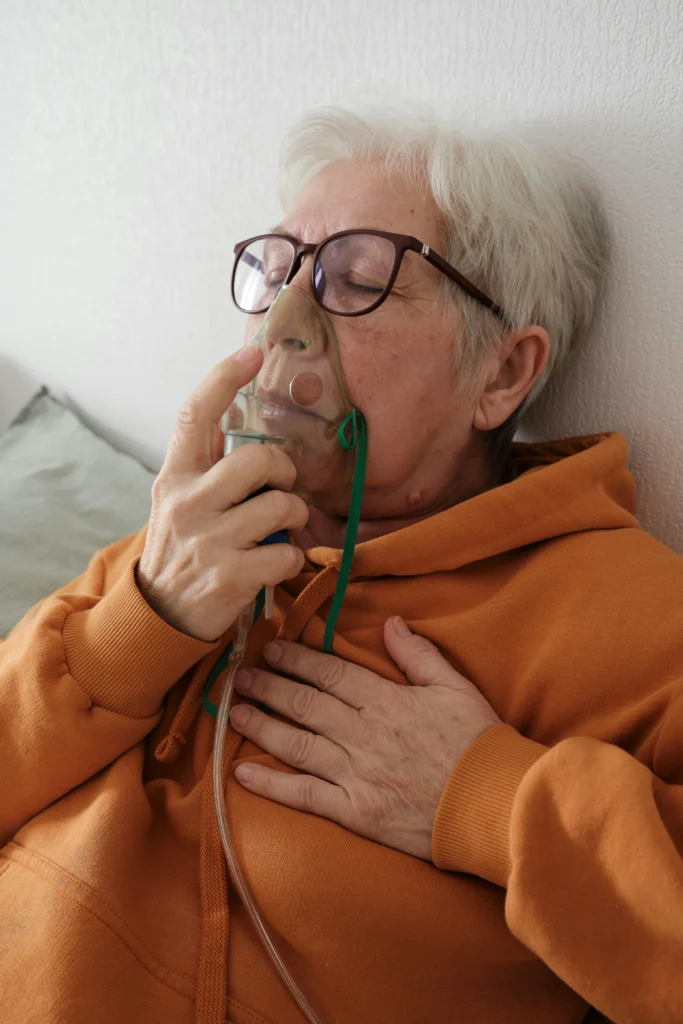
Paroxysmal nocturnal dyspnea is a symptom, not a standalone diagnosis. It is usually a sign that something else is going on in the body — often involving the heart or lungs. Understanding the causes of nocturnal dyspnea can help families advocate more effectively for their loved one’s care.
Congestive Heart Failure and Fluid Buildup
The most common cause of paroxysmal nocturnal dyspnea is congestive heart failure. In this condition, the heart does not pump blood as effectively as it should, leading to fluid accumulation in the lungs and surrounding tissues.
Congestive heart failure symptoms often include swollen ankles, persistent fatigue, and shortness of breath — especially when lying down. When these symptoms appear alongside nighttime breathing episodes, congestive heart failure is often the underlying cause.
Chronic Lung Conditions Like COPD
Lung diseases can also lead to paroxysmal nocturnal dyspnea. Chronic obstructive pulmonary disease (COPD) limits airflow and makes it harder for the lungs to function properly, especially when lying flat.
Other lung conditions such as asthma or pulmonary fibrosis may also contribute to nighttime breathing episodes. When the airways are already compromised, the fluid shifts that happen during sleep can push the lungs past their capacity, triggering an episode.
Other Medical Conditions That Can Trigger Episodes
Beyond heart failure and lung disease, other conditions can contribute to paroxysmal nocturnal dyspnea. These include sleep apnea, obesity, kidney disease, and severe anemia.
In some cases, multiple conditions are present at once, which can make diagnosis more complex. That is why a thorough medical evaluation is essential when someone experiences repeated nighttime breathing episodes. No single cause should be assumed without proper testing.
What Paroxysmal Nocturnal Dyspnea Feels Like
For families who have not witnessed an episode, understanding what it feels like can help them respond calmly and quickly. For those caring for elderly parents or spouses, knowing the signs can be the difference between timely treatment and a preventable emergency.
Common Physical Symptoms During an Episode
During a paroxysmal nocturnal dyspnea episode, the person typically wakes up suddenly with intense shortness of breath. They may feel like they are choking or suffocating. They often need to sit up or get out of bed to breathe more comfortably.
Other physical symptoms can include wheezing, coughing, and a rapid heartbeat. Some people feel a tightness in the chest. The episode may last anywhere from a few minutes to half an hour before the person feels well enough to return to sleep — if they can at all.
Heart Failure Symptoms That Often Appear Alongside It
In people with heart failure, paroxysmal nocturnal dyspnea rarely appears on its own. It is usually accompanied by other heart failure symptoms that may have been building for some time.
These can include swelling in the legs or ankles, unexplained weight gain from fluid retention, persistent fatigue, and a reduced ability to exercise or stay active. Noticing a cluster of these symptoms together — especially in an older adult — is a strong signal to seek medical evaluation promptly.
When Symptoms Signal a Medical Emergency
Not every episode of paroxysmal nocturnal dyspnea requires a 911 call, but some do. Seek emergency care immediately if the person has severe chest pain, lips or fingertips that appear blue or grayish, confusion, or extreme difficulty breathing that does not improve after sitting upright for several minutes.
How Paroxysmal Nocturnal Dyspnea Is Diagnosed and Treated
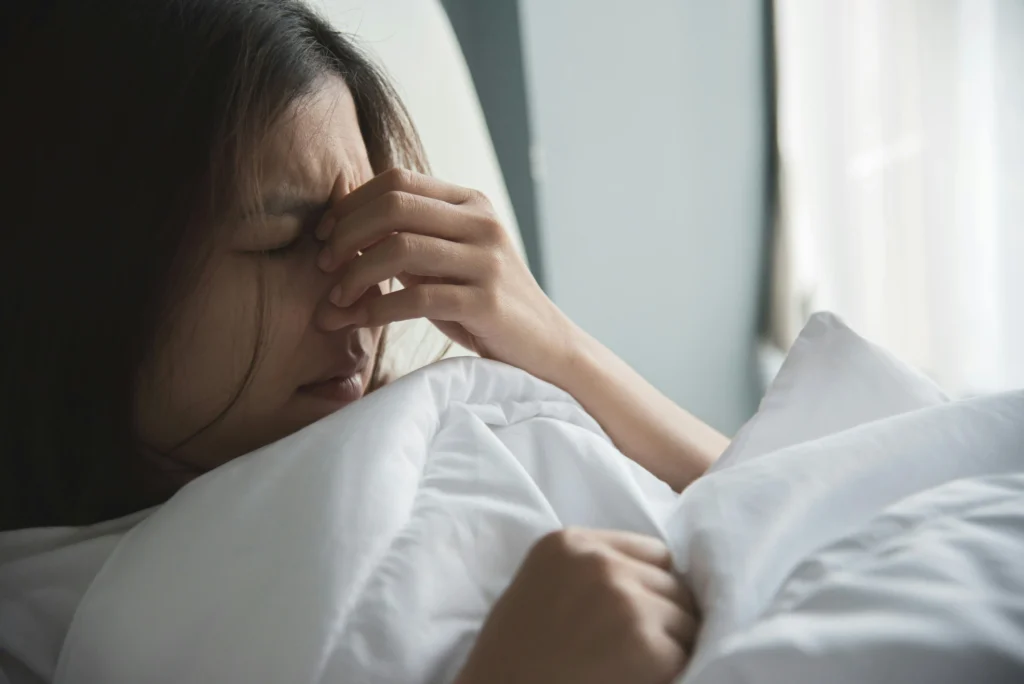
A diagnosis of paroxysmal nocturnal dyspnea starts with identifying the underlying cause. Because it is a symptom of something else, treatment focuses on the condition driving it — most often heart failure or a chronic lung condition.
What to Expect at a Medical Evaluation
A doctor will begin by taking a detailed medical history and asking about the frequency, timing, and nature of the episodes. They will likely order a chest X-ray, blood tests, and an echocardiogram to assess heart function.
Other tests such as a pulmonary function test or sleep study may also be recommended depending on the suspected cause. Keeping a log of when episodes occur, how long they last, and what provides relief will be very helpful information to bring to the appointment.
Common Treatment Approaches for the Underlying Cause
If heart failure is the cause, treatment often includes medications such as diuretics to reduce fluid buildup, ACE inhibitors to ease the heart’s workload, and beta-blockers to improve heart function over time. Dietary changes — particularly reducing sodium intake — are also a key part of managing fluid levels.
For lung-related causes, bronchodilators, inhaled steroids, or supplemental oxygen may be prescribed. In all cases, close follow-up with a physician is essential to monitor progress and adjust the treatment plan as needed.
Lifestyle Adjustments That Can Reduce Nighttime Episodes
In addition to medical treatment, certain daily habits can help reduce the frequency and severity of paroxysmal nocturnal dyspnea episodes. Elevating the head of the bed or sleeping with extra pillows can help keep fluid from pooling in the lungs.
Limiting fluid intake in the evening, avoiding salty foods, and monitoring daily weight for sudden increases are all practical steps that support better symptom control. A home health nurse can help patients and families stay on top of these management strategies in a consistent, supportive way.
Reach Out to Icon Home Health for Heart and Breathing Support at Home
Managing paroxysmal nocturnal dyspnea can feel overwhelming — especially when it disrupts sleep night after night and raises concerns about a loved one’s heart or lung health. You do not have to figure it out alone.
At Icon Home Health, our skilled nursing team works with patients recovering from heart-related hospitalizations, managing chronic conditions, and adjusting to new treatment plans — all from the comfort of home. We monitor symptoms, coordinate care with physicians, and help prevent the kind of complications that lead to hospital readmissions.
If your loved one is experiencing nighttime shortness of breath, swelling, fatigue, or other signs of heart failure, we are here to help. Reach out to our contact us page today to learn how Icon Home Health can provide the skilled, compassionate care your family deserves.